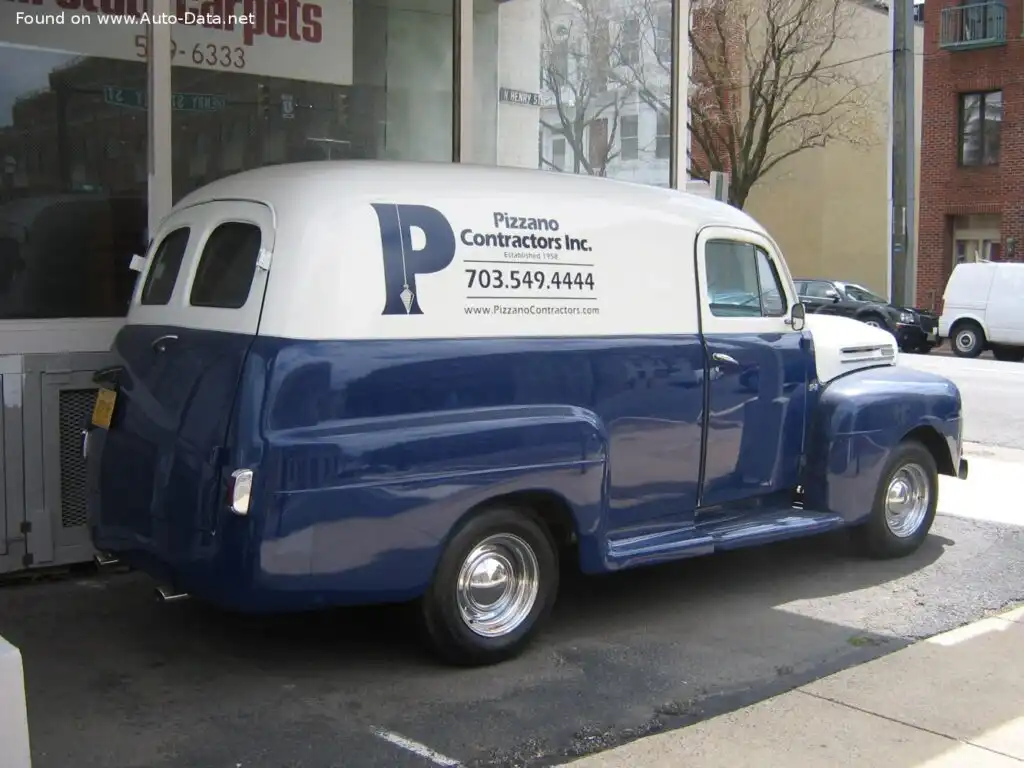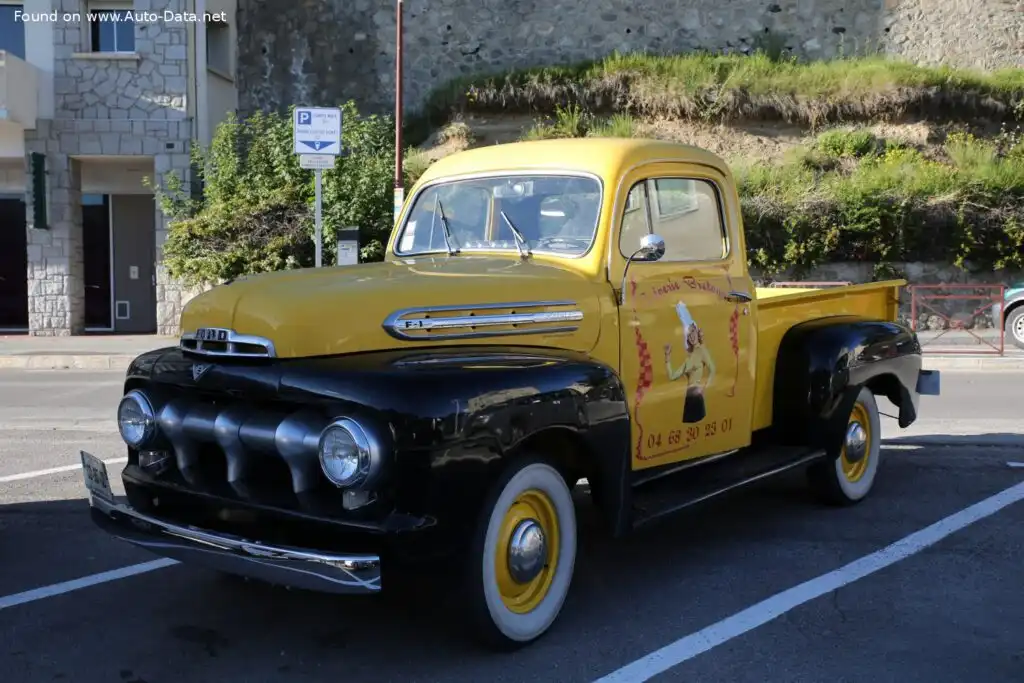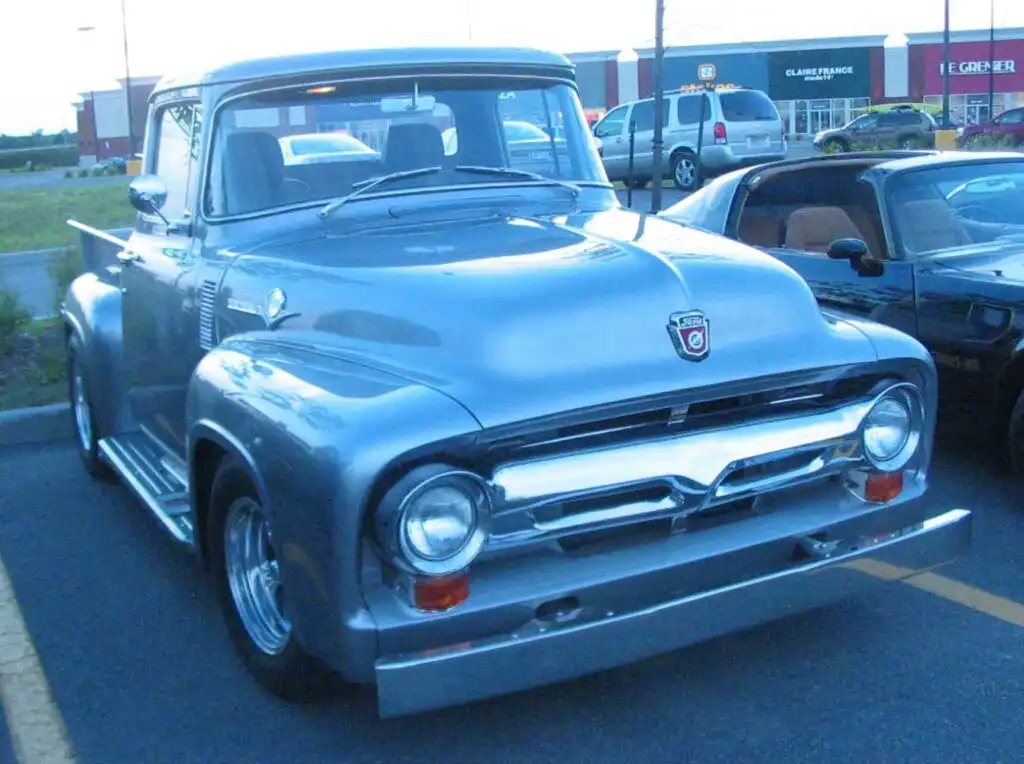
The Ford F-Series F-250 VII Regular Cab HD, equipped with the 5.8-liter V8 engine producing 150 horsepower and paired with an automatic transmission, represents a workhorse configuration within the seventh generation of Ford’s immensely popular F-Series trucks. Produced from 1983 to 1985, this variant occupied a crucial position in the lineup, offering a balance between capability and affordability for buyers needing a heavy-duty pickup. It was part of a generation (1980-1986) that saw significant refinements to the F-Series, solidifying its dominance in the North American truck market.
Technical Specifications
| Brand | Ford |
| Model | F-Series F-250 |
| Generation | F-Series F-250 VII Regular Cab HD |
| Type (Engine) | 5.8 V8 (150 Hp) Automatic |
| Start of production | 1983 |
| End of production | 1985 |
| Powertrain Architecture | Internal Combustion engine |
| Body type | Pick-up |
| Seats | 2-3 |
| Doors | 2 |
| Fuel Type | Petrol (Gasoline) |
| Power | 150 Hp |
| Power per litre | 26.1 Hp/l |
| Torque | 380 Nm / 280.27 lb.-ft. |
| Engine layout | Front, Longitudinal |
| Engine displacement | 5752 cm3 / 351.01 cu. in. |
| Number of cylinders | 8 |
| Engine configuration | V-engine |
| Fuel injection system | Multi-port manifold injection |
| Engine aspiration | Naturally aspirated engine |
| Max. weight | 3901 kg / 8600.23 lbs. |
| Fuel tank capacity | 72-144 l / 19.02 – 38.04 US gal | 15.84 – 31.68 UK gal |
| Length | 5291 mm / 208.31 in. |
| Width | 1778 mm / 70 in. |
| Height | 1864 mm / 73.39 in. |
| Wheelbase | 3378 mm / 132.99 in. |
| Wading depth | 803 mm / 31.61 in. |
| Drivetrain Architecture | The Internal combustion engine (ICE) drives the rear wheels of the vehicle. |
| Drive wheel | Rear wheel drive |
| Number of gears and type of gearbox | automatic transmission SelectShift |
| Front suspension | Independent coil spring |
| Front brakes | Disc |
| Rear brakes | Drum |
| Power steering | Electric Steering |
| Tires size | 235/85 R16 |
| Wheel rims size | 6J x 16 |
Powertrain & Engine Architecture
The heart of this F-250 variant is Ford’s 5.8-liter (351 cubic inch) Windsor V8 engine. This engine, a staple of Ford trucks for many years, utilized a cast iron block and cylinder heads. The 150 horsepower output was achieved through a two-barrel carburetor and a relatively conservative compression ratio. The multi-port fuel injection system, while a step forward for the era, wasn’t as sophisticated as later systems, relying on mechanical fuel delivery. The engine’s valvetrain employed a traditional pushrod design, contributing to its simplicity and ease of maintenance. The “SelectShift” automatic transmission was a three-speed unit, designed for durability and ease of use rather than outright performance. It featured a torque converter that multiplied engine torque, particularly useful for hauling and towing.
Driving Characteristics
The 150 hp, 5.8L V8 and automatic transmission combination in the F-250 delivered adequate, but not exhilarating, performance. Acceleration was modest, and the truck wasn’t designed for quick speeds. The automatic transmission’s gear ratios were optimized for towing and hauling, meaning the engine often operated at higher RPMs during normal driving. Compared to the available manual transmission options, the automatic resulted in a slight decrease in fuel economy and a less direct connection to the engine. Higher trim levels, offering larger engines like the 6.9L diesel or the 302 cubic inch gasoline V8, provided significantly more power and towing capacity. However, those options came at a higher price point. The F-250 with the 5.8L V8 and automatic was geared towards buyers who prioritized affordability and reliability over outright performance.
Equipment & Trim Levels
The F-250 Regular Cab HD with the 5.8L V8 and automatic typically represented an entry-level or mid-range offering within the F-250 lineup. Standard features included a basic vinyl interior, a simple dashboard layout with essential gauges, and manual windows and locks. The bench seat was standard, accommodating up to three passengers. Optional extras included air conditioning, an upgraded AM/FM radio, and a sliding rear window. Higher trim levels, such as the XLT or Lariat, offered more luxurious interiors with cloth or leather upholstery, additional chrome trim, and more advanced features. The Regular Cab configuration meant a single row of seating and a focus on practicality rather than passenger comfort.
Chassis & Braking
The F-250’s chassis was built for heavy-duty work. It featured a robust ladder frame construction and a solid rear axle. The front suspension utilized independent coil springs, providing a reasonably comfortable ride for a heavy-duty truck. Braking duties were handled by disc brakes on the front axle and drum brakes on the rear. Power steering was standard, making maneuvering the large truck easier. The 235/85 R16 tires were chosen for their durability and load-carrying capacity. The rear drum brakes, while adequate for the truck’s weight, were less effective than disc brakes, particularly in emergency stopping situations. Stabilizer bars were typically not standard on this base configuration, contributing to a slightly more pronounced body roll during cornering.
Market Reception & Comparison
The F-250 with the 5.8L V8 and automatic transmission was generally well-received by buyers who needed a capable and affordable heavy-duty truck. Critics noted its solid construction and reliable powertrain, but also pointed out its lack of refinement and modest performance. Compared to the diesel-powered F-250s, the 5.8L V8 offered significantly less torque, making it less suitable for demanding towing applications. However, it was considerably cheaper to purchase and maintain. Fuel economy was typical for a truck of its size and era, averaging around 12-15 mpg in real-world driving. The combination of the V8 and automatic transmission was seen as a good compromise for buyers who didn’t require the ultimate in towing capacity but still needed a truck that could handle substantial loads.
Legacy
The 5.8L Windsor V8 and the three-speed automatic transmission proved to be remarkably durable powertrains. Many examples of these trucks are still on the road today, a testament to their robust design and relatively simple mechanics. While not known for being particularly fuel-efficient or high-performing by modern standards, these trucks remain popular among enthusiasts and those seeking a reliable and affordable work truck. Parts availability is generally good, and the engine is relatively easy to repair. In the used car market, these F-250s are often sought after for their classic styling and rugged dependability, representing a bygone era of American truck manufacturing. They are often found in use on farms, ranches, and as general-purpose work vehicles, continuing to serve a practical purpose decades after their initial production.