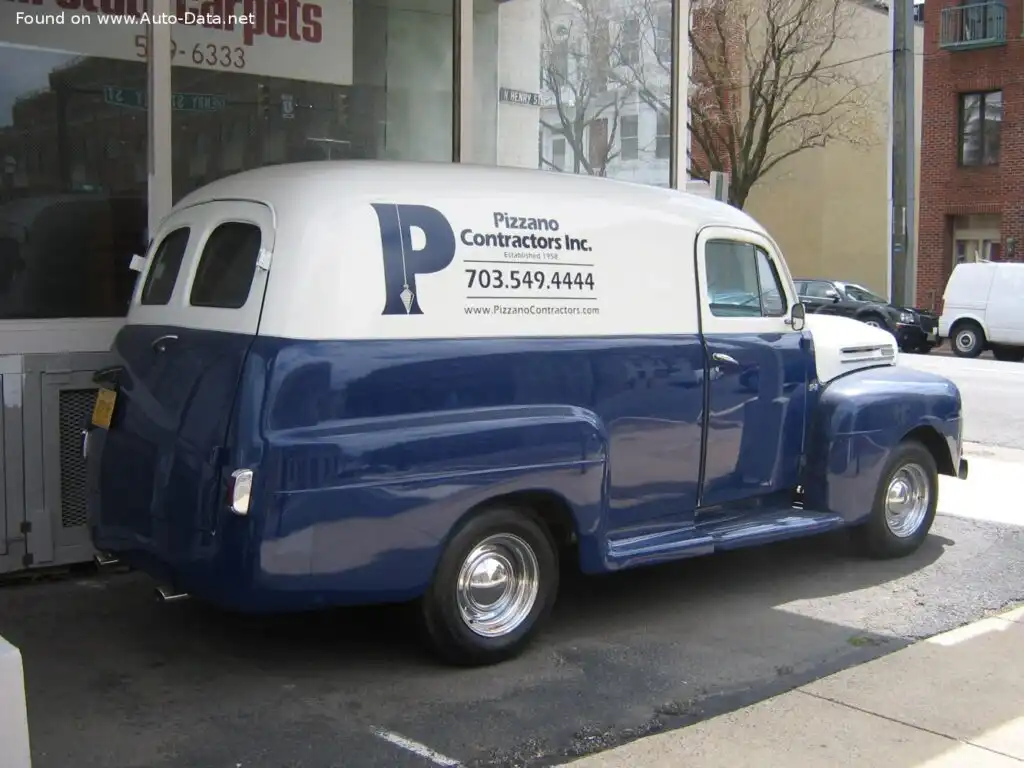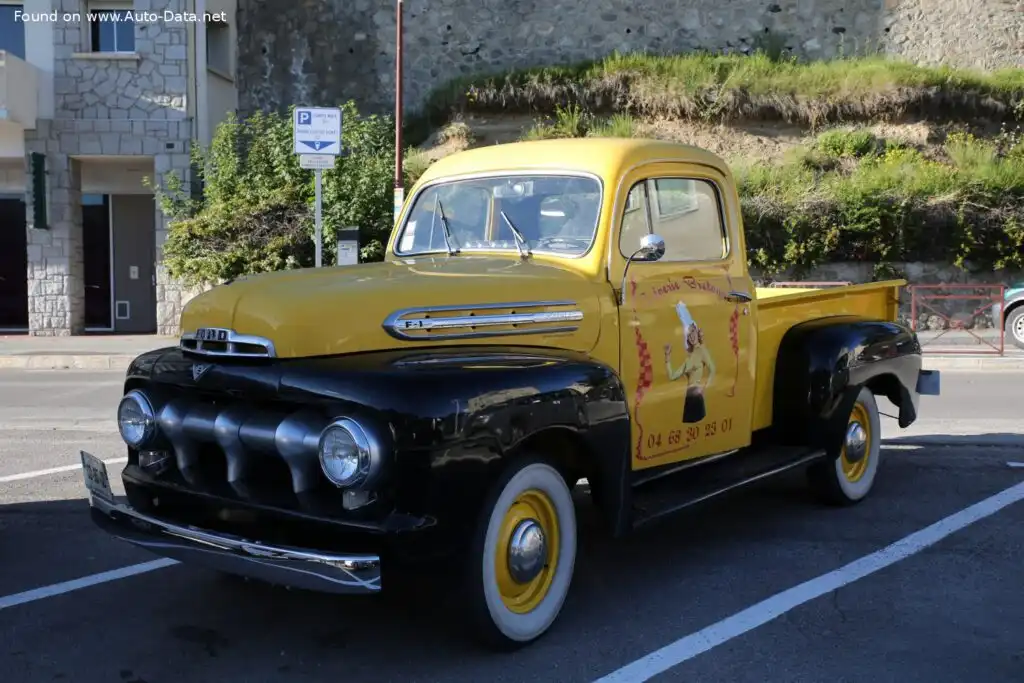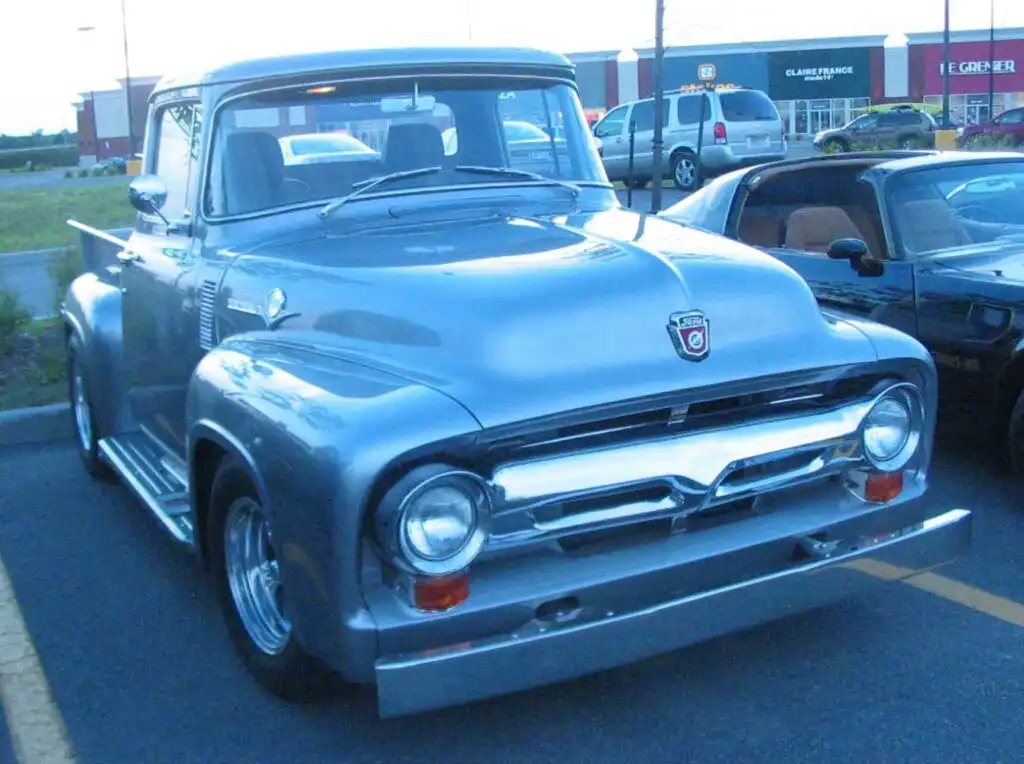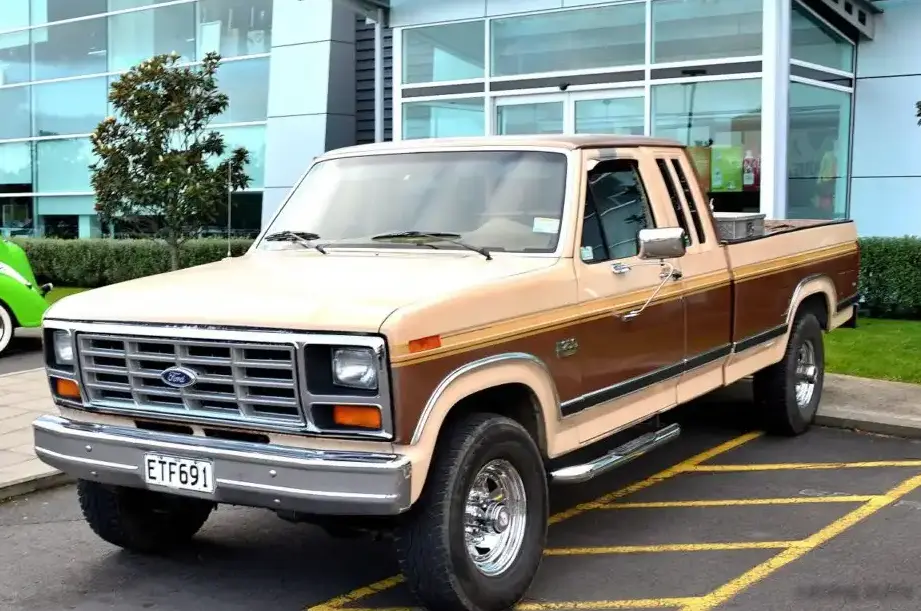
The Ford F-Series F-250 VII SuperCab, equipped with the 4.9-liter inline-six engine producing 117 horsepower, represented a work-focused configuration within the seventh generation of Ford’s immensely popular F-Series pickup trucks. Produced from 1979 through 1981, this variant occupied a crucial position in the lineup, offering a balance between affordability, capability, and the added passenger space of the SuperCab body style. It was designed for buyers who needed a robust truck for hauling and light towing, but also required occasional seating for more than two occupants. This model bridged the gap between the lighter-duty F-150 and the heavier-duty F-350, catering to a broad spectrum of users from farmers and ranchers to tradesmen and families.
Technical Specifications
| Brand | Ford |
| Model | F-Series F-250 |
| Generation | F-Series F-250 VII SuperCab |
| Type (Engine) | 4.9 Six (117 Hp) |
| Start of production | September, 1979 |
| End of production | 1981 |
| Powertrain Architecture | Internal Combustion engine |
| Body type | Pick-up |
| Seats | 5-6 |
| Doors | 2 |
| Fuel Type | Petrol (Gasoline) |
| Power | 117 Hp |
| Power per litre | 23.8 Hp/l |
| Torque | 308 Nm / 227.17 lb.-ft. |
| Engine layout | Front, Longitudinal |
| Engine displacement | 4916 cm3 / 299.99 cu. in. |
| Number of cylinders | 6 |
| Engine configuration | Inline |
| Fuel injection system | Carburettor |
| Engine aspiration | Naturally aspirated engine |
| Max. weight | 3629 kg / 8000.58 lbs. |
| Fuel tank capacity | 62-72 l / 16.38 – 19.02 US gal | 13.64 – 15.84 UK gal |
| Length | 5438-5849 mm / 214.09 – 230.28 in. |
| Width | 1778 mm / 70 in. |
| Height | 1836-1839 mm / 72.28 – 72.4 in. |
| Wheelbase | 3526-3937 mm / 138.82 – 155 in. |
| Wading depth | 785 mm / 30.91 in. |
| Drivetrain Architecture | The Internal combustion engine (ICE) drives the rear wheels of the vehicle. |
| Drive wheel | Rear wheel drive |
| Number of gears and type of gearbox | 3 gears, manual transmission |
| Front suspension | Independent coil spring |
| Front brakes | Disc |
| Rear brakes | Drum |
| Power steering | Electric Steering |
| Tires size | 215/85 R16.5 |
| Wheel rims size | 6J x 16.5 |
Powertrain & Engine Architecture
The heart of this F-250 variant was the 4.9-liter (299 cubic inch) inline-six cylinder engine, often referred to as the “300 Six” despite its actual displacement. This engine, designated internally as the 300 I6, was a long-stroke design known for its durability and low-end torque. It utilized a cast iron block and cylinder head, contributing to its robust nature. Fuel delivery was managed by a two-barrel carburetor, a common setup for the era. The engine featured a simple overhead valve (OHV) valvetrain with a single camshaft. The 117 horsepower output, while modest by modern standards, was considered adequate for the truck’s intended purpose. The standard transmission was a three-speed manual, designed to maximize the engine’s torque for hauling and towing. While an automatic transmission was available as an option, the three-speed manual was the most common pairing with this engine.
Driving Characteristics
The 4.9-liter engine and three-speed manual transmission combination delivered a driving experience focused on utility rather than performance. Acceleration was leisurely, and the truck was not designed for quick speeds. However, the engine’s strong low-end torque provided sufficient power for hauling moderate loads and navigating challenging terrain. The manual transmission allowed for precise control, particularly when towing or driving in slippery conditions. The gear ratios were optimized for work, with a relatively low first gear for starting heavy loads and a higher final drive ratio for fuel efficiency on the highway. Compared to the optional V8 engines, the 4.9-liter six offered less horsepower and acceleration, but it also provided better fuel economy and a simpler, more reliable powertrain.
Equipment & Trim Levels
The F-250 SuperCab with the 4.9-liter engine typically fell into the entry-level or mid-range trim categories. Standard features included a basic vinyl interior, a simple dashboard layout, and manual windows and locks. The SuperCab configuration added a second row of seating, increasing passenger capacity. Optional extras included upgraded interior trim, air conditioning, a radio, and heavier-duty suspension components. The exterior typically featured minimal chrome trim, reflecting its work-oriented nature. The focus was on providing a functional and durable truck rather than luxurious amenities.
Chassis & Braking
The F-250 chassis was a traditional body-on-frame construction, providing a robust and durable platform. The front suspension utilized independent coil springs, offering a relatively comfortable ride for a heavy-duty truck. The rear suspension employed leaf springs, designed to handle heavy loads. Braking duties were handled by disc brakes on the front axle and drum brakes on the rear. Power steering was standard, making the truck easier to maneuver, especially at low speeds. The tires, typically 215/85R16.5, were chosen for their durability and load-carrying capacity.
Market Reception & Comparison
The F-250 with the 4.9-liter engine was generally well-received by buyers seeking a capable and affordable work truck. Critics praised its durability and fuel efficiency, particularly compared to the V8 options. However, its lack of power was often noted, especially when towing heavy loads or driving in hilly terrain. Compared to the F-150, the F-250 offered increased payload and towing capacity. Compared to the F-350, it provided a slightly lighter-duty option with a lower price point. The 4.9-liter engine’s simplicity also translated to lower maintenance costs, making it an attractive option for budget-conscious buyers.
Legacy
The 4.9-liter inline-six engine gained a reputation for exceptional longevity and reliability. Many examples of this engine are still in service today, often with hundreds of thousands of miles on the odometer. Its simple design and robust construction contributed to its durability. In the used car market, F-250s equipped with this engine are often sought after by those looking for a dependable and affordable work truck. While not a performance powerhouse, the 4.9-liter six remains a testament to Ford’s commitment to building durable and practical vehicles. The engine’s continued presence in the used market speaks to its enduring appeal and its ability to withstand the test of time. It’s a reminder of a simpler era in truck design, where reliability and functionality were prioritized over flashy features and high horsepower numbers.