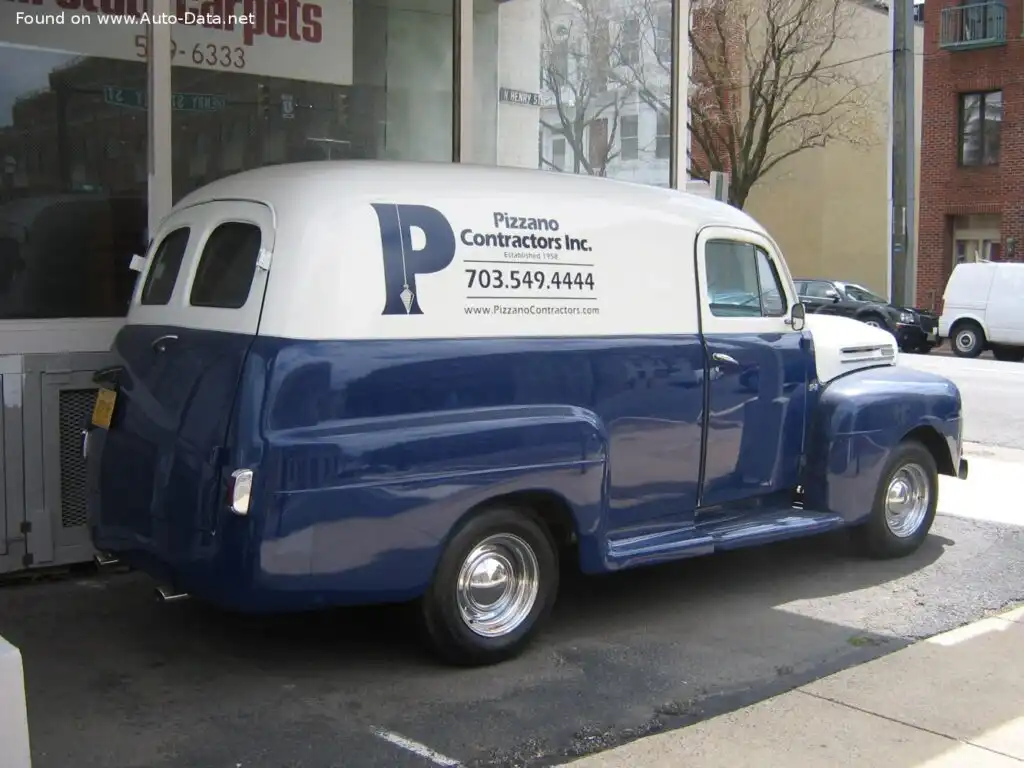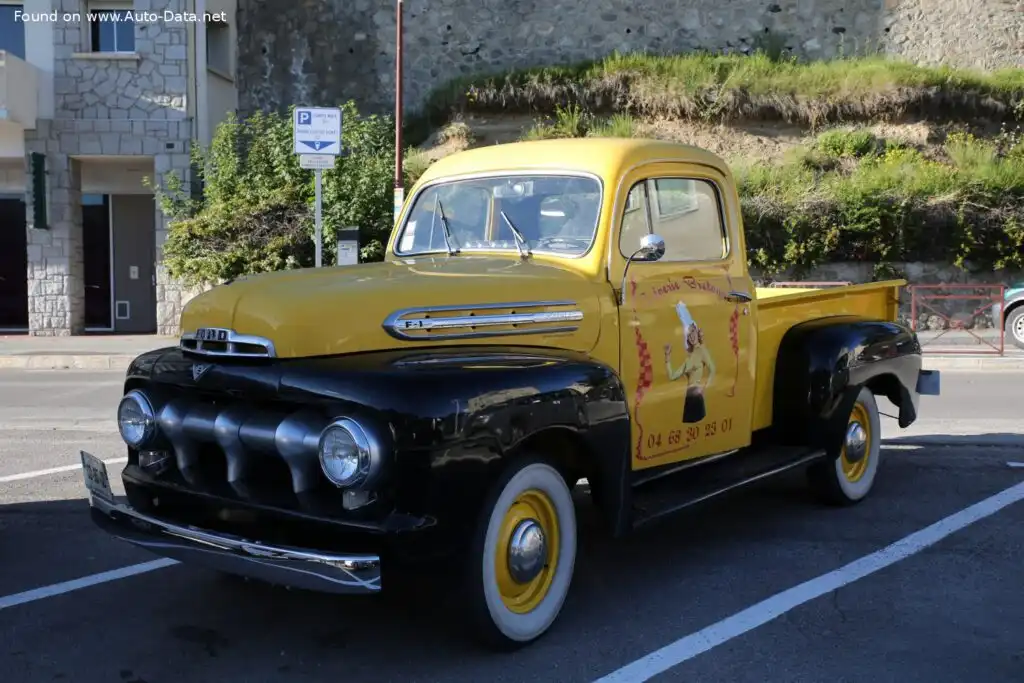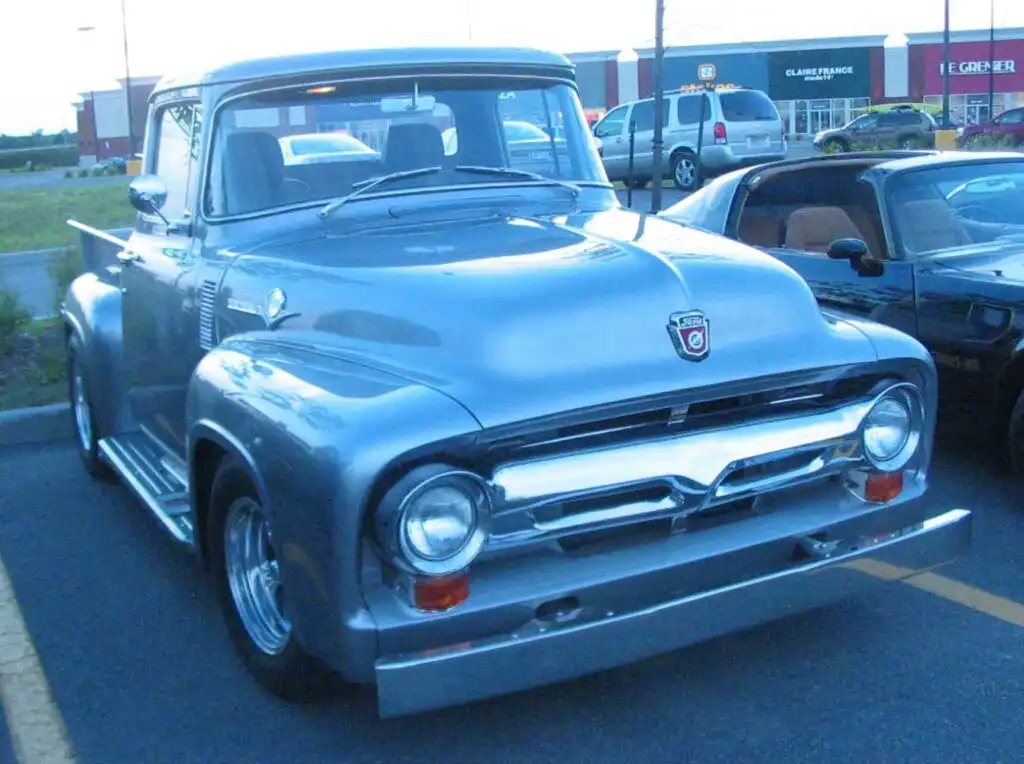
The Ford F-Series F-250 VIII Regular Cab HD, equipped with the 7.5L 460 cubic inch V8 engine and a four-speed automatic transmission, represents a significant iteration of Ford’s long-running and immensely popular F-Series pickup truck line. Produced from 1988 through 1991, this particular configuration occupied a middle ground within the F-250 range, offering a balance between capability and affordability for buyers needing more than the F-150 could provide, but not requiring the ultimate towing capacity of the heavier F-350. This generation (VIII) marked a continuation of the “brick nose” styling introduced in 1987, and was a workhorse for many American consumers, particularly in rural areas and industries like agriculture, construction, and ranching.
Technical Specifications
| Brand | Ford |
| Model | F-Series F-250 |
| Generation | F-Series F-250 VIII Regular Cab HD |
| Type (Engine) | 7.5L 460 V8 (230 Hp) Automatic |
| Start of production | 1988 |
| End of production | 1991 |
| Powertrain Architecture | Internal Combustion engine |
| Body type | Pick-up |
| Seats | 3 |
| Doors | 2 |
| Fuel Type | Petrol (Gasoline) |
| Power | 230 Hp @ 3600 rpm |
| Power per litre | 30.5 Hp/l |
| Torque | 529 Nm @ 2200 rpm / 390.17 lb.-ft. @ 2200 rpm |
| Engine layout | Front, Longitudinal |
| Engine displacement | 7538 cm3 / 460 cu. in. |
| Number of cylinders | 8 |
| Engine configuration | V-engine |
| Piston Stroke | 97.79 mm / 3.85 in. |
| Compression ratio | 8.5:1 |
| Fuel injection system | Multi-port manifold injection |
| Engine aspiration | Naturally aspirated engine |
| Max. weight | 3901 kg / 8600.23 lbs. |
| Fuel tank capacity | 69 l / 18.23 US gal | 15.18 UK gal |
| Length | 5339 mm / 210.2 in. |
| Width | 1778 mm / 70 in. |
| Height | 1890 mm / 74.41 in. |
| Wheelbase | 3378 mm / 132.99 in. |
| Wading depth | 874 mm / 34.41 in. |
| Drivetrain Architecture | Rear wheel drive. Internal Combustion engine (ICE) drives the rear wheels. |
| Drive wheel | Rear wheel drive |
| Number of gears and type of gearbox | 4 gears, automatic transmission |
| Front suspension | Independent coil spring |
| Rear suspension | Leaf spring |
| Front brakes | Disc |
| Rear brakes | Drum |
| Power steering | Electric Steering |
| Tires size | 235/85 R16 |
| Wheel rims size | 16 |
Powertrain & Engine Architecture
The heart of this F-250 variant is Ford’s 7.5-liter (460 cubic inch) 385-series V8 engine. This engine, a mainstay of Ford trucks for decades, is a robust and relatively simple design. The 460 featured a cast iron block and cylinder heads, and utilized a multi-port fuel injection system for improved efficiency and power delivery compared to earlier carbureted versions. The engine produced 230 horsepower at 3600 rpm and 390 lb-ft of torque at 2200 rpm. The automatic transmission was a Ford C6 three-speed automatic, known for its durability and ability to handle high torque loads. While not the most technologically advanced transmission, it was well-suited to the demands of heavy-duty truck use. The engine’s longitudinal front-engine layout and rear-wheel-drive configuration were standard for the F-Series at the time.
Driving Characteristics
The F-250 with the 460 V8 and automatic transmission offered a comfortable, if not particularly sporty, driving experience. The automatic transmission provided smooth shifts, but the relatively low gear ratios meant acceleration was not as brisk as with the available manual transmissions. The truck excelled at towing and hauling, with the 460 V8 providing ample low-end torque. However, fuel economy was predictably poor, averaging around 10-12 mpg in mixed driving. Compared to the smaller 302 cubic inch V8 offered in the F-250, the 460 provided significantly more power and towing capacity, but at the expense of fuel efficiency. It also differed substantially from the later introduction of diesel engines in the F-250 line, which prioritized fuel economy and torque over outright horsepower.
Equipment & Trim Levels
The F-250 VIII Regular Cab HD with the 460 V8 typically came standard with basic features such as a vinyl bench seat, AM/FM radio, and manual windows and locks. Air conditioning, power windows and locks, and upgraded interior trim were available as options. Trim levels varied, but generally included base models and more upscale “XLT” packages. The XLT package added features like color-keyed exterior trim, upgraded upholstery, and additional convenience items. The Regular Cab configuration offered a simple, no-frills interior focused on functionality and durability.
Chassis & Braking
The F-250’s chassis was built for heavy-duty use. It featured a robust ladder frame construction and a solid rear axle. Front suspension utilized independent coil springs, while the rear suspension employed leaf springs, providing a comfortable ride even when heavily loaded. Braking was accomplished with front disc brakes and rear drum brakes. Power steering was standard, making maneuvering the large truck easier. The tires were typically 235/85R16 size, designed for both on-road and off-road use. The suspension was tuned to prioritize load-carrying capacity over handling precision.
Market Reception & Comparison
The F-250 with the 460 V8 was generally well-received by buyers who needed a capable and reliable work truck. Critics praised the engine’s power and durability, but noted its relatively poor fuel economy. Compared to the smaller-engined F-250 models, the 460 offered a significant performance advantage, making it ideal for towing large trailers or hauling heavy loads. However, the diesel-powered F-250s, which became increasingly popular in the late 1980s and early 1990s, offered superior fuel economy and torque, making them a more attractive option for buyers who prioritized those qualities.
Legacy
The Ford F-Series F-250 VIII Regular Cab HD with the 7.5L 460 V8 and automatic transmission remains a popular choice among classic truck enthusiasts and those seeking a reliable work truck. The 460 V8 engine is known for its longevity and relative simplicity, making it relatively easy to maintain and repair. While fuel economy is a concern, the truck’s robust construction and ample power make it a capable performer even by modern standards. Today, well-maintained examples command reasonable prices in the used car market, and are often sought after by collectors and those who appreciate the rugged durability of classic Ford trucks. The combination of a large displacement V8 and a durable automatic transmission has proven to be a reliable and long-lasting powertrain, cementing its place in Ford truck history.