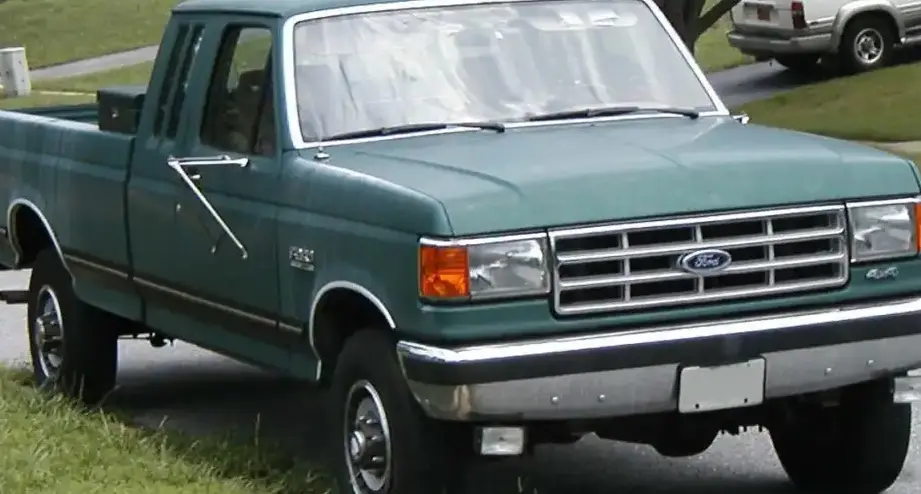
The Ford F-Series F-250 VIII SuperCab HD, equipped with the 5.8-liter V8 Windsor engine producing 210 horsepower, represents a significant iteration in Ford’s long-running and immensely popular F-Series truck line. Produced from 1986 through 1988, this variant occupied a middle ground within the F-250 range, offering a balance between capability and affordability for buyers needing a heavy-duty pickup. The “VIII” designation refers to the eighth generation of the F-Series, which saw substantial updates to styling, comfort, and mechanical components compared to its predecessors. This particular configuration, the SuperCab with the 5.8L V8, was aimed at buyers who required the extra space of the SuperCab (extended cab) but didn’t necessarily need the higher output of the larger displacement engines or the complexity of diesel options.
Technical Specifications
| Brand | Ford |
| Model | F-Series F-250 |
| Generation | F-Series F-250 VIII SuperCab HD |
| Engine Type | 5.8 V8 Windsor (210 Hp) |
| Production Years | 1986 – 1988 |
| Powertrain Architecture | Internal Combustion Engine |
| Body Type | Pick-up |
| Seats | 6 |
| Doors | 2 |
| Fuel Type | Petrol (Gasoline) |
| Power | 210 Hp |
| Power per Liter | 36.5 Hp/l |
| Torque | 414 Nm / 305.35 lb.-ft. |
| Engine Layout | Front, Longitudinal |
| Engine Displacement | 5752 cm3 / 351.01 cu. in. |
| Number of Cylinders | 8 |
| Engine Configuration | V-engine |
| Fuel Injection System | Carburetor |
| Engine Aspiration | Naturally Aspirated |
| Max. Weight | 3992 kg / 8800.85 lbs. |
| Fuel Tank Capacity | 144 l / 38.04 US gal | 31.68 UK gal |
| Length | 5898 mm / 232.2 in. |
| Width | 1778 mm / 70 in. |
| Height | 1895 mm / 74.61 in. |
| Wheelbase | 3937 mm / 155 in. |
| Wading Depth | 869 mm / 34.21 in. |
| Drivetrain | Rear Wheel Drive |
| Number of Gears | 4 |
| Gearbox Type | Manual Transmission |
| Front Suspension | Independent Coil Spring |
| Front Brakes | Disc |
| Rear Brakes | Drum |
| Power Steering | Electric Steering |
| Tire Size | 235/85 R16 |
| Wheel Rim Size | 16 |
Powertrain & Engine Architecture
The heart of this F-250 variant is the 5.8-liter (351 cubic inch) Windsor V8 engine. This engine, a Ford mainstay for decades, is a pushrod engine with a cast iron block and cylinder heads. The 5.8L Windsor utilized a two-barrel carburetor for fuel delivery, a relatively simple system compared to fuel injection, but one that proved reliable and easy to maintain. The engine featured hydraulic lifters, simplifying valve adjustment. The 210 horsepower output was achieved through a relatively conservative compression ratio and a focus on low-end torque, making it well-suited for hauling and towing. The four-speed manual transmission was a durable unit, designed to handle the engine’s torque output. While an automatic transmission was available, the manual offered a more direct connection to the engine and potentially better fuel economy.
Driving Characteristics
The F-250 with the 5.8L V8 and manual transmission provided a robust, if not particularly refined, driving experience. Acceleration was adequate for everyday use, but the truck wasn’t designed for speed. The engine’s strength lay in its low-end torque, allowing it to pull heavy loads without excessive downshifting. The manual transmission, while requiring more driver involvement than an automatic, offered precise control and a more engaging driving experience. Compared to the larger 6.9L diesel or the higher-output gasoline engines, this 5.8L version felt less stressed during heavy work, potentially contributing to its longevity. However, it lacked the sheer pulling power of those alternatives. The gear ratios in the four-speed manual were spaced to provide a balance between acceleration and fuel efficiency, but the truck was most comfortable cruising at moderate speeds.
Equipment & Trim Levels
The SuperCab configuration added a second row of seats, increasing passenger capacity to six. The interior of the F-250 was functional and durable, with vinyl or cloth upholstery being common. Base models featured a simple dashboard layout with basic instrumentation. Optional extras included air conditioning, an upgraded sound system, and power windows/locks. The SuperCab also offered increased storage space behind the seats. The F-250 was generally positioned as a work truck, so luxury features were often kept to a minimum, although buyers could add them at extra cost. The trim level of this specific variant typically fell in the mid-range of the F-250 lineup, offering a step up from the bare-bones base models but lacking the premium features of the higher-end trims.
Chassis & Braking
The F-250 VIII SuperCab HD utilized a body-on-frame construction, providing a robust and durable platform. The front suspension featured independent coil springs, offering a relatively comfortable ride for a heavy-duty truck. The rear suspension employed leaf springs, designed to handle heavy loads. Front disc brakes provided adequate stopping power, while rear drum brakes were standard. Power steering was included as standard equipment, making the truck easier to maneuver. The truck’s relatively heavy weight and long wheelbase contributed to its stability, but also meant that it required a wider turning radius.
Market Reception & Comparison
The F-250 with the 5.8L V8 and manual transmission was generally well-received by buyers who needed a capable and reliable work truck. Critics praised its durability and affordability, but noted that it lacked the refinement of some of its competitors. Compared to the diesel-powered F-250s, the 5.8L version offered lower initial cost and simpler maintenance, but sacrificed fuel economy and pulling power. Compared to the larger gasoline engines, it provided a better balance between performance and fuel efficiency. The manual transmission was appreciated by those who preferred a more engaging driving experience, but it was less popular than the automatic transmission.
Legacy
The 5.8L Windsor V8 engine, in general, has a reputation for being a durable and reliable powerplant. While not known for its high performance, it proved to be a workhorse for many years. The F-250 VIII SuperCab HD with this engine remains a popular choice among collectors and enthusiasts today, particularly those looking for a classic American pickup truck. Parts availability is generally good, and the relatively simple mechanical design makes it relatively easy to maintain. However, potential buyers should be aware of common issues such as carburetor problems and potential oil leaks. A well-maintained example of this truck can provide many years of reliable service, and its classic styling and robust construction continue to appeal to a wide range of buyers.