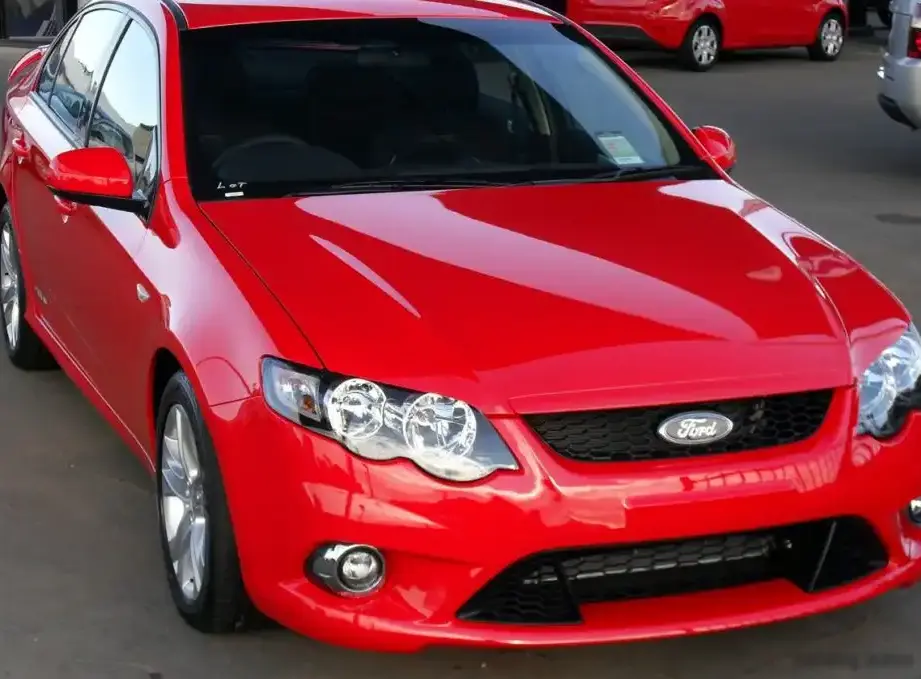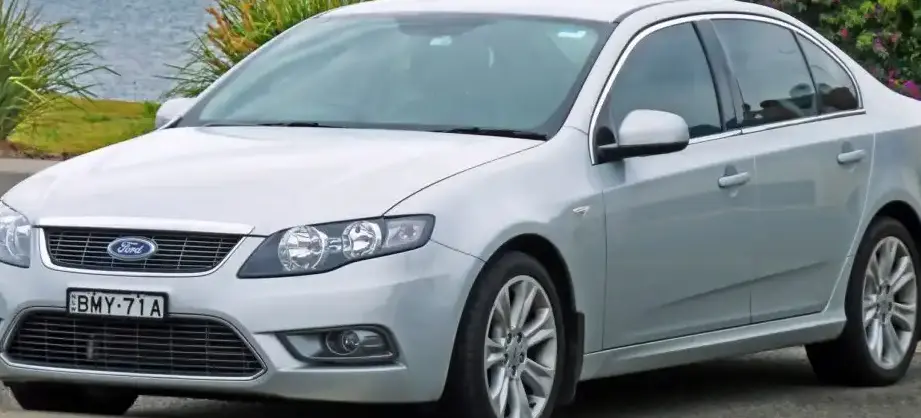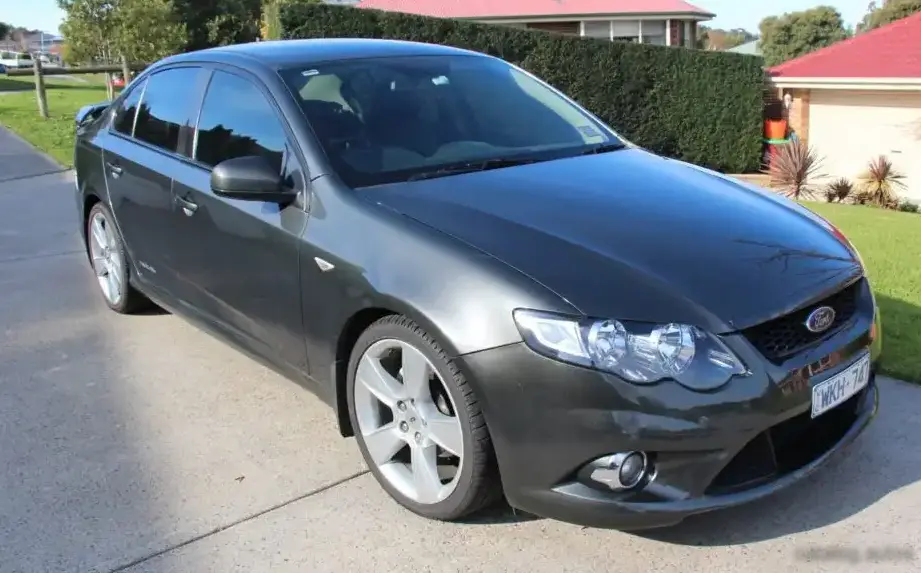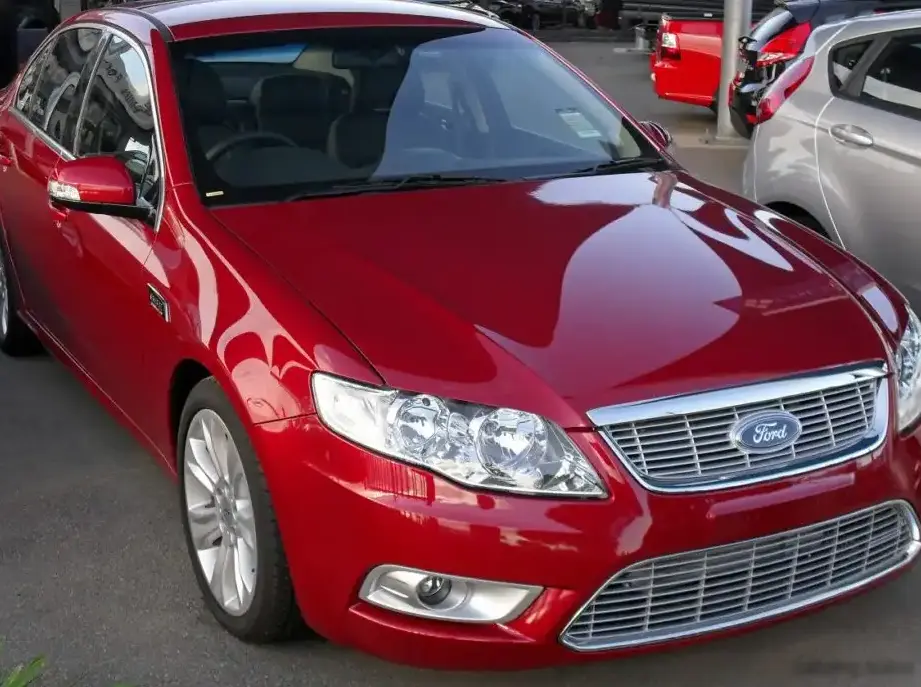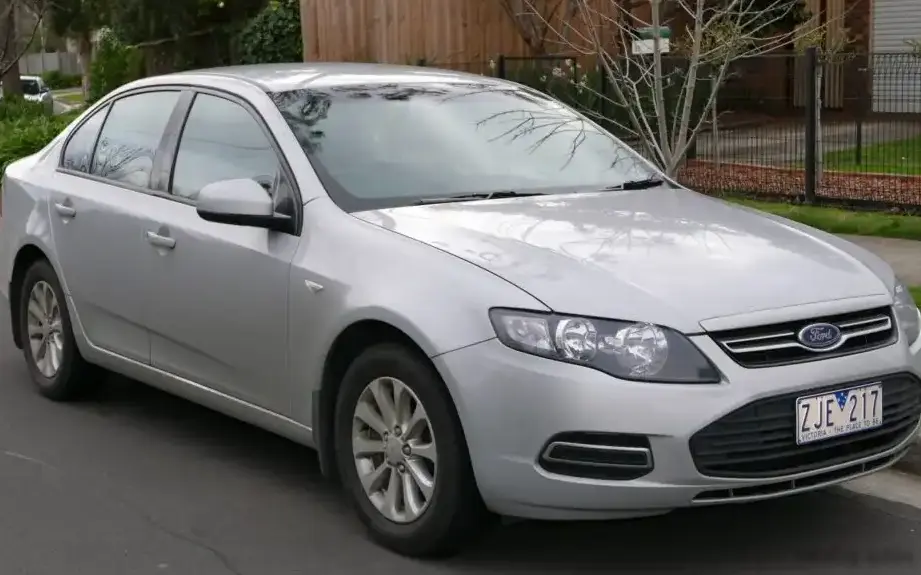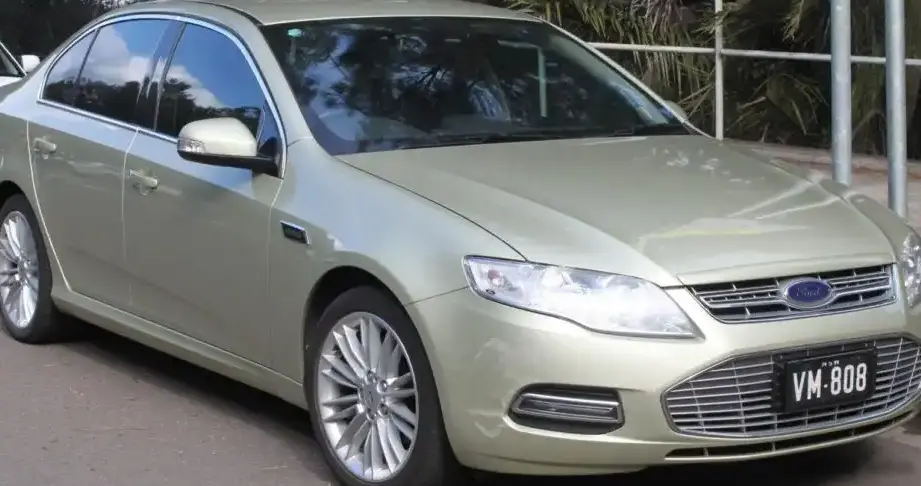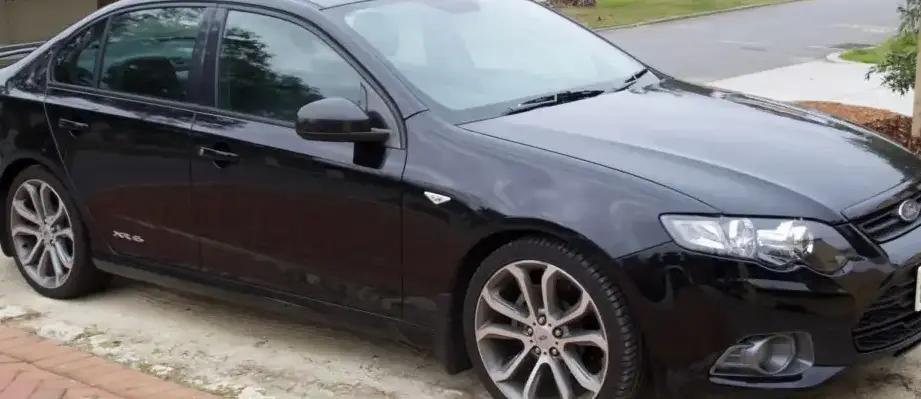
The Ford Falcon FG, specifically the 4.0 DI-VCT variant produced from 2011 to 2014, represents a significant evolution of Australia’s long-running and iconic rear-wheel drive sedan. This facelift of the FG series aimed to refine the Falcon’s appeal in a market increasingly dominated by imported vehicles. The 4.0 DI-VCT engine, paired with a six-speed manual transmission, positioned this model as a performance-oriented offering within the Falcon lineup, bridging the gap between the base models and the high-performance XR6 Turbo and XR8 variants. It was a final flourish for Australian automotive manufacturing before Ford ceased local production.
Technical Specifications
| Brand | Ford |
| Model | Falcon |
| Generation | Falcon (FG, facelift 2011) |
| Type (Engine) | 4.0 DI-VCT (265 Hp) |
| Start of production | 2011 |
| End of production | 2014 |
| Powertrain Architecture | Internal Combustion engine |
| Body type | Sedan |
| Seats | 5 |
| Doors | 4 |
| Fuel consumption (urban) | 16 l/100 km (14.7 US mpg, 17.7 UK mpg, 6.3 km/l) |
| Fuel consumption (extra urban) | 8.1 l/100 km (29 US mpg, 34.9 UK mpg, 12.3 km/l) |
| Fuel consumption (combined) | 11.1 l/100 km (21.2 US mpg, 25.4 UK mpg, 9 km/l) |
| Fuel Type | Petrol (Gasoline) |
| Power | 265 Hp @ 6000 rpm |
| Power per litre | 66.5 Hp/l |
| Torque | 391 Nm @ 3250 rpm (288.39 lb.-ft. @ 3250 rpm) |
| Engine layout | Front, Longitudinal |
| Engine Model/Code | Barra 195 |
| Engine displacement | 3983 cm3 (243.06 cu. in.) |
| Number of cylinders | 6 |
| Engine configuration | Inline |
| Cylinder Bore | 92.25 mm (3.63 in.) |
| Piston Stroke | 99.31 mm (3.91 in.) |
| Compression ratio | 10.3:1 |
| Number of valves per cylinder | 4 |
| Fuel injection system | Multi-port manifold injection |
| Engine aspiration | Naturally aspirated engine |
| Valvetrain | DOHC |
| Trunk (boot) space (minimum) | 535 l (18.89 cu. ft.) |
| Fuel tank capacity | 68 l (17.96 US gal | 14.96 UK gal) |
| Permitted trailer load with brakes (12%) | 1200 kg (2645.55 lbs.) |
| Length | 4970 mm (195.67 in.) |
| Width | 1868 mm (73.54 in.) |
| Width including mirrors | 2100 mm (82.68 in.) |
| Height | 1433 mm (56.42 in.) |
| Wheelbase | 2838 mm (111.73 in.) |
| Front track | 1583 mm (62.32 in.) |
| Rear track | 1598 mm (62.91 in.) |
| Front overhang | 954 mm (37.56 in.) |
| Rear overhang | 1179 mm (46.42 in.) |
| Minimum turning circle | 11 m (36.09 ft.) |
| Drivetrain Architecture | Rear wheel drive |
| Drive wheel | Rear wheel drive |
| Number of gears and type of gearbox | 6 gears, manual transmission |
| Front suspension | Double wishbone |
| Rear suspension | Independent multi-link suspension |
| Front brakes | Ventilated discs |
| Rear brakes | Disc |
| Assisting systems | ABS (Anti-lock braking system) |
| Steering type | Steering rack and pinion |
| Power steering | Hydraulic Steering |
| Tires size | 245/40 R18; 245/35 R19 |
| Wheel rims size | 8J x 18; 8J x 19 |
Introduction
The Ford Falcon FG 4.0 DI-VCT, produced between 2011 and 2014, was a key variant within the final generation of the Falcon manufactured in Australia. The FG series represented a substantial investment by Ford Australia, aiming to modernize the Falcon and maintain its competitiveness against increasing imports. This particular engine and transmission combination was positioned as a sporty, yet practical, option for buyers who desired a balance between performance and fuel efficiency. It sat within the broader FG range, which included the base Falcon, the performance-focused XR6 Turbo, and the flagship XR8. The Falcon FG was built on the 1HX0 platform, a chassis that had been continuously refined over decades of Australian production.
Powertrain & Engine Architecture
At the heart of the Falcon FG 4.0 DI-VCT is the Barra 195 inline six-cylinder engine. This 4.0-liter engine utilizes a naturally aspirated configuration and features Ford’s Dual Independent Variable Camshaft Timing (DI-VCT) technology. DI-VCT allows for independent control of intake and exhaust valve timing, optimizing engine performance across a wider RPM range. The engine employs multi-port fuel injection, delivering fuel directly to the intake ports. The Barra engine is known for its robust construction and relatively simple design, contributing to its reliability. The six-speed manual transmission, a Getrag unit, provided precise shifts and enhanced driver engagement. This transmission was chosen to complement the engine’s power output and provide a more sporting driving experience compared to the available automatic option.
Driving Characteristics
The 4.0 DI-VCT engine, producing 265 horsepower and 391 Nm (288 lb-ft) of torque, delivered a noticeable step up in performance compared to the base Falcon’s 4.0-liter non-DI-VCT engine. The six-speed manual transmission allowed drivers to fully exploit the engine’s powerband. Acceleration was brisk, and the engine felt responsive throughout the rev range. While not as overtly powerful as the XR6 Turbo, the 4.0 DI-VCT offered a more linear and predictable power delivery. The manual gearbox provided a more connected driving experience, allowing for precise control during spirited driving. Gear ratios were well-chosen to maximize acceleration and maintain reasonable fuel economy. Compared to the automatic transmission equipped models, the manual version offered improved fuel efficiency and a more engaging driving experience.
Equipment & Trim Levels
The Falcon FG 4.0 DI-VCT typically came standard with features such as air conditioning, power windows and mirrors, a multi-function steering wheel, and a basic audio system. Higher trim levels, such as the XR6, added features like sports seats, alloy wheels, a more advanced audio system, and upgraded interior trim. Optional extras included a sunroof, leather upholstery, and a navigation system. Interior upholstery was typically cloth, although leather was available as an option. The dashboard layout was functional and driver-focused, with clear instrumentation and logically placed controls. The FG facelift brought subtle interior refinements, including updated trim materials and improved ergonomics.
Chassis & Braking
The Falcon FG utilized a robust rear-wheel drive chassis with a double wishbone front suspension and an independent multi-link rear suspension. This suspension setup provided a good balance between ride comfort and handling. The XR6 variant, and often specified as an option on the standard 4.0 DI-VCT, featured a thicker front stabilizer bar for reduced body roll. Braking duties were handled by ventilated disc brakes at the front and solid discs at the rear. Anti-lock Braking System (ABS) was standard. The Falcon’s chassis was well-regarded for its stability and predictability, making it a capable handler on both city streets and winding roads.
Market Reception & Comparison
The Falcon FG 4.0 DI-VCT was generally well-received by Australian automotive critics. It was praised for its strong engine performance, engaging manual transmission, and comfortable ride. However, some critics noted that its fuel economy, while improved over previous generations, was still relatively high compared to some imported rivals. Compared to the XR6 Turbo, the 4.0 DI-VCT offered a more accessible price point and a less aggressive driving experience. Against the base Falcon, it provided a significant performance upgrade. Reliability was generally good, although some owners reported minor issues with the engine’s cooling system. Fuel economy averaged around 11.1 l/100km (21.2 US mpg), which was competitive for a large, naturally aspirated six-cylinder vehicle of its time.
Legacy
The Ford Falcon FG 4.0 DI-VCT represents a poignant chapter in Australian automotive history. As one of the last Falcons produced domestically, it holds a special place in the hearts of many Australian car enthusiasts. The Barra 195 engine is known for its durability and tunability, making it a popular choice for engine swaps and modifications. In the used car market, well-maintained examples of the FG 4.0 DI-VCT are sought after by those who appreciate its classic rear-wheel drive layout, strong engine, and engaging driving experience. While no longer in production, the Falcon FG 4.0 DI-VCT remains a testament to Australian engineering and automotive passion.