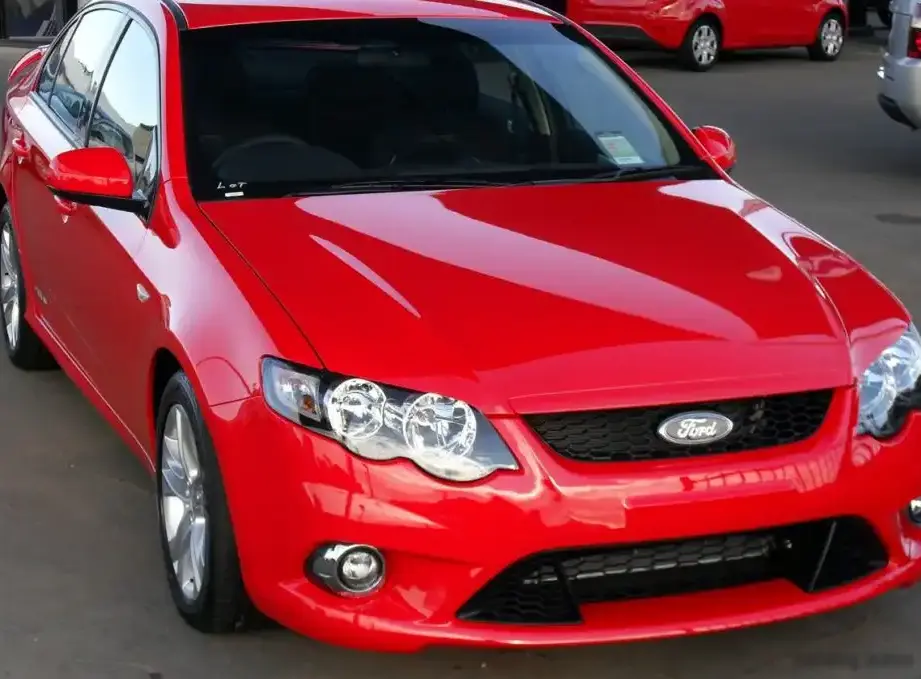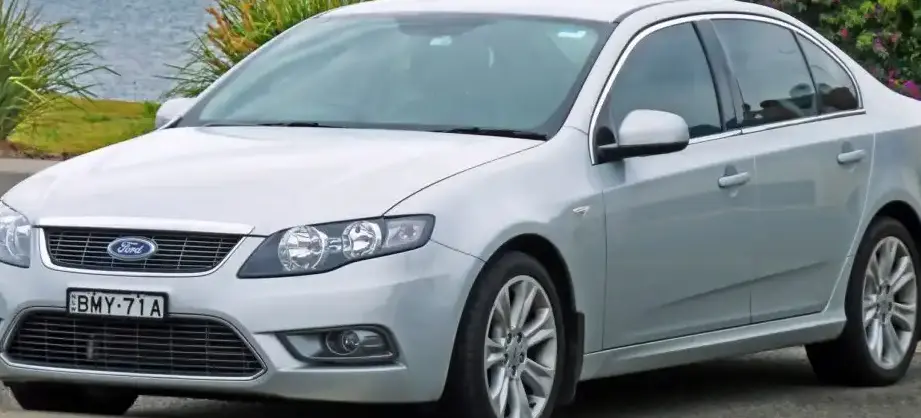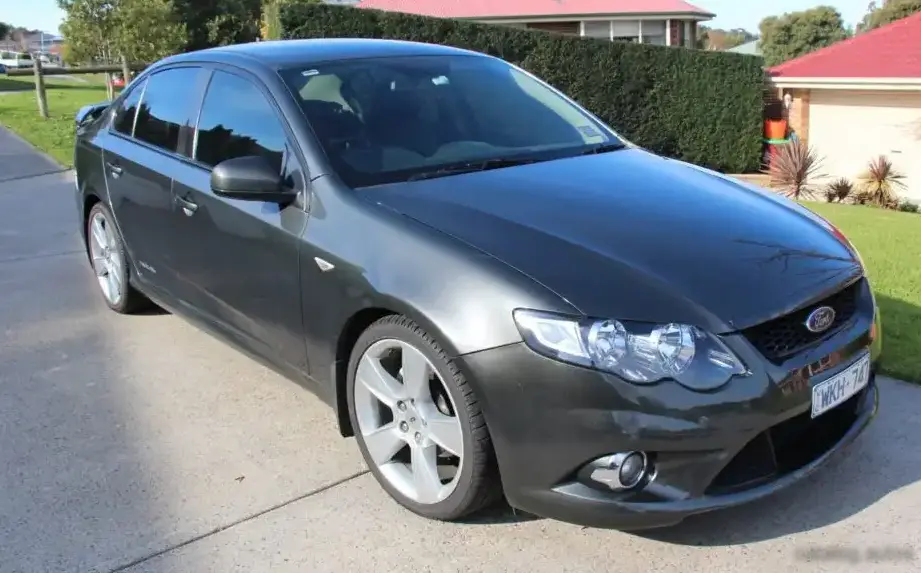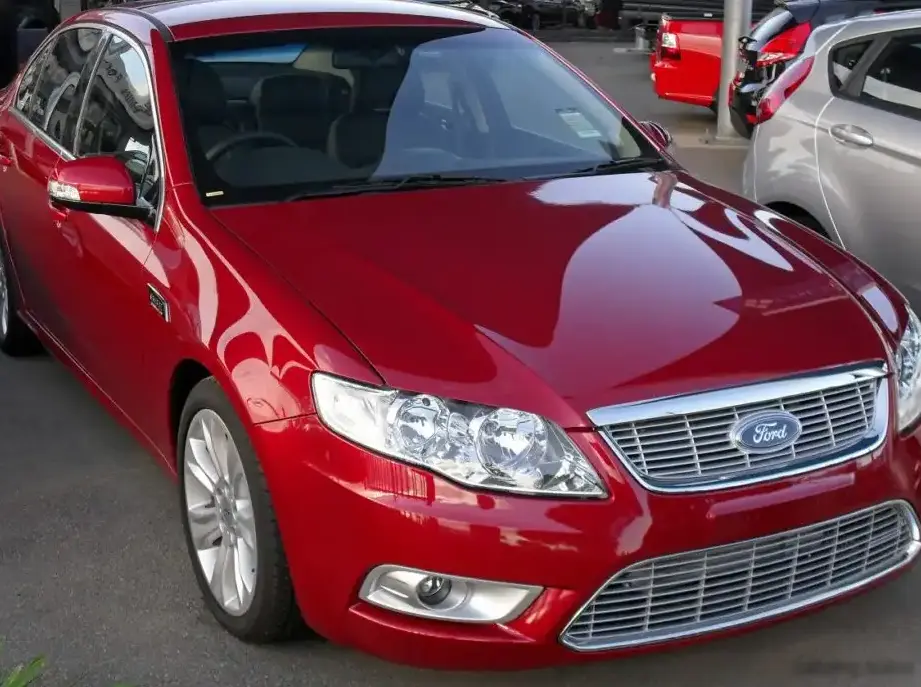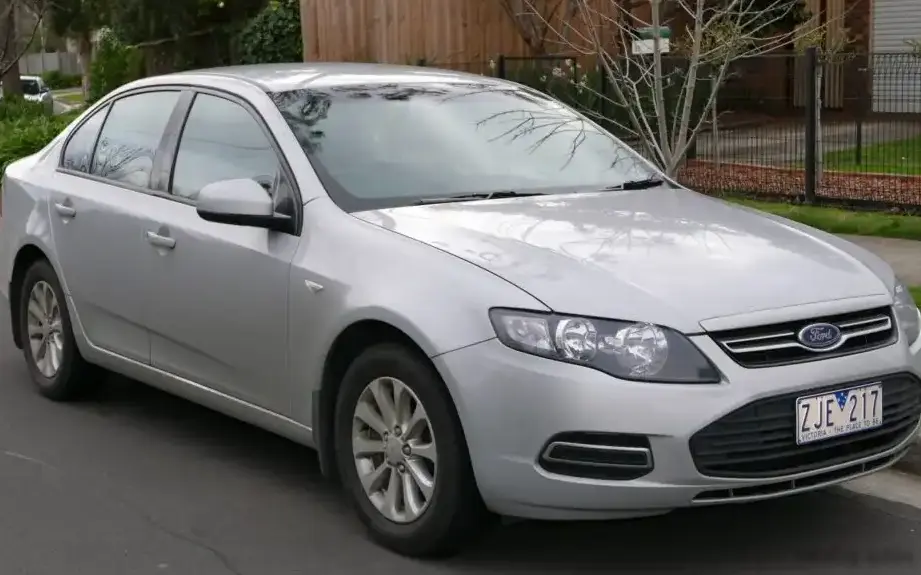
The Ford Falcon FG X 4.0 DI-VCT Turbo, produced from 2014 to 2016, represented the pinnacle of performance for the Australian-built Falcon lineup. This variant, equipped with a turbocharged 4.0-liter inline-six engine and a six-speed automatic transmission, served as the flagship model, offering a blend of power, refinement, and technology. It marked the end of an era for large, locally manufactured rear-wheel-drive sedans in Australia, as Ford ceased production at its Broadmeadows plant in October 2016. The FG X series was a heavily revised version of the FG, featuring updated styling, improved technology, and enhanced performance.
Technical Specifications
| Brand | Ford |
| Model | Falcon |
| Generation | Falcon (FG X) |
| Type (Engine) | 4.0 DI-VCT Turbo (367 Hp) Automatic |
| Start of production | 2014 |
| End of production | 2016 |
| Powertrain Architecture | Internal Combustion engine |
| Body type | Sedan |
| Seats | 5 |
| Doors | 4 |
| Fuel consumption (urban) | 17.2 l/100 km (13.7 US mpg, 16.4 UK mpg, 5.8 km/l) |
| Fuel consumption (extra urban) | 8.5 l/100 km (27.7 US mpg, 33.2 UK mpg, 11.8 km/l) |
| Fuel consumption (combined) | 11.7 l/100 km (20.1 US mpg, 24.1 UK mpg, 8.5 km/l) |
| CO2 emissions | 278 g/km |
| Fuel Type | Petrol (Gasoline) |
| Weight-to-power ratio | 4.9 kg/Hp, 204.7 Hp/tonne |
| Weight-to-torque ratio | 3.4 kg/Nm, 297.3 Nm/tonne |
| Power | 367 Hp @ 5250 rpm |
| Power per litre | 92.1 Hp/l |
| Torque | 533 Nm @ 2000-4750 rpm (393.12 lb.-ft. @ 2000-4750 rpm) |
| Engine layout | Front, Longitudinal |
| Engine Model/Code | Barra 270T |
| Engine displacement | 3983 cm3 (243.06 cu. in.) |
| Number of cylinders | 6 |
| Engine configuration | Inline |
| Cylinder Bore | 92.26 mm (3.63 in.) |
| Piston Stroke | 99.31 mm (3.91 in.) |
| Compression ratio | 8.8:1 |
| Number of valves per cylinder | 4 |
| Fuel injection system | Multi-port manifold injection |
| Engine aspiration | Turbocharger, Intercooler |
| Valvetrain | DOHC |
| Kerb Weight | 1793 kg (3952.89 lbs.) |
| Trunk (boot) space (minimum) | 535 l (18.89 cu. ft.) |
| Fuel tank capacity | 68 l (17.96 US gal, 14.96 UK gal) |
| Permitted trailer load with brakes (12%) | 2300 kg (5070.63 lbs.) |
| Length | 4949 mm (194.84 in.) |
| Width | 1868 mm (73.54 in.) |
| Width including mirrors | 2100 mm (82.68 in.) |
| Height | 1494 mm (58.82 in.) |
| Wheelbase | 2838 mm (111.73 in.) |
| Front track | 1583 mm (62.32 in.) |
| Rear track | 1598 mm (62.91 in.) |
| Front overhang | 943 mm (37.13 in.) |
| Rear overhang | 1168 mm (45.98 in.) |
| Drag coefficient (Cd) | 0.291 |
| Minimum turning circle | 11 m (36.09 ft.) |
| Drivetrain Architecture | Rear wheel drive |
| Number of gears and type of gearbox | 6 gears, automatic transmission |
| Front suspension | Double wishbone |
| Rear suspension | Independent multi-link suspension |
| Front brakes | Ventilated discs, 322 mm |
| Rear brakes | Disc, 328 mm |
| Assisting systems | ABS (Anti-lock braking system) |
| Steering type | Steering rack and pinion |
| Power steering | Hydraulic Steering |
| Tires size | 245/35 R19 |
| Wheel rims size | 8J x 19 |
Introduction
The Ford Falcon FG X 4.0 DI-VCT Turbo, launched in 2014, was the ultimate expression of the Falcon’s performance potential. Built on the FG X platform – a significant update to the preceding FG series – it represented the final iteration of the iconic Australian-made Falcon. Positioned as the top-of-the-line model, it aimed to deliver a premium driving experience with substantial power and torque. The FG X series, and particularly this turbocharged variant, was intended to provide a fitting send-off to a nameplate that had been a mainstay of the Australian automotive landscape for over 50 years. It competed directly with the Holden Commodore VF Series II, particularly the V8-powered models.
Powertrain & Engine Architecture
The heart of the FG X 4.0 DI-VCT Turbo is the Barra 270T engine, a 4.0-liter inline-six cylinder powerplant. This engine builds upon the foundation of the earlier Barra engines, but adds a twin-scroll turbocharger and intercooler to significantly boost output. The “DI-VCT” designation stands for Direct Injection Variable Cam Timing, highlighting key features of the engine’s technology. The engine utilizes multi-port fuel injection, delivering fuel directly into the intake ports. The Barra 270T boasts a relatively low 8.8:1 compression ratio, optimized for turbocharging. The six-speed automatic transmission, sourced from ZF, was specifically calibrated to handle the engine’s substantial 533 Nm (393 lb-ft) of torque. This transmission featured a torque converter lock-up clutch for improved efficiency at cruising speeds. The engine’s layout is front-mounted and longitudinal, driving the rear wheels.
Driving Characteristics
The FG X 4.0 Turbo delivers a markedly different driving experience compared to naturally aspirated Falcon models or even the earlier Barra turbo variants. The turbocharger provides a broad torque curve, resulting in strong acceleration from low engine speeds. The six-speed automatic transmission is well-matched to the engine, providing smooth and relatively quick shifts. While not as raw or visceral as a manual transmission, the automatic offers convenience and ease of use. Compared to the V8-powered Commodore, the Falcon Turbo offered a different character – more accessible torque and a slightly more refined feel. The gear ratios are tuned for a balance between acceleration and fuel economy, with a focus on maximizing in-gear performance. The turbo lag is minimal, providing a responsive feel for everyday driving.
Equipment & Trim Levels
The FG X 4.0 DI-VCT Turbo was typically well-equipped, reflecting its position as the range-topping model. Standard features included leather upholstery, a premium audio system, dual-zone climate control, and a comprehensive suite of safety features, including ABS, traction control, and stability control. Optional extras included a sunroof, satellite navigation, and upgraded wheels. Interior trim levels were generally high-quality, with a focus on comfort and refinement. The dashboard layout was functional and driver-focused, with clear instrumentation and intuitive controls. The FG X also featured Ford’s SYNC2 infotainment system, offering connectivity with smartphones and other devices.
Chassis & Braking
The FG X chassis benefited from ongoing refinement throughout the FG series. The suspension system utilizes a double wishbone setup at the front and an independent multi-link setup at the rear, providing a comfortable ride and good handling characteristics. Stabilizer bars are fitted to both axles to reduce body roll during cornering. The braking system consists of ventilated discs at the front and solid discs at the rear, providing adequate stopping power for the vehicle’s weight and performance. The ABS system helps to maintain control during emergency braking situations. The steering is rack and pinion, providing precise and responsive steering feel.
Market Reception & Comparison
The FG X 4.0 DI-VCT Turbo was generally well-received by Australian automotive media. Critics praised its strong performance, refined ride, and comprehensive equipment list. However, some noted that the fuel economy, while improved over earlier turbocharged Falcons, remained relatively high. Compared to the V8-powered Holden Commodore, the Falcon Turbo offered a different driving experience – more accessible torque and a slightly more refined feel. The Commodore V8 was often favored by enthusiasts seeking a more traditional muscle car experience. In terms of reliability, the Barra engine family had a generally good reputation, although some owners reported issues with timing chain tensioners and oil consumption.
Legacy
The Ford Falcon FG X 4.0 DI-VCT Turbo represents a significant chapter in Australian automotive history. As the final iteration of the Falcon, it holds a special place in the hearts of many enthusiasts. The Barra 270T engine is considered a high point in Australian engine design, offering a compelling combination of power, torque, and refinement. On the used car market, well-maintained FG X Turbos command a premium price, reflecting their rarity and performance potential. While the Falcon is no longer in production, its legacy continues to live on through a dedicated community of owners and enthusiasts. The powertrain, while aging, remains capable and relatively reliable with proper maintenance, making it a desirable option for those seeking a powerful and uniquely Australian performance sedan.