Technical Specifications
| Brand | Ford |
| Model | Falcon |
| Generation | Falcon (FG) |
| Type (Engine) | XR8 5.4 V8 (394 Hp) Automatic |
| Start of production | 2008 |
| End of production | 2010 |
| Powertrain Architecture | Internal Combustion engine |
| Body type | Sedan |
| Seats | 5 |
| Doors | 4 |
| Fuel consumption (urban) | 21.4 l/100 km (11 US mpg, 13.2 UK mpg, 4.7 km/l) |
| Fuel consumption (extra urban) | 9.7 l/100 km (24.2 US mpg, 29.1 UK mpg, 10.3 km/l) |
| Fuel consumption (combined) | 14 l/100 km (16.8 US mpg, 20.2 UK mpg, 7.1 km/l) |
| Fuel Type | Petrol (Gasoline) |
| Power | 394 Hp @ 5750 rpm |
| Power per litre | 72.9 Hp/l |
| Torque | 520 Nm @ 4750 rpm (383.53 lb.-ft. @ 4750 rpm) |
| Engine layout | Front, Longitudinal |
| Engine Model/Code | Boss 290 |
| Engine displacement | 5408 cm3 (330.02 cu. in.) |
| Number of cylinders | 8 |
| Engine configuration | V-engine |
| Cylinder Bore | 90.2 mm (3.55 in.) |
| Piston Stroke | 105.8 mm (4.17 in.) |
| Compression ratio | 10.5:1 |
| Number of valves per cylinder | 4 |
| Fuel injection system | Multi-port manifold injection |
| Engine aspiration | Naturally aspirated engine |
| Valvetrain | DOHC |
| Trunk (boot) space (minimum) | 535 l (18.89 cu. ft.) |
| Fuel tank capacity | 68 l (17.96 US gal, 14.96 UK gal) |
| Permitted trailer load with brakes (12%) | 2300 kg (5070.63 lbs.) |
| Length | 4970 mm (195.67 in.) |
| Width | 1868 mm (73.54 in.) |
| Width including mirrors | 2100 mm (82.68 in.) |
| Height | 1433 mm (56.42 in.) |
| Wheelbase | 2838 mm (111.73 in.) |
| Front track | 1583 mm (62.32 in.) |
| Rear track | 1598 mm (62.91 in.) |
| Front overhang | 954 mm (37.56 in.) |
| Rear overhang | 1179 mm (46.42 in.) |
| Minimum turning circle | 11 m (36.09 ft.) |
| Drivetrain Architecture | Rear wheel drive |
| Number of gears and type of gearbox | 6 gears, automatic transmission |
| Front suspension | Double wishbone |
| Rear suspension | Independent multi-link suspension |
| Front brakes | Ventilated discs |
| Rear brakes | Disc |
| Assisting systems | ABS (Anti-lock braking system) |
| Steering type | Steering rack and pinion |
| Power steering | Hydraulic Steering |
| Tires size | 245/45 R17; 245/40 R18; 245/35 R19 |
| Wheel rims size | 8J x 17; 8J x 18; 8J x 19 |
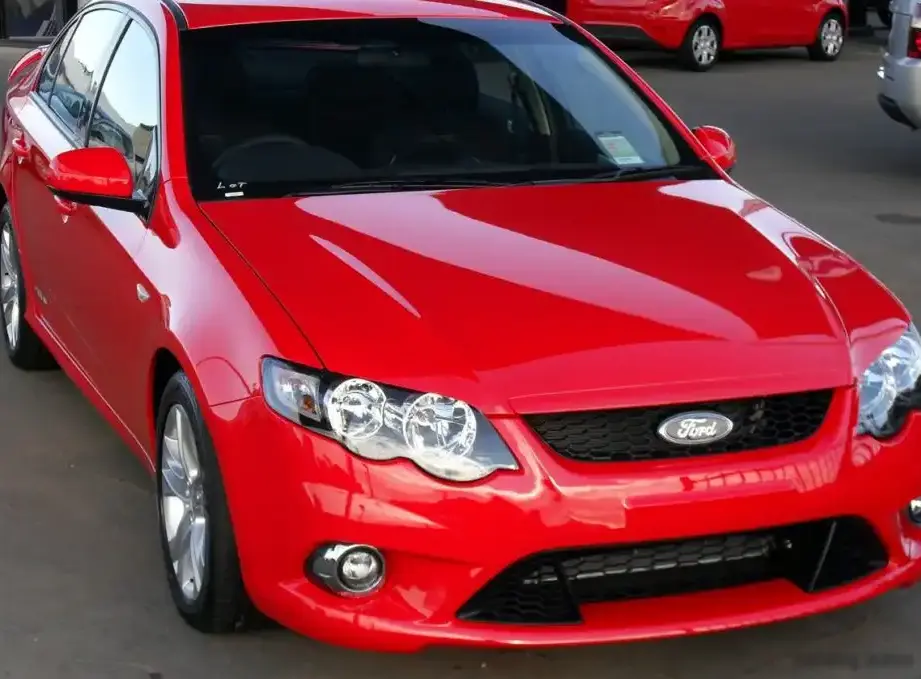
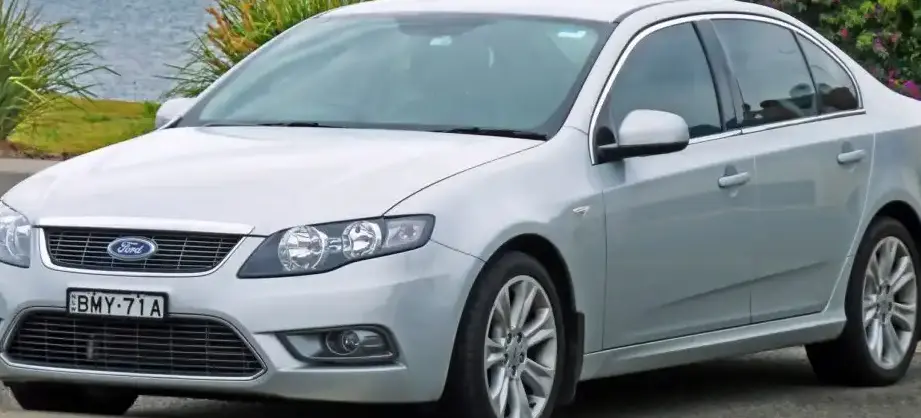
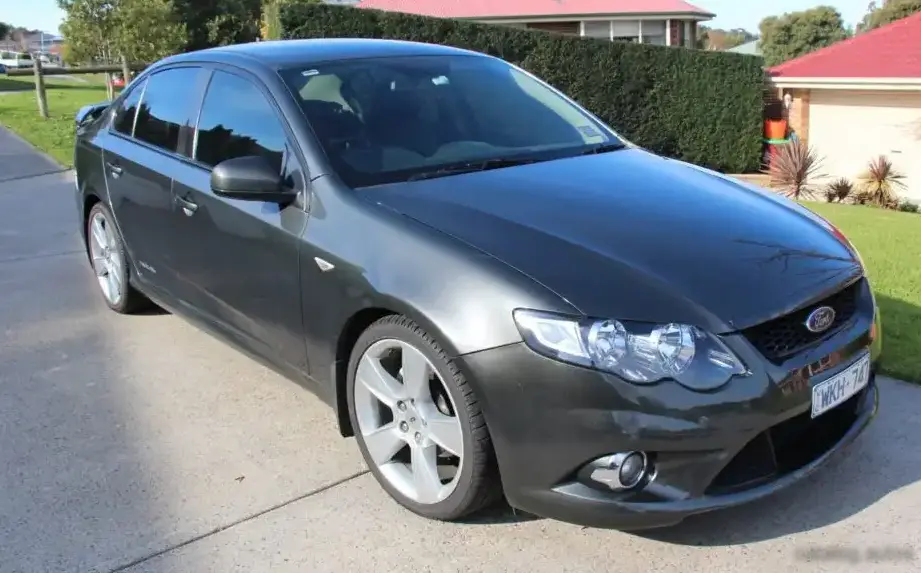
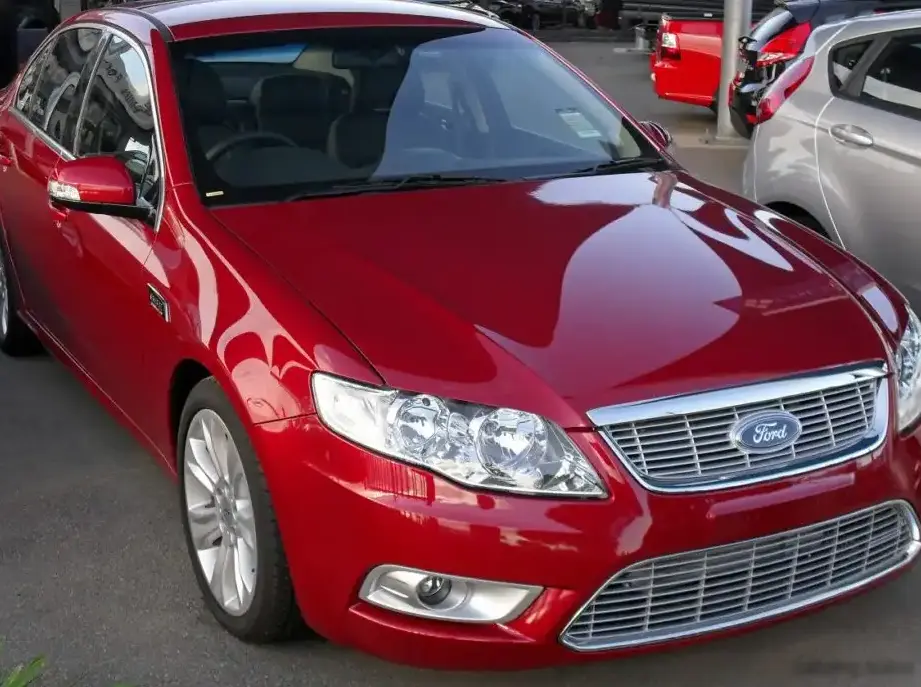
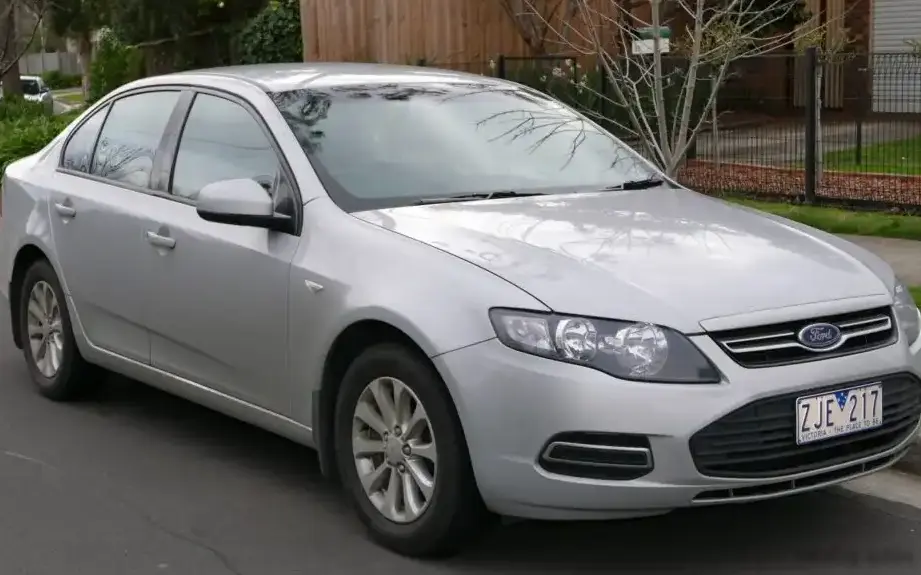
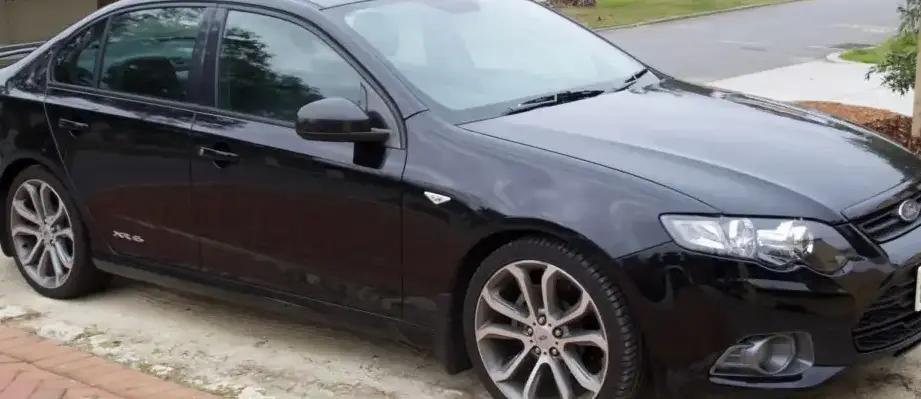
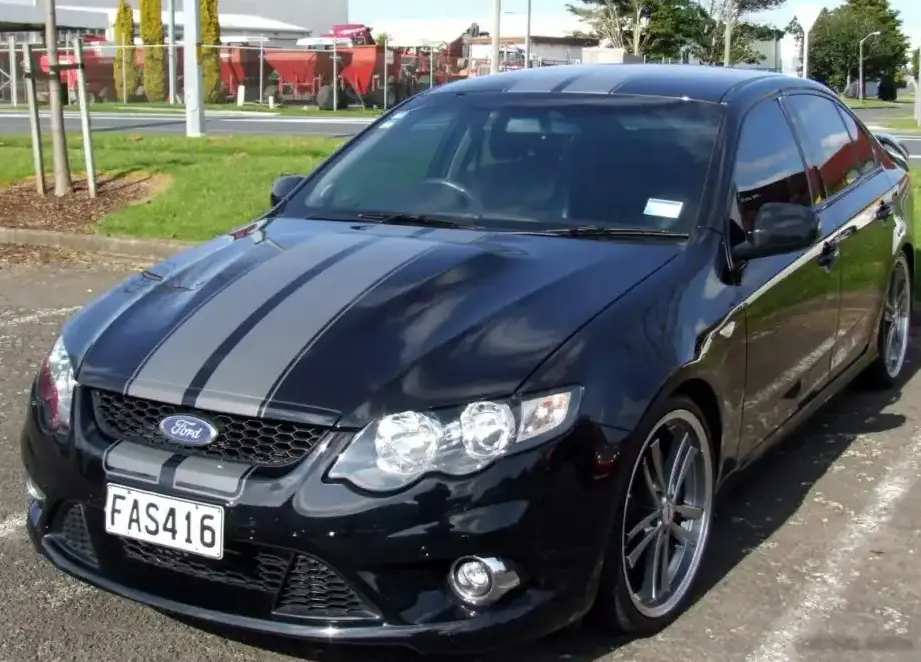
The Ford Falcon FG XR8 5.4 V8 Automatic, produced between 2008 and 2010, was the performance flagship of the Australian-built Falcon range. It represented a significant upgrade over the standard Falcon XT and G6 models, offering a substantial increase in power and a more focused driving experience. The FG series was a comprehensive modernization of the BA/BF Falcons, addressing previous criticisms with revised styling, improved interior quality, and a generally enhanced driving experience. The XR8 specifically targeted Australian enthusiasts desiring a powerful, rear-wheel-drive sedan with a naturally aspirated V8 engine – a configuration becoming increasingly rare globally.
Powertrain & Engine Architecture
The XR8’s powertrain revolved around the Ford “Boss” 5.4-liter V8 engine, internally known as the Boss 290. This engine wasn’t simply a displacement increase; it was a substantial evolution of earlier Falcon V8s. Key improvements included a redesigned cylinder head for enhanced airflow, a revised intake manifold optimizing fuel delivery, and a higher 10.5:1 compression ratio. These changes resulted in an output of 394 horsepower at 5750 rpm and 520 Nm (383.53 lb-ft) of torque at 4750 rpm. The engine employed multi-port fuel injection and a dual overhead camshaft (DOHC) valvetrain, contributing to its broad and usable powerband. The engine was mounted longitudinally, sending power to the rear wheels.
The XR8 was exclusively paired with a six-speed automatic transmission. While a manual transmission wasn’t offered, this automatic was a sophisticated unit designed to handle the engine’s substantial output. It featured a torque converter lock-up clutch to improve efficiency at cruising speeds and was programmed for relatively quick and firm shifts. Although some purists preferred a manual, the automatic provided a balance of performance and convenience, broadening the XR8’s appeal.
Driving Characteristics
Behind the wheel, the XR8 delivered a distinctly visceral driving experience. The 5.4-liter V8 provided strong acceleration in all gears, making overtaking effortless. The automatic transmission, while efficient, did introduce a small amount of torque converter slip, slightly softening the initial throttle response compared to a manual. However, the six-speed design allowed the engine to remain within its peak power range during acceleration, minimizing this effect. The rear-wheel-drive layout contributed to a balanced feel, though it demanded respect in wet or slippery conditions. The suspension was tuned to provide a comfortable ride without sacrificing handling precision, offering a good compromise for everyday driving and spirited backroad excursions.
Equipment & Trim Levels
As the range-topping model, the XR8 came generously equipped. Standard interior features included unique sports seats with distinctive XR8 upholstery, a leather-wrapped steering wheel, and a premium sound system. Exterior appointments included a unique body kit consisting of a rear spoiler, side skirts, and a bold front grille. Optional extras included a sunroof, a satellite navigation system, and larger, more aggressive wheel designs. The interior, while well-appointed, didn’t quite match the outright luxury of some European competitors, but it offered a sporty and functional environment.
Chassis & Braking
The XR8’s chassis featured a double wishbone front suspension and an independent multi-link rear suspension. This configuration provided a good balance between ride comfort and handling responsiveness. The braking system consisted of ventilated disc brakes at the front and solid disc brakes at the rear, coupled with an Anti-lock Braking System (ABS) as standard. The brakes were generally effective, providing ample stopping power for the car’s weight and performance capabilities. The XR8’s suspension was slightly stiffer than that of lower-spec Falcons, further enhancing its handling prowess.
Market Reception & Comparison
The Ford Falcon FG XR8 5.4 V8 Automatic was generally well-received by Australian automotive journalists and enthusiasts. It was lauded for its powerful engine, engaging driving dynamics, and aggressive styling. Some critics noted the automatic transmission wasn’t as involving as a manual, and fuel consumption was relatively high – a common trait of large-displacement V8 engines. Compared to other Falcon variants, the XR8 offered a significant performance advantage but commanded a higher price. It directly competed with the Holden Commodore SS, offering a similar level of performance and value, often coming down to brand preference.
Legacy
The Ford Falcon FG XR8 5.4 V8 Automatic has become a highly desirable vehicle in the Australian used car market. Its combination of performance, rear-wheel-drive dynamics, and its status as one of the last high-performance Falcons built in Australia have contributed to its collector appeal. The Boss 290 engine is known for its inherent reliability, provided it receives regular maintenance. As a symbol of a bygone era of Australian automotive manufacturing, the XR8 continues to be appreciated by enthusiasts and collectors alike. The powertrain, while not particularly fuel-efficient by modern standards, is generally considered robust and capable of providing many years of reliable service with proper care and maintenance.