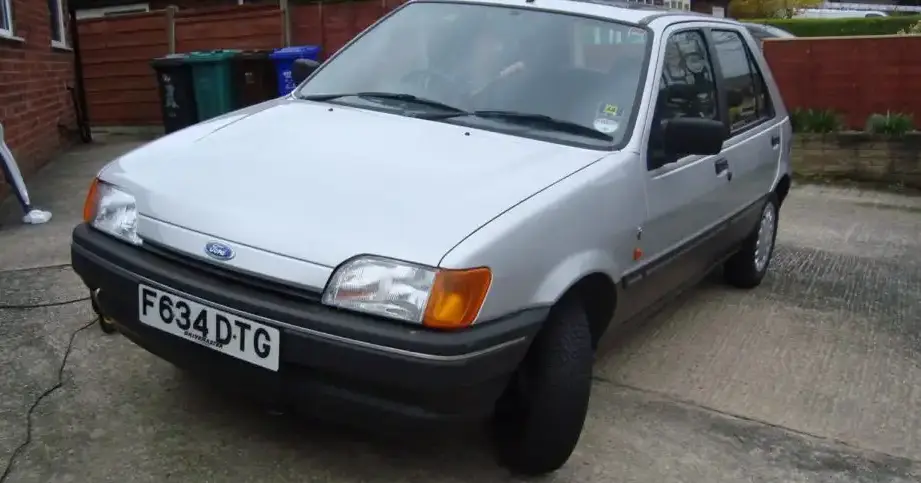
The Ford Fiesta Mk3, produced between 1989 and 1994, represented a significant evolution of Ford’s popular supermini. Within the Mk3 range, the 1.6-liter (88 hp) variant occupied a middle-ground position, offering a balance between affordability and performance. This model aimed to provide a more refined driving experience than the base 1.0 and 1.4-liter engines, while remaining accessible to a broader customer base than the sporty XR2 version. The Mk3 Fiesta was a crucial model for Ford in Europe, solidifying its position as a leading small car manufacturer and providing a platform for future generations of the Fiesta.
Technical Specifications
| Brand | Ford |
| Model | Fiesta |
| Generation | Fiesta III (Mk3) |
| Type (Engine) | 1.6 (88 Hp) |
| Start of production | 1989 |
| End of production | 1994 |
| Powertrain Architecture | Internal Combustion engine |
| Body type | Hatchback |
| Fuel Type | Petrol (Gasoline) |
| Power | 88 Hp |
| Engine Model/Code | LUH |
| Engine aspiration | Naturally aspirated engine |
| Engine oil capacity | 3.5 l (3.7 US qt | 3.08 UK qt) |
| Coolant capacity | 7 l (7.4 US qt | 6.16 UK qt) |
Powertrain & Engine Architecture
The 1.6-liter LUH engine powering this Fiesta variant was a naturally aspirated, inline-four cylinder unit. It represented a step up in displacement and power compared to the smaller engines available in the Mk3 Fiesta lineup. The LUH engine featured a single overhead camshaft (SOHC) valvetrain, operating two valves per cylinder. Fuel delivery was managed by Bosch fuel injection, a significant improvement over the carbureted systems found in earlier Fiestas. This injection system contributed to improved fuel efficiency and reduced emissions. The engine’s block was constructed from cast iron, providing durability, while the cylinder head was made of aluminum alloy, helping to reduce weight. The 88 horsepower output was achieved at 5500 rpm, with peak torque of approximately 108 lb-ft (146 Nm) at 3500 rpm. The engine was typically paired with a four-speed automatic transmission, although a five-speed manual was also available. The automatic transmission, while offering convenience, was not known for its particularly quick shifts or sporty feel.
Driving Characteristics
The Fiesta 1.6 Automatic offered a comfortable and relatively refined driving experience for its time. The 1.6-liter engine provided adequate power for everyday driving, making it suitable for both city commutes and longer journeys. However, the automatic transmission did impact performance. Acceleration from 0 to 60 mph was typically around 12-13 seconds, which was noticeably slower than the manual transmission versions. The automatic’s gear ratios were geared towards fuel economy rather than outright performance. The power delivery was linear, without any significant power band, making it predictable and easy to control. Compared to the more basic 1.0 and 1.4-liter models, the 1.6 offered a more relaxed cruising experience, particularly on highways. However, it lacked the responsiveness and engaging feel of the manual transmission or the more powerful XR2 variant. The steering was light and precise, typical of Fords of this era, and the suspension provided a reasonable balance between comfort and handling.
Equipment & Trim Levels
The 1.6-liter Fiesta typically came equipped with a reasonable level of standard features. Interior upholstery was usually cloth, with options for upgraded fabrics available. The dashboard layout was functional and straightforward, with clearly labeled controls. Standard equipment generally included a basic stereo, central locking, and electric front windows. Optional extras included a sunroof, alloy wheels, and upgraded interior trim. The trim level often dictated the exterior styling, with higher trims featuring body-colored bumpers and door handles. The 1.6-liter model often served as a base for adding optional packages, allowing buyers to customize their Fiesta to their specific needs and preferences. The interior space was typical for a supermini of the time, offering adequate room for four adults, although rear legroom could be limited.
Chassis & Braking
The Fiesta Mk3 utilized a MacPherson strut front suspension and a twist-beam rear suspension. This setup provided a good compromise between ride comfort and handling. The 1.6-liter models generally featured a slightly thicker front stabilizer bar compared to the lower-spec versions, improving body control during cornering. Braking systems varied depending on the trim level. Base models typically had drum brakes on the rear wheels, while higher-spec models, including the 1.6, often featured disc brakes all around. The braking performance was adequate for everyday driving, but lacked the stopping power of more modern vehicles. The steering was rack and pinion, providing precise and responsive handling. The chassis was relatively lightweight, contributing to the Fiesta’s nimble handling characteristics.
Market Reception & Comparison
The Fiesta 1.6 Automatic was generally well-received by automotive critics as a practical and comfortable small car. It was praised for its refined engine, comfortable ride, and reasonable fuel economy. However, the automatic transmission was often criticized for its sluggish performance and lack of responsiveness. Compared to the 1.0 and 1.4-liter models, the 1.6 offered a noticeable improvement in performance and refinement. However, it was more expensive to purchase and operate. Compared to the XR2, the 1.6 lacked the sporty appeal and performance, but it was significantly more affordable and practical. Fuel economy was typically around 35-40 mpg, depending on driving conditions. Reliability was generally good, although the automatic transmission could be prone to issues if not properly maintained.
Legacy
The Fiesta Mk3 1.6 Automatic remains a relatively common sight on European roads today, testament to its durability and practicality. The LUH engine is known for its reliability, although regular maintenance is essential to prevent issues. The automatic transmission, while not the most sophisticated, can provide years of reliable service if properly cared for. In the used car market, these Fiestas are often sought after by enthusiasts looking for a classic and affordable small car. Parts availability is generally good, although some trim-specific components may be difficult to find. The Mk3 Fiesta, and particularly the 1.6 variant, played a significant role in establishing the Fiesta as a leading supermini, paving the way for future generations of the model. It represents a well-built and practical car that continues to offer a charming and enjoyable driving experience.