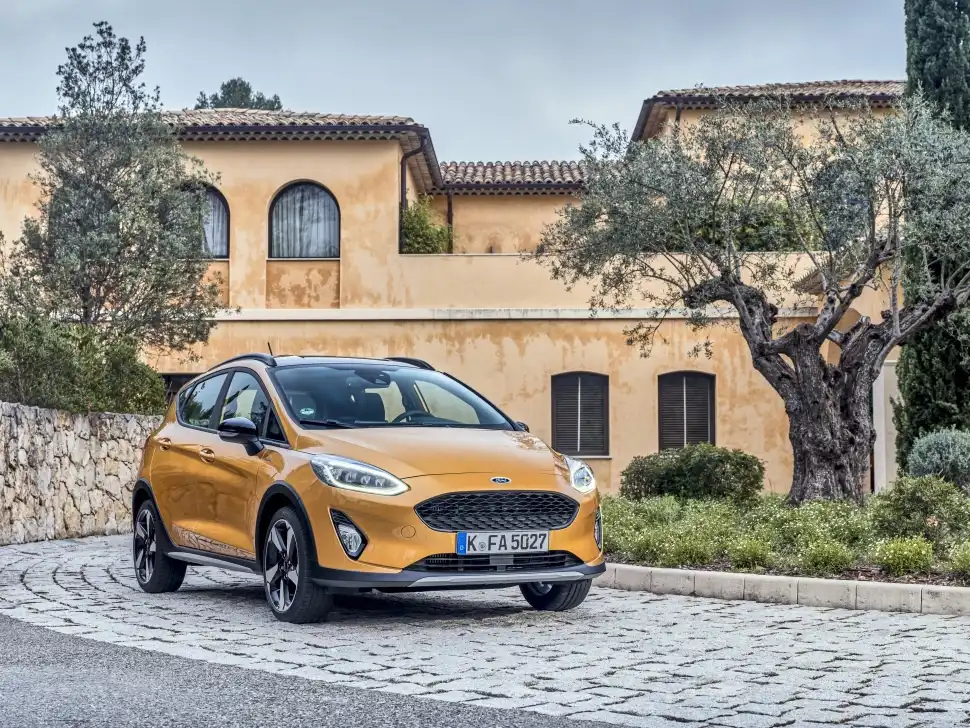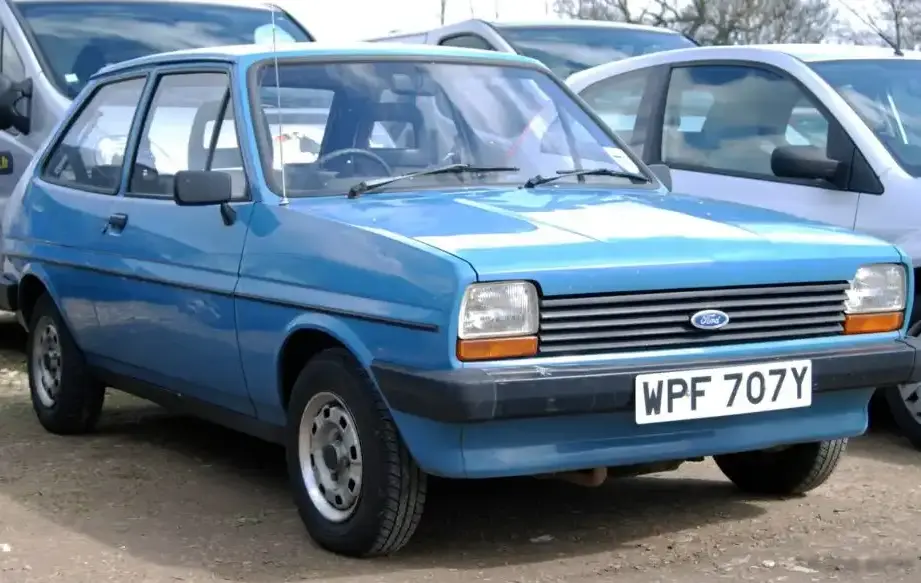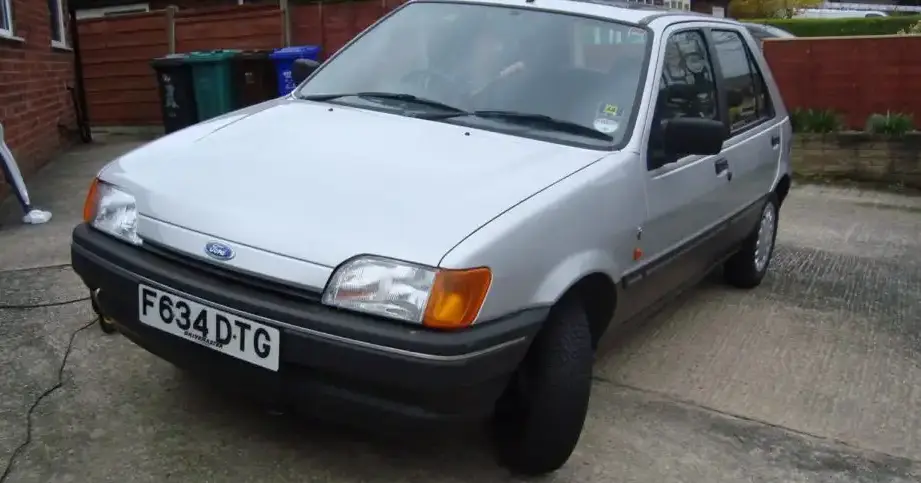
The Ford Fiesta Mk3 1.8 XR2i 16V, produced between 1992 and 1995, represented a performance-oriented variant within the third generation of Ford’s popular supermini. Positioned as the flagship model in the Mk3 Fiesta range, the XR2i 16V aimed to deliver a more engaging driving experience than the standard models, appealing to enthusiasts seeking a sporty and affordable hatchback. It was a key player in the hot hatch segment in Europe, offering a blend of practicality and performance. This model was not officially sold in the United States, but has gained a following among enthusiasts through grey market imports.
Technical Specifications
| Brand | Ford |
| Model | Fiesta |
| Generation | Fiesta III (Mk3) |
| Type (Engine) | 1.8 XR2i 16V (130 Hp) |
| Start of production | 1992 |
| End of production | 1995 |
| Powertrain Architecture | Internal Combustion engine |
| Body type | Hatchback |
| Seats | 5 |
| Doors | 3/5 |
| Fuel consumption (urban) | 9.7 l/100 km (24.2 US mpg) |
| Fuel consumption (extra urban) | 6.2 l/100 km (37.9 US mpg) |
| Fuel consumption (combined) | 8.2 l/100 km (28.7 US mpg) |
| Fuel Type | Petrol (Gasoline) |
| Acceleration 0 – 100 km/h | 8.5 sec |
| Acceleration 0 – 62 mph | 8.5 sec |
| Acceleration 0 – 60 mph | 8.1 sec |
| Maximum speed | 200 km/h (124.27 mph) |
| Weight-to-power ratio | 7 kg/Hp |
| Weight-to-torque ratio | 5.6 kg/Nm |
| Power | 130 Hp @ 6250 rpm |
| Torque | 162 Nm @ 4500 rpm (119.49 lb.-ft. @ 4500 rpm) |
| Engine layout | Front, Transverse |
| Engine Model/Code | RQC |
| Engine displacement | 1796 cm3 (109.6 cu. in.) |
| Number of cylinders | 4 |
| Engine configuration | Inline |
| Cylinder Bore | 80.6 mm (3.17 in.) |
| Piston Stroke | 88 mm (3.46 in.) |
| Number of valves per cylinder | 4 |
| Fuel injection system | Multi-port manifold injection |
| Engine aspiration | Naturally aspirated |
| Valvetrain | DOHC |
| Engine oil capacity | 4.25 l (4.49 US qt | 3.74 UK qt) |
| Coolant capacity | 7 l (7.4 US qt | 6.16 UK qt) |
| Kerb Weight | 907 kg (1999.59 lbs.) |
| Max. weight | 1375 kg (3031.36 lbs.) |
| Max load | 468 kg (1031.76 lbs.) |
| Trunk (boot) space – minimum | 250 l (8.83 cu. ft.) |
| Trunk (boot) space – maximum | 625 l (22.07 cu. ft.) |
| Fuel tank capacity | 42 l (11.1 US gal | 9.24 UK gal) |
| Length | 3743 mm (147.36 in.) |
| Width | 1606 mm (63.23 in.) |
| Height | 1379 mm (54.29 in.) |
| Wheelbase | 2446 mm (96.3 in.) |
| Front track | 1392 mm (54.8 in.) |
| Rear track | 1384 mm (54.49 in.) |
| Drivetrain | Front wheel drive |
| Number of gears | 5 |
| Gearbox type | Manual transmission |
| Front suspension | Independent type McPherson |
| Rear suspension | Spring Strut |
| Front brakes | Ventilated discs |
| Rear brakes | Drum |
| Assisting systems | ABS (Anti-lock braking system) |
| Steering type | Steering rack and pinion |
| Power steering | Hydraulic |
| Tires size | 185/55 R14 |
INTRODUCTION
The Ford Fiesta Mk3 XR2i 16V, launched in 1992, was the performance halo car for the Mk3 Fiesta range. Built on the 1HX0/A3 platform, it aimed to provide a more exciting driving experience than the standard Fiesta models. The XR2i 16V was available in both 3-door and 5-door body styles, catering to a wider range of buyers. It represented a significant upgrade over the earlier XR2 models, boasting a more powerful engine and improved handling characteristics. The “16V” designation referred to the four-valve-per-cylinder cylinder head, a key feature of the engine’s increased performance.
Powertrain & Engine Architecture
At the heart of the XR2i 16V lay the 1.8-liter RQC engine. This naturally aspirated, inline-four cylinder engine featured a dual overhead camshaft (DOHC) valvetrain and multi-port fuel injection. The engine produced 130 horsepower at 6250 rpm and 162 Nm (119.49 lb-ft) of torque at 4500 rpm. The RQC engine was known for its relatively smooth power delivery and willingness to rev. The engine’s design incorporated features aimed at reducing internal friction and improving efficiency. The XR2i 16V was exclusively offered with a five-speed manual transmission, providing drivers with full control over the engine’s power. This transmission was chosen to complement the engine’s performance characteristics and provide a more engaging driving experience. The gearbox ratios were tuned for spirited acceleration and highway cruising.
Driving Characteristics
The Fiesta XR2i 16V offered a noticeably more engaging driving experience compared to the standard Mk3 Fiesta. The 1.8-liter engine provided brisk acceleration, with a 0-60 mph time of around 8.1 seconds and a top speed of 124 mph. While not a true sports car, the XR2i 16V felt lively and responsive on the road. The five-speed manual transmission allowed drivers to keep the engine in its optimal power band, maximizing performance. The suspension was tuned for a balance between comfort and handling, providing a reasonably compliant ride while still offering good body control in corners. The steering was precise and well-weighted, contributing to a confident feel behind the wheel. Compared to the later, more powerful XR2i models, the 1.8-liter version offered a more accessible and manageable power delivery, making it a good choice for drivers who wanted a sporty hatchback without being overwhelmed by excessive power.
Equipment & Trim Levels
The XR2i 16V came with a relatively generous level of standard equipment for its time. Interior features typically included sports seats with enhanced bolstering, a leather-wrapped steering wheel, and a unique instrument cluster with additional gauges. Exterior features included a distinctive body kit, including front and rear spoilers, side skirts, and alloy wheels. Optional extras included a sunroof, central locking, and an upgraded sound system. The interior trim was generally focused on functionality and durability, with a sporty aesthetic. The XR2i 16V’s interior was designed to create a driver-focused environment, with all controls within easy reach.
Chassis & Braking
The Fiesta XR2i 16V featured an independent McPherson strut front suspension and a spring strut rear suspension. This setup provided a good balance between ride comfort and handling. The front brakes were ventilated discs, offering good stopping power, while the rear brakes were drums. Anti-lock braking system (ABS) was standard, enhancing safety. The chassis was reinforced compared to the standard Fiesta models to handle the increased power and stresses of spirited driving. The steering was a rack and pinion system with hydraulic power assistance, providing precise and responsive steering feel. The standard tire size was 185/55 R14, offering a good compromise between grip and ride comfort.
Market Reception & Comparison
The Fiesta XR2i 16V was generally well-received by automotive critics. It was praised for its lively performance, engaging handling, and relatively affordable price. However, some critics noted that the interior was somewhat basic compared to some of its rivals. Compared to other hot hatches of the time, such as the Peugeot 205 GTI and the Volkswagen Polo GTI, the Fiesta XR2i 16V offered a good balance of performance and practicality. It was often seen as a more accessible and affordable alternative to these more expensive rivals. Fuel economy was reasonable for a performance hatchback, averaging around 28.7 US mpg in combined driving. Reliability was generally good, although some owners reported issues with the cooling system and electrical components.
Legacy
The Ford Fiesta Mk3 XR2i 16V has become a popular classic car among enthusiasts. The 1.8-liter RQC engine is known for its durability and relatively simple maintenance requirements. However, finding parts can be challenging as the model is now over 30 years old. The XR2i 16V remains a sought-after model in the used car market, particularly examples that have been well-maintained and are in original condition. It represents a significant chapter in the history of the Ford Fiesta and remains a popular choice for those seeking a classic hot hatch with a sporty character.