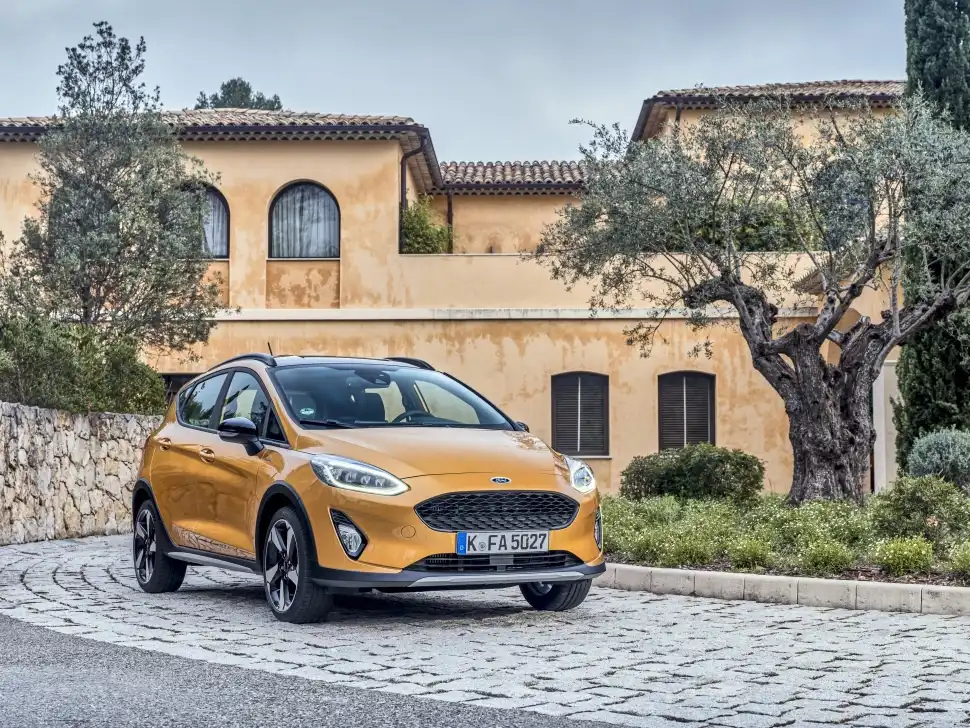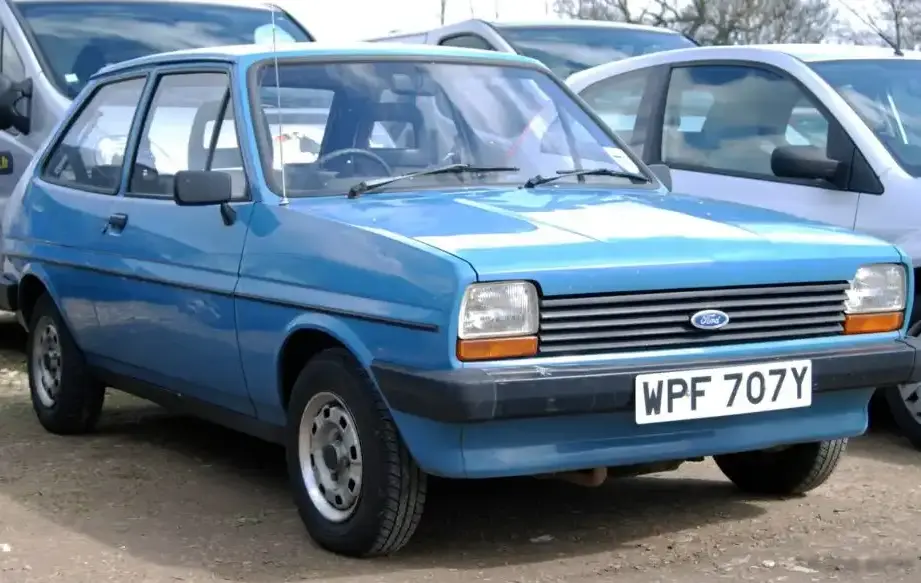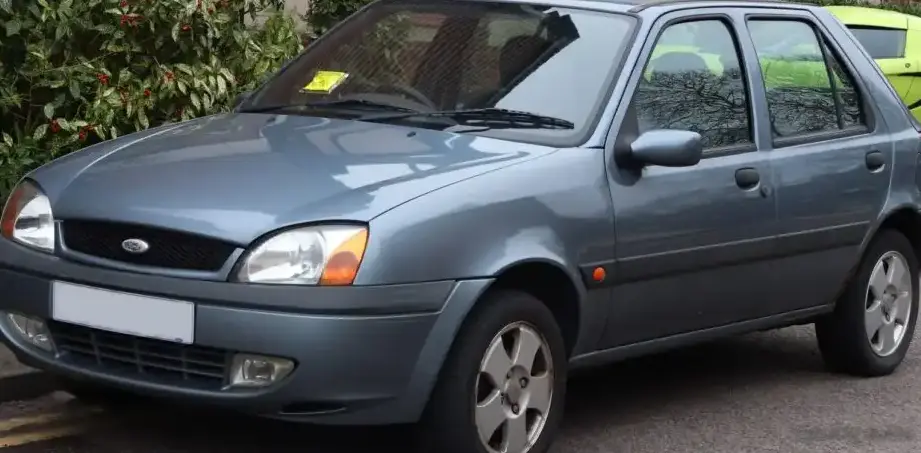
The Ford Fiesta Mk5, produced between 1995 and 2002, represented a significant step forward for Ford’s supermini. The 5-door variant, introduced to cater to families and those prioritizing practicality, became a mainstay in the European market. Among the engine options available, the 1.8 DI (Direct Injection) diesel, producing 75 horsepower, offered a blend of fuel efficiency and reasonable performance. This particular configuration was available from December 1999 to November 2001 and occupied a position as an economical, though not particularly sporty, option within the Fiesta Mk5 range, appealing to buyers focused on low running costs. It sat below the more powerful petrol variants and above the base 1.4L diesel in terms of price and performance.
Technical Specifications
| Brand | Ford |
| Model | Fiesta |
| Generation | Fiesta V (Mk5) 5 door |
| Type (Engine) | 1.8 DI (75 Hp) |
| Start of production | December, 1999 |
| End of production | November, 2001 |
| Powertrain Architecture | Internal Combustion engine |
| Body type | Hatchback |
| Seats | 5 |
| Doors | 5 |
| Fuel consumption (urban) | 6.5 l/100 km (36.2 US mpg, 43.5 UK mpg, 15.4 km/l) |
| Fuel consumption (combined) | 5 l/100 km (47 US mpg, 56.5 UK mpg, 20 km/l) |
| CO2 emissions | 136 g/km |
| Fuel Type | Diesel |
| Acceleration 0 – 100 km/h | 14.3 sec |
| Acceleration 0 – 62 mph | 14.3 sec |
| Acceleration 0 – 60 mph | 13.6 sec |
| Maximum speed | 168 km/h (104.39 mph) |
| Weight-to-power ratio | 14.1 kg/Hp, 71 Hp/tonne |
| Weight-to-torque ratio | 7.6 kg/Nm, 132.5 Nm/tonne |
| Power | 75 Hp @ 4000 rpm |
| Power per litre | 42.8 Hp/l |
| Torque | 140 Nm @ 1900 rpm (103.26 lb.-ft. @ 1900 rpm) |
| Engine layout | Front, Transverse |
| Engine Model/Code | RTN, RTP, RTQ |
| Engine displacement | 1753 cm3 (106.97 cu. in.) |
| Number of cylinders | 4 |
| Engine configuration | Inline |
| Cylinder Bore | 82.5 mm (3.25 in.) |
| Piston Stroke | 82 mm (3.23 in.) |
| Compression ratio | 19.4:1 |
| Number of valves per cylinder | 2 |
| Fuel injection system | Diesel Commonrail |
| Engine aspiration | Turbocharger |
| Engine oil capacity | 5.6 l (5.92 US qt | 4.93 UK qt) |
| Coolant | 9.3 l (9.83 US qt | 8.18 UK qt) |
| Kerb Weight | 1057 kg (2330.29 lbs.) |
| Max. weight | 1475 kg (3251.82 lbs.) |
| Max load | 418 kg (921.53 lbs.) |
| Trunk (boot) space – minimum | 250 l (8.83 cu. ft.) |
| Trunk (boot) space – maximum | 930 l (32.84 cu. ft.) |
| Fuel tank capacity | 40 l (10.57 US gal | 8.8 UK gal) |
| Length | 3833 mm (150.91 in.) |
| Width | 1634 mm (64.33 in.) |
| Height | 1334 mm (52.52 in.) |
| Wheelbase | 2446 mm (96.3 in.) |
| Front track | 1429 mm (56.26 in.) |
| Rear (Back) track | 1384 mm (54.49 in.) |
| Minimum turning circle | 9.9 m (32.48 ft.) |
| Drivetrain Architecture | The Internal combustion engine (ICE) drives the front wheels of the vehicle. |
| Drive wheel | Front wheel drive |
| Number of gears | 5 gears, manual transmission |
| Front suspension | Coil spring |
| Rear suspension | Coil spring |
| Front brakes | Disc |
| Rear brakes | Drum |
| Assisting systems | ABS (Anti-lock braking system) |
| Steering type | Steering rack and pinion |
| Power steering | Hydraulic Steering |
| Tires size | 175/65 R14 |
Powertrain & Engine Architecture
The heart of this Fiesta variant is the 1.8-liter RTN, RTP, or RTQ diesel engine. This engine utilizes direct injection technology, a relatively new advancement for diesel engines at the time, and a turbocharger to boost power output. The common rail direct injection system allowed for more precise fuel delivery, improving combustion efficiency and reducing emissions compared to older diesel designs. The engine features a single overhead camshaft (SOHC) operating two valves per cylinder. The 1.8 DI engine produced 75 horsepower at 4000 rpm and 140 Nm (103 lb-ft) of torque at a low 1900 rpm. This torque curve provided reasonable pulling power for everyday driving. The engine was typically paired with a five-speed manual transmission, although an automatic transmission was also available, albeit less common. The automatic transmission, a four-speed unit, was geared for economy rather than performance.
Driving Characteristics
The 1.8 DI Fiesta Mk5, particularly with the manual transmission, offered a practical and economical driving experience. Acceleration was modest, taking around 14.3 seconds to reach 62 mph, but the engine’s torque made it feel more responsive in everyday traffic. The automatic transmission, while providing convenience, further dulled acceleration and resulted in a less engaging driving experience. Gear ratios were optimized for fuel efficiency, meaning the engine often felt strained when attempting brisk acceleration. Handling was typical of the Fiesta Mk5 – light and nimble, but not particularly sporty. The suspension provided a comfortable ride, absorbing bumps reasonably well, but body roll was noticeable in corners.
Equipment & Trim Levels
The 1.8 DI variant typically came equipped with basic features as standard, including power steering, central locking, and an adjustable steering column. Interior trim was functional rather than luxurious, with cloth upholstery and a simple dashboard layout. Optional extras included air conditioning, electric windows, and an upgraded audio system. The trim level often dictated the availability of these options, with higher trims offering more standard features. The 5-door body style added to the practicality, providing easier access to the rear seats, making it a popular choice for families.
Chassis & Braking
The Fiesta Mk5 utilized a MacPherson strut front suspension and a twist-beam rear suspension. This setup provided a good balance between ride comfort and handling. Braking was typically handled by disc brakes on the front wheels and drum brakes on the rear, adequate for the vehicle’s weight and performance. Anti-lock Braking System (ABS) was often included as standard, enhancing safety. The steering was rack and pinion, providing precise and responsive steering feel.
Market Reception & Comparison
The 1.8 DI Fiesta Mk5 was generally well-received as an economical and practical option. Critics praised its fuel efficiency and low running costs, but noted its lack of outright performance. Compared to the petrol-powered Fiesta variants, the 1.8 DI offered significantly better fuel economy but lacked the responsiveness and refinement of the gasoline engines. Against other diesel-powered superminis of the time, such as the Peugeot 206 HDi, the Fiesta 1.8 DI offered a competitive package, though some rivals offered more sophisticated engine technology.
Legacy
The 1.8 DI engine, while not known for being particularly groundbreaking, proved to be relatively reliable. Common issues included turbocharger wear and potential problems with the fuel injection system, but these were not widespread. Today, the Fiesta Mk5 1.8 DI represents an affordable and practical classic car. Its simplicity and relatively low maintenance costs make it an appealing option for those seeking a reliable and economical runabout. Parts availability is generally good, and the Fiesta Mk5 retains a loyal following among enthusiasts.