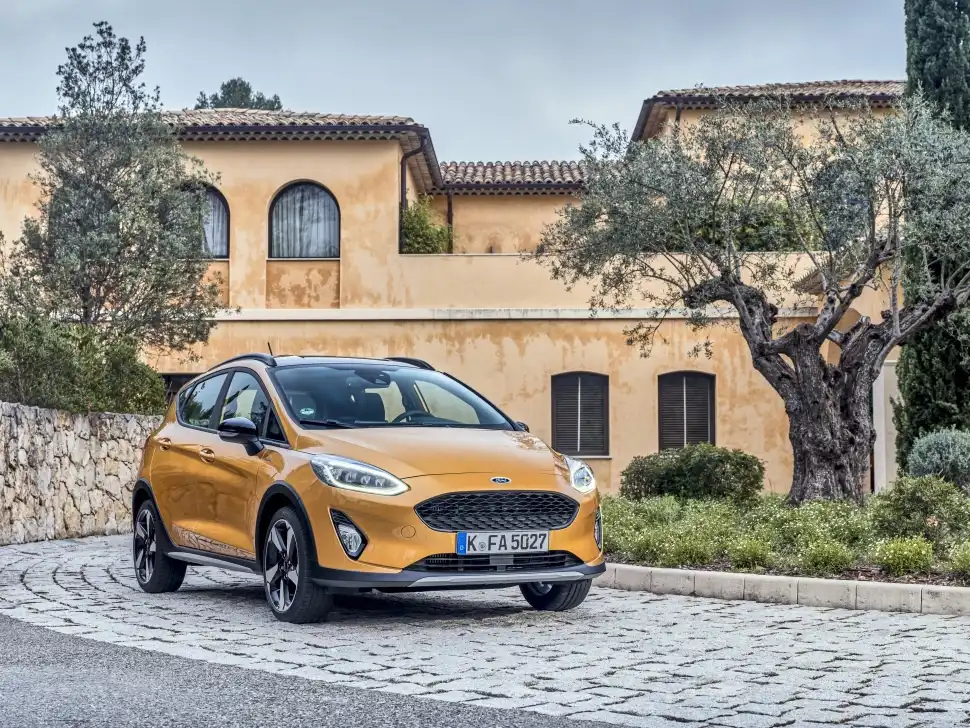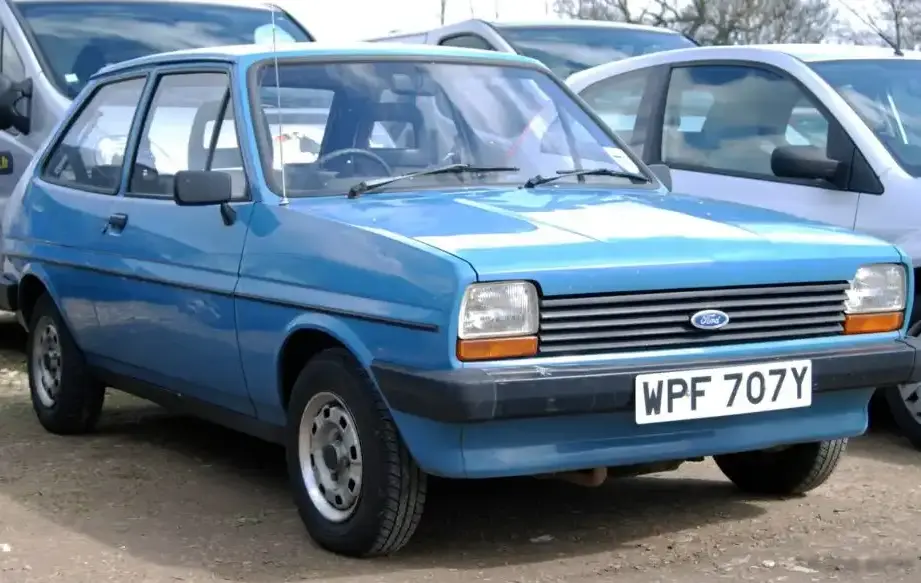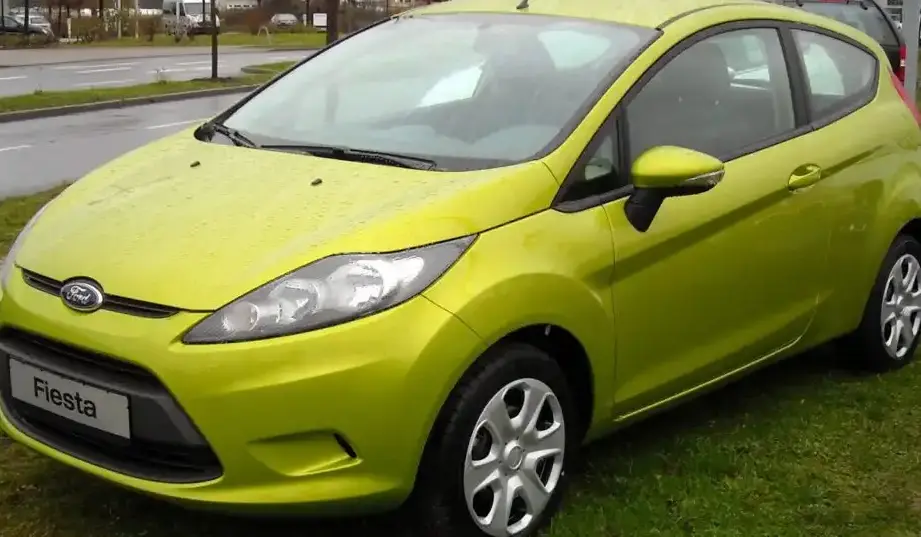
The Ford Fiesta Mk7, produced from 2008 to 2019, represented a significant leap forward for Ford’s supermini. The 3-door 1.6 TDCi variant, specifically the 95 horsepower version available from 2010 to 2012, occupied a key position in the lineup, offering a balance between fuel efficiency and reasonable performance. This model aimed to appeal to buyers seeking a practical, economical, and relatively refined hatchback, particularly in European markets where smaller cars are highly popular. It was positioned as a step up from the base 1.25-liter petrol engine, offering more torque and better fuel economy, but remained more accessible than the higher-performance Zetec S models.
Technical Specifications
| Brand | Ford |
| Model | Fiesta |
| Generation | Fiesta VII (Mk7) 3 door |
| Type (Engine) | 1.6 TDCi (95 Hp) |
| Start of production | March, 2010 |
| End of production | 2012 |
| Powertrain Architecture | Internal Combustion engine |
| Body type | Hatchback |
| Seats | 5 |
| Doors | 3 |
| Fuel consumption (urban) | 4.9 l/100 km (48 US mpg, 57.6 UK mpg, 20.4 km/l) |
| Fuel consumption (extra urban) | 3.6 l/100 km (65.3 US mpg, 78.5 UK mpg, 27.8 km/l) |
| Fuel consumption (combined) | 4.1 l/100 km (57.4 US mpg, 68.9 UK mpg, 24.4 km/l) |
| CO2 emissions | 107 g/km |
| Fuel Type | Diesel |
| Acceleration 0 – 100 km/h | 11.8 sec |
| Acceleration 0 – 62 mph | 11.8 sec |
| Acceleration 0 – 60 mph | 11.2 sec |
| Maximum speed | 175 km/h (108.74 mph) |
| Emission standard | Euro 5 |
| Weight-to-power ratio | 11.6 kg/Hp, 86.4 Hp/tonne |
| Weight-to-torque ratio | 5.4 kg/Nm, 186.4 Nm/tonne |
| Power | 95 Hp @ 4000 rpm |
| Power per litre | 60.9 Hp/l |
| Torque | 205 Nm @ 2000 rpm (151.2 lb.-ft. @ 2000 rpm) |
| Engine layout | Front, Transverse |
| Engine Model/Code | TZJB |
| Engine displacement | 1560 cm3 (95.2 cu. in.) |
| Number of cylinders | 4 |
| Engine configuration | Inline |
| Cylinder Bore | 75 mm (2.95 in.) |
| Piston Stroke | 88.3 mm (3.48 in.) |
| Number of valves per cylinder | 4 |
| Fuel injection system | Diesel Commonrail |
| Engine aspiration | Turbocharger, Intercooler |
| Valvetrain | DOHC |
| Engine oil capacity | 3.85 l (4.07 US qt | 3.39 UK qt) |
| Kerb Weight | 1100 kg (2425.08 lbs.) |
| Max. weight | 1540 kg (3395.12 lbs.) |
| Max load | 440 kg (970.03 lbs.) |
| Trunk (boot) space – minimum | 295 l (10.42 cu. ft.) |
| Trunk (boot) space – maximum | 979 l (34.57 cu. ft.) |
| Fuel tank capacity | 45 l (11.89 US gal | 9.9 UK gal) |
| Max. roof load | 50 kg (110.23 lbs.) |
| Length | 3950 mm (155.51 in.) |
| Width | 1722 mm (67.8 in.) |
| Width including mirrors | 1973 mm (77.68 in.) |
| Height | 1481 mm (58.31 in.) |
| Wheelbase | 2489 mm (97.99 in.) |
| Front track | 1493 mm (58.78 in.) |
| Rear (Back) track | 1480 mm (58.27 in.) |
| Minimum turning circle | 10.2 m (33.46 ft.) |
| Drivetrain Architecture | Front wheel drive |
| Number of gears and type of gearbox | 5 gears, manual transmission |
| Front suspension | Independent, type McPherson with coil spring and anti-roll bar |
| Rear suspension | Coil spring, Torsion |
| Front brakes | Ventilated discs |
| Rear brakes | Drum |
| Assisting systems | ABS (Anti-lock braking system) |
| Steering type | Steering rack and pinion |
| Power steering | Electric Steering |
| Tires size | 175/65 R14 |
| Wheel rims size | 5.5J x 14 |
INTRODUCTION
The Fiesta Mk7 1.6 TDCi 95hp, launched in 2010, was a key component of Ford’s strategy to offer a diverse range of efficient and affordable vehicles. Built on the global B-platform (also known as the 1HX0/A3 platform, shared with the Mazda 2), this variant aimed to provide a compelling alternative to petrol-powered models, capitalizing on the growing demand for diesel engines in Europe due to their superior fuel economy and lower CO2 emissions. The three-door body style further emphasized its sporty and youthful appeal, targeting a demographic seeking a practical yet stylish city car.
Powertrain & Engine Architecture
At the heart of this Fiesta variant lies the 1.6-liter TZJB Duratorque diesel engine. This engine is a four-cylinder, inline configuration, utilizing a common-rail direct injection system. The TDCi (Turbo Diesel Common Injection) technology allowed for precise fuel delivery, optimizing combustion and maximizing efficiency. The engine featured a turbocharger with an intercooler, boosting power output to 95 horsepower at 4000 rpm and 205 Nm (151.2 lb-ft) of torque at 2000 rpm. The engine employed a double overhead camshaft (DOHC) valvetrain with four valves per cylinder, contributing to its responsive nature. The 5-speed manual transmission was the standard offering, chosen for its balance of cost-effectiveness and driver engagement. While an automatic transmission was available on other Fiesta models, it wasn’t offered with this specific engine and power output.
Driving Characteristics
The 1.6 TDCi 95hp Fiesta offered a noticeable step up in performance compared to the smaller 1.25-liter petrol engine. While not a particularly fast car, the increased torque provided ample pulling power for everyday driving, making it comfortable for both city commutes and longer journeys. The 0-60 mph acceleration time of around 11.2 seconds and a top speed of 108.74 mph were respectable for its class. The gear ratios were tuned for fuel efficiency, meaning the engine didn’t feel overly stressed at highway speeds. However, this also meant that frequent downshifts were required when overtaking or climbing hills. Compared to the higher-output 1.6 TDCi variants, this 95hp version felt less eager to rev, prioritizing fuel economy over outright performance. The manual transmission provided a direct and engaging driving experience, although the shift quality wasn’t as refined as some of its competitors.
Equipment & Trim Levels
The 1.6 TDCi 95hp Fiesta was typically offered in mid-range trim levels, such as Style or Zetec. Standard equipment generally included air conditioning, power steering, electric front windows, a CD player with auxiliary input, and ABS brakes. Higher trim levels added features like alloy wheels, front fog lights, a leather-wrapped steering wheel, and upgraded interior trim. Optional extras included a trip computer, parking sensors, and a panoramic sunroof. The interior design was functional and modern, with a focus on ergonomics and practicality. Upholstery was typically cloth, with a range of colors and patterns available.
Chassis & Braking
The Fiesta Mk7 utilized a McPherson strut front suspension and a torsion beam rear suspension. This setup provided a good balance between ride comfort and handling. The front brakes were ventilated discs, offering adequate stopping power, while the rear brakes were drums, a cost-saving measure common in this segment. The electric power steering provided light and precise steering feel, making it easy to maneuver in tight spaces. The chassis was relatively lightweight, contributing to the car’s agility and fuel efficiency. Stabilizer bars were fitted to both the front and rear axles to reduce body roll during cornering.
Market Reception & Comparison
The Fiesta Mk7 1.6 TDCi 95hp was generally well-received by automotive critics. It was praised for its fuel efficiency, comfortable ride, and practical interior. However, some reviewers noted that the engine could be a bit noisy and that the performance wasn’t particularly exciting. Compared to the petrol-powered Fiesta models, the 1.6 TDCi offered significantly better fuel economy, making it a popular choice for high-mileage drivers. Compared to the higher-output diesel variants, it represented a more affordable option, albeit with slightly less performance. Rivals such as the Volkswagen Polo, Renault Clio, and Peugeot 207 offered similar levels of practicality and efficiency, but the Fiesta often stood out for its engaging driving dynamics and stylish design.
Legacy
The 1.6 TDCi engine proved to be relatively reliable, although some owners have reported issues with the diesel particulate filter (DPF), particularly on cars that are primarily used for short journeys. Regular servicing and the use of high-quality diesel fuel are essential for maintaining the engine’s longevity. Today, the Fiesta Mk7 1.6 TDCi 95hp remains a popular choice in the used car market, offering a compelling combination of affordability, fuel efficiency, and practicality. Its relatively simple mechanicals and readily available spare parts make it a relatively easy car to maintain, ensuring its continued presence on roads for years to come.