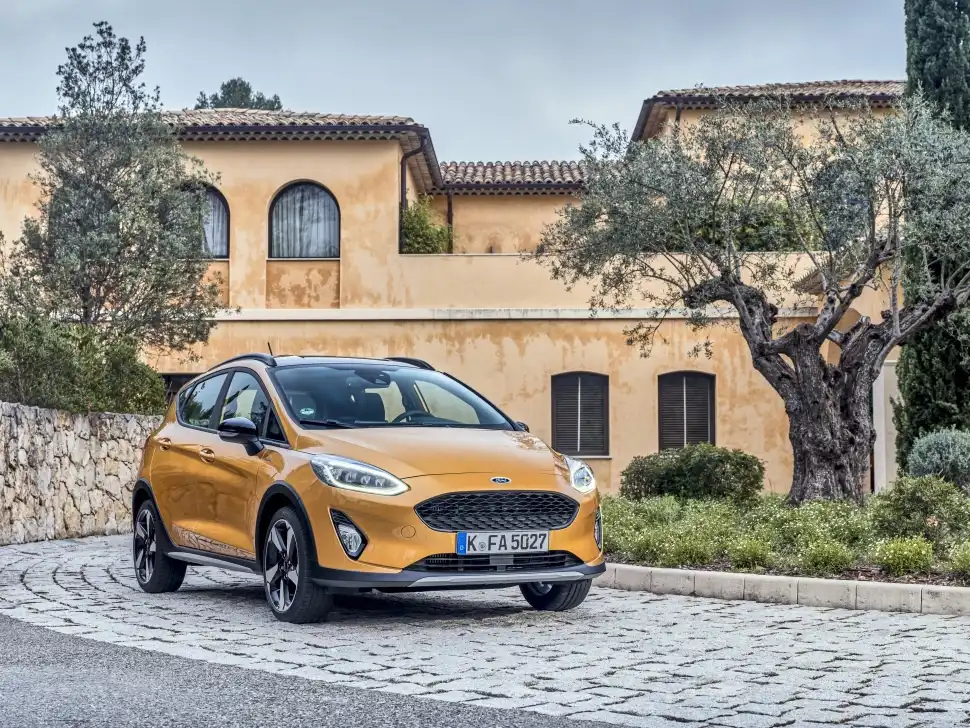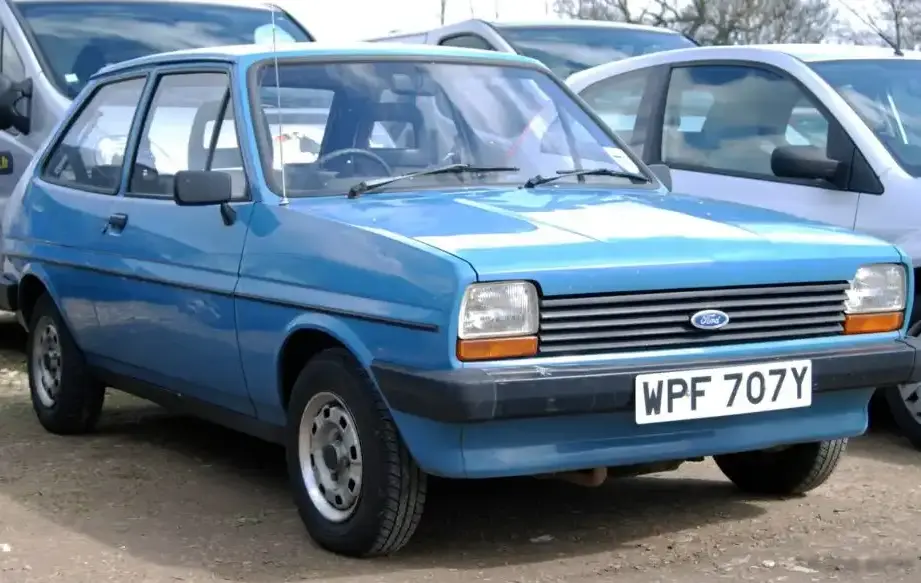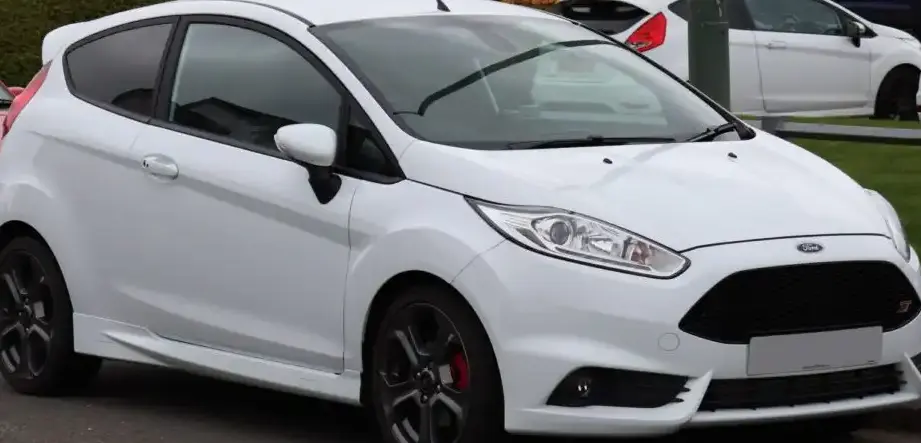
The Ford Fiesta ST 1.6 EcoBoost, produced from 2016 to 2017, represents the high-performance variant of the seventh-generation Fiesta (Mk7, facelift). Positioned as the flagship model within the Fiesta range, it offered a significant performance upgrade over the standard Fiesta models. This three-door hatchback was designed to appeal to enthusiasts seeking a fun-to-drive, yet practical, hot hatch. It built upon the foundation of the Mk7 Fiesta, which itself was a significant update to the sixth-generation model, offering improved refinement, technology, and styling. The 2016-2017 ST was a key player in Ford’s strategy to deliver engaging driving experiences in smaller, more accessible packages.
Technical Specifications
| Brand | Ford |
| Model | Fiesta |
| Generation | Fiesta VII (Mk7, facelift 2013) 3 door |
| Type (Engine) | ST 1.6 EcoBoost (200 Hp) |
| Start of production | 2016 |
| End of production | 2017 |
| Powertrain Architecture | Internal Combustion engine |
| Body type | Hatchback |
| Seats | 5 |
| Doors | 3 |
| Fuel consumption (urban) | 8.2 l/100 km (28.7 US mpg, 34.4 UK mpg, 12.2 km/l) |
| Fuel consumption (extra urban) | 4.9 l/100 km (48 US mpg, 57.6 UK mpg, 20.4 km/l) |
| Fuel consumption (combined) | 6.1 l/100 km (38.6 US mpg, 46.3 UK mpg, 16.4 km/l) |
| CO2 emissions | 140 g/km |
| Fuel Type | Petrol (Gasoline) |
| Acceleration 0 – 100 km/h | 6.7 sec |
| Acceleration 0 – 62 mph | 6.7 sec |
| Acceleration 0 – 60 mph | 6.4 sec |
| Maximum speed | 230 km/h (142.92 mph) |
| Emission standard | Euro 5 |
| Weight-to-power ratio | 5.4 kg/Hp, 183.8 Hp/tonne |
| Weight-to-torque ratio | 3.8 kg/Nm, 266.5 Nm/tonne |
| Power | 200 Hp @ 6000 rpm |
| Power per litre | 125.3 Hp/l |
| Torque | 290 Nm @ 2500-4000 rpm (213.89 lb.-ft. @ 2500-4000 rpm) |
| Engine layout | Front, Transverse |
| Engine Model/Code | JTJC |
| Engine displacement | 1596 cm3 (97.39 cu. in.) |
| Number of cylinders | 4 |
| Engine configuration | Inline |
| Cylinder Bore | 79 mm (3.11 in.) |
| Piston Stroke | 81.4 mm (3.2 in.) |
| Compression ratio | 10.1:1 |
| Number of valves per cylinder | 4 |
| Fuel injection system | Direct injection |
| Engine aspiration | Turbocharger, Intercooler |
| Valvetrain | DOHC |
| Engine oil capacity | 4.05 l (4.28 US qt | 3.56 UK qt) |
| Coolant | 6.2 l (6.55 US qt | 5.46 UK qt) |
| Kerb Weight | 1088 kg (2398.63 lbs.) |
| Max. weight | 1575 kg (3472.28 lbs.) |
| Max load | 487 kg (1073.65 lbs.) |
| Trunk (boot) space – minimum | 276 l (9.75 cu. ft.) |
| Trunk (boot) space – maximum | 960 l (33.9 cu. ft.) |
| Fuel tank capacity | 48 l (12.68 US gal | 10.56 UK gal) |
| Length | 3982 mm (156.77 in.) |
| Width | 1709 mm (67.28 in.) |
| Width with mirrors folded | 1787 mm (70.35 in.) |
| Width including mirrors | 1978 mm (77.87 in.) |
| Height | 1456 mm (57.32 in.) |
| Wheelbase | 2489 mm (97.99 in.) |
| Minimum turning circle | 11.2 m (36.75 ft.) |
| Drivetrain Architecture | Front wheel drive |
| Number of gears and type of gearbox | 6 gears, manual transmission |
| Front suspension | Independent type McPherson |
| Rear suspension | Semi-independent, coil spring |
| Front brakes | Ventilated discs |
| Rear brakes | Disc |
| Assisting systems | ABS (Anti-lock braking system) |
| Steering type | Steering rack and pinion |
| Power steering | Electric Steering |
| Tires size | 205/40 R17 |
| Wheel rims size | 7.5J x 17 |
Powertrain & Engine Architecture
The heart of the Fiesta ST is the 1.6-liter EcoBoost inline-four cylinder engine, designated JTJC. This engine is a direct-injected, turbocharged powerplant, representing Ford’s advancements in downsized engine technology. The EcoBoost engine features a twin-independent variable camshaft timing (Ti-VCT) system, optimizing valve timing for improved performance and fuel efficiency. The turbocharger, coupled with an intercooler, provides a significant boost in power output. The engine produces 200 horsepower at 6000 rpm and 290 Nm (213.89 lb-ft) of torque between 2500 and 4000 rpm. This power is delivered through a six-speed manual transmission, chosen for its driver engagement and responsiveness. The engine’s architecture prioritizes a balance between performance and efficiency, utilizing technologies like direct injection and turbocharging to maximize power while minimizing fuel consumption.
Driving Characteristics
The Fiesta ST 1.6 EcoBoost delivers a noticeably engaging driving experience. The 200 hp output, combined with the relatively lightweight chassis (1088 kg / 2398.63 lbs), results in brisk acceleration – 0 to 60 mph in approximately 6.4 seconds. The turbocharger provides a surge of power in the mid-range, making overtaking maneuvers effortless. The six-speed manual transmission features closely spaced gear ratios, keeping the engine within its optimal power band. Compared to lower-powered Fiesta variants, the ST offers significantly improved responsiveness and handling. While the standard Fiesta models prioritize comfort and fuel economy, the ST is tuned for a more sporty and dynamic ride. The steering is precise and well-weighted, providing good feedback to the driver. The suspension is firmer, reducing body roll and enhancing cornering stability.
Equipment & Trim Levels
The Fiesta ST came well-equipped as standard, focusing on enhancing the driving experience and sporty aesthetics. Standard features included sports seats with enhanced bolstering, a unique ST body kit (including a rear spoiler and side skirts), alloy wheels, and air conditioning. The interior featured a leather-wrapped steering wheel and gear knob, as well as aluminum pedals. Optional extras included a Sony sound system, navigation system, and heated front seats. The interior trim was typically dark, with accents of red stitching to emphasize the sporty character. The ST trim level was the highest available on the Fiesta, offering a comprehensive package of performance and features.
Chassis & Braking
The Fiesta ST benefits from a revised chassis and braking system compared to standard Fiesta models. The front suspension utilizes an independent McPherson strut setup, while the rear suspension employs a semi-independent twist beam configuration. The suspension is tuned with stiffer springs and dampers to improve handling and reduce body roll. The braking system features ventilated front discs and solid rear discs, providing ample stopping power. Anti-lock Braking System (ABS) is standard. The chassis modifications contribute to a more planted and controlled feel, enhancing the car’s overall agility.
Market Reception & Comparison
The Ford Fiesta ST 1.6 EcoBoost was widely praised by automotive critics for its engaging driving dynamics, responsive engine, and affordable price point. It was often compared favorably to rivals such as the Volkswagen Polo GTI and the Renault Clio RS. Critics noted the ST’s superior handling and steering feel compared to some competitors. Fuel economy was also considered respectable for a hot hatch, with combined figures around 6.1 l/100 km (38.6 US mpg). Reliability was generally good, although some owners reported minor issues with the turbocharger and cooling system. The Fiesta ST offered a compelling combination of performance, practicality, and value, making it a popular choice among enthusiasts.
Legacy
The Fiesta ST 1.6 EcoBoost has established a strong following in the used car market. Its reputation for fun-to-drive dynamics and relatively affordable maintenance costs has made it a desirable option for those seeking a sporty and engaging hatchback. While the later Fiesta ST models (with the 1.5-liter EcoBoost engine) offer increased power, the 1.6-liter version remains a popular choice due to its proven reliability and characterful engine. The powertrain, while not without its minor quirks, has proven to be durable and capable of handling spirited driving. The Fiesta ST 1.6 EcoBoost represents a high point in Ford’s hot hatch lineage, and continues to be appreciated by enthusiasts today.