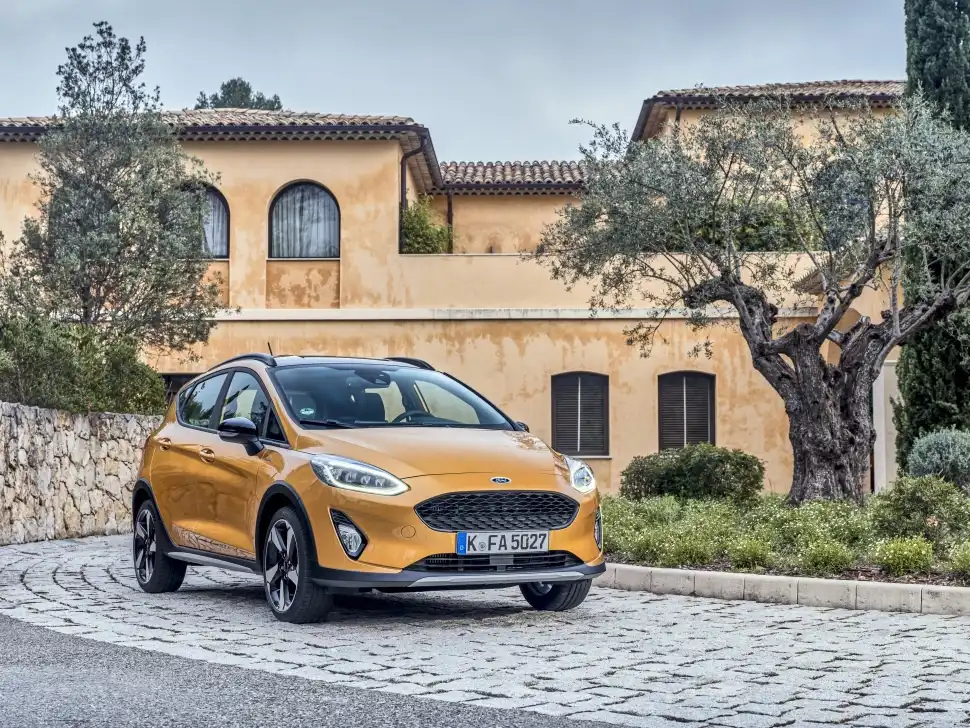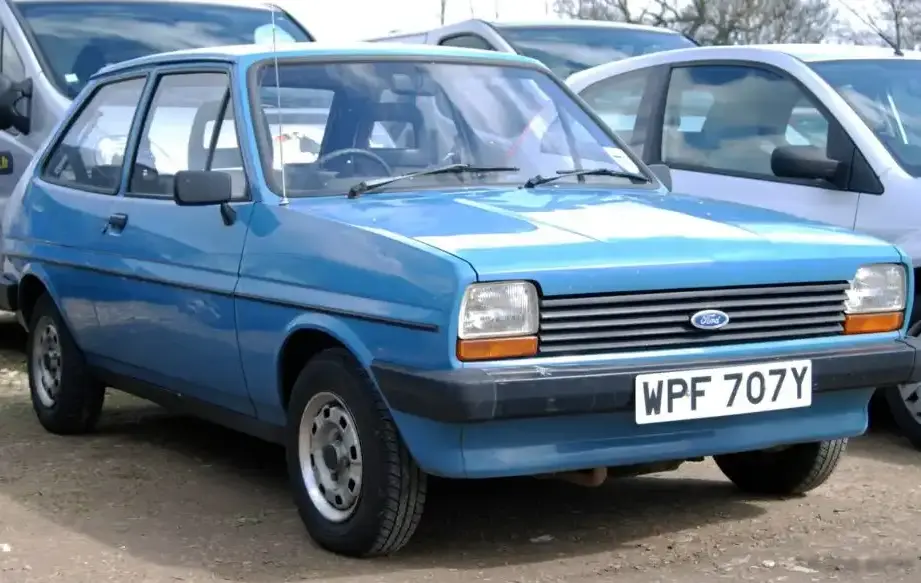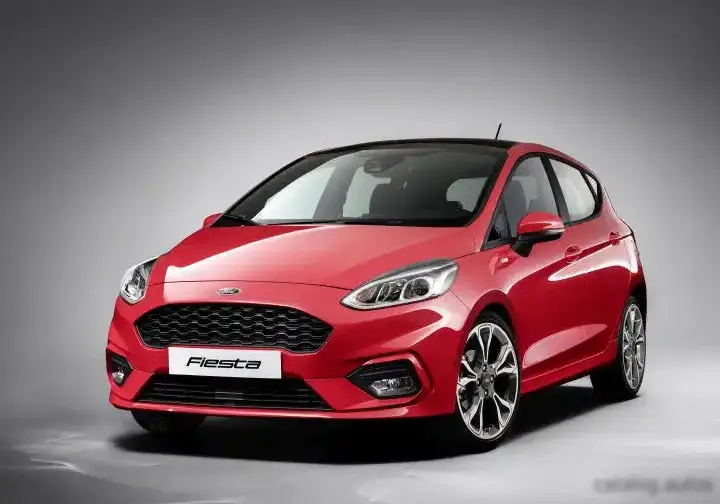
The Ford Fiesta Mk8, produced from 2017 to 2020, represented a significant evolution for Ford’s long-running supermini. Among the various engine and trim combinations offered, the 1.0 EcoBoost 100 horsepower variant with a six-speed manual transmission occupied a key position in the lineup, appealing to buyers seeking a balance of fuel efficiency, affordability, and reasonable performance. This version was a mainstay of the Fiesta Mk8 range, particularly in European markets, where smaller displacement engines are favored due to taxation and fuel costs. It served as a stepping stone between the base specification models and the more powerful, performance-oriented trims.
Technical Specifications
| Brand | Ford |
| Model | Fiesta |
| Generation | Fiesta VIII (Mk8) 5 door |
| Type (Engine) | 1.0 EcoBoost (100 Hp) Start-Stop |
| Start of production | 2017 |
| End of production | 2020 |
| Powertrain Architecture | Internal Combustion engine |
| Body type | Hatchback |
| Seats | 5 |
| Doors | 5 |
| Fuel consumption (urban) | 5.4 l/100 km (43.6 US mpg, 52.3 UK mpg, 18.5 km/l) |
| Fuel consumption (extra urban) | 3.6 l/100 km (65.3 US mpg, 78.5 UK mpg, 27.8 km/l) |
| Fuel consumption (combined) | 4.3 l/100 km (54.7 US mpg, 65.7 UK mpg, 23.3 km/l) |
| CO2 emissions | 97 g/km |
| Fuel Type | Petrol (Gasoline) |
| Acceleration 0 – 100 km/h | 10.5 sec |
| Acceleration 0 – 62 mph | 10.5 sec |
| Acceleration 0 – 60 mph | 10 sec |
| Maximum speed | 183 km/h (113.71 mph) |
| Emission standard | Euro 6 |
| Weight-to-power ratio | 10.9 kg/Hp, 91.9 Hp/tonne |
| Weight-to-torque ratio | 6.4 kg/Nm, 156.3 Nm/tonne |
| Power | 100 Hp @ 4500-6500 rpm |
| Power per litre | 100.2 Hp/l |
| Torque | 170 Nm @ 1500-4000 rpm (125.39 lb.-ft. @ 1500-4000 rpm) |
| Engine layout | Front, Transverse |
| Engine Model/Code | SFJE, SFJF, SFJH, SFJJ, SFJK, SFJN, SFJP |
| Engine displacement | 998 cm3 (60.9 cu. in.) |
| Number of cylinders | 3 |
| Engine configuration | Inline |
| Cylinder Bore | 71.9 mm (2.83 in.) |
| Piston Stroke | 82 mm (3.23 in.) |
| Compression ratio | 10:1 |
| Number of valves per cylinder | 4 |
| Fuel injection system | Direct injection |
| Engine aspiration | Turbocharger, Intercooler |
| Valvetrain | DOHC, Ti-VCT |
| Engine oil capacity | 4.6 l (4.86 US qt | 4.05 UK qt) |
| Coolant | 5.8 l (6.13 US qt | 5.1 UK qt) |
| Kerb Weight | 1088-1163 kg (2398.63 – 2563.98 lbs.) |
| Max. weight | 1650-1665 kg (3637.63 – 3670.7 lbs.) |
| Max load | 502-562 kg (1106.72 – 1239 lbs.) |
| Trunk (boot) space – minimum | 303 l (10.7 cu. ft.) |
| Trunk (boot) space – maximum | 984 l (34.75 cu. ft.) |
| Fuel tank capacity | 42 l (11.1 US gal | 9.24 UK gal) |
| Max. roof load | 50 kg (110.23 lbs.) |
| Permitted trailer load with brakes (12%) | 1000 kg (2204.62 lbs.) |
| Permitted trailer load without brakes | 580 kg (1278.68 lbs.) |
| Permitted towbar download | 65 kg (143.3 lbs.) |
| Length | 4040-4065 mm (159.06 – 160.04 in.) |
| Width | 1735 mm (68.31 in.) |
| Width with mirrors folded | 1783 mm (70.2 in.) |
| Width including mirrors | 1941 mm (76.42 in.) |
| Height | 1466-1476 mm (57.72 – 58.11 in.) |
| Wheelbase | 2493 mm (98.15 in.) |
| Drivetrain | Front wheel drive |
| Number of gears and type of gearbox | 6 gears, manual transmission |
| Front suspension | Independent, type McPherson with coil spring and anti-roll bar |
| Rear suspension | Semi-independent, coil spring, Elastic beam |
| Front brakes | Ventilated discs |
| Rear brakes | Drum |
INTRODUCTION
The Ford Fiesta Mk8, launched in 2017, represented a significant redesign of Ford’s popular supermini. Built on the global B-platform, it shared underpinnings with the Ford EcoSport and the second-generation Focus. The 1.0 EcoBoost 100 PS variant, equipped with a six-speed manual transmission, was a core model in the range, offering a compelling blend of efficiency and usability. This engine and transmission combination was aimed at drivers who prioritized fuel economy and lower running costs without sacrificing all driving enjoyment. It was positioned as an upgrade from the lower-powered 1.0 EcoBoost 65 PS version, offering noticeably more performance for a modest price increase.
Powertrain & Engine Architecture
The heart of this Fiesta variant is the 1.0-liter EcoBoost three-cylinder engine, specifically utilizing engine codes such as SFJE, SFJF, SFJH, SFJJ, SFJK, SFJN, and SFJP depending on the specific market and year of production. This engine is a marvel of downsizing technology, employing a turbocharger and direct fuel injection to deliver a surprising amount of power from such a small displacement. The direct injection system, coupled with variable valve timing (Ti-VCT), optimizes combustion efficiency and responsiveness. The engine’s aluminum block contributes to weight savings, further enhancing fuel economy. The six-speed manual transmission provides precise gear changes and helps to keep the engine operating within its optimal power band. The transmission’s gear ratios are tuned for a balance of acceleration and fuel efficiency, with a relatively long sixth gear for highway cruising.
Driving Characteristics
The 100 horsepower EcoBoost engine provides adequate performance for everyday driving. Acceleration from 0-60 mph takes around 10.5 seconds, which is competitive within the supermini segment. While not a particularly sporty setup, the engine delivers a usable amount of torque from low RPMs, making it easy to navigate city traffic and execute overtaking maneuvers. The manual transmission allows for greater driver engagement compared to the optional automatic, and the well-chosen gear ratios contribute to a smooth and refined driving experience. Compared to the 1.0 EcoBoost 65 PS version, the 100 PS model feels significantly more responsive, particularly when carrying passengers or luggage. It also offers a more relaxed driving experience on the highway, with less need to downshift for overtaking.
Equipment & Trim Levels
The 1.0 EcoBoost 100 PS Fiesta typically came equipped with a reasonable level of standard equipment. Base models included air conditioning, power front windows, a basic audio system with Bluetooth connectivity, and stability control. Higher trim levels, such as Zetec and Titanium, added features like alloy wheels, a touchscreen infotainment system with Apple CarPlay and Android Auto compatibility, cruise control, and automatic headlights and wipers. Optional extras included a panoramic sunroof, heated seats, and a premium sound system. Interior upholstery varied depending on the trim level, ranging from basic cloth to more premium materials.
Chassis & Braking
The Fiesta Mk8 utilizes a McPherson strut front suspension and a semi-independent twist beam rear suspension. This setup provides a good balance of ride comfort and handling. The front brakes are ventilated discs, while the rear brakes are typically drums on lower trim levels, with discs available on higher-spec models. The electric power steering provides light and precise steering feel. The chassis is relatively lightweight, contributing to the car’s agility and fuel efficiency. Stabilizer bars are fitted to both the front and rear axles to reduce body roll during cornering.
Market Reception & Comparison
The 1.0 EcoBoost 100 PS Fiesta was generally well-received by automotive critics. It was praised for its fuel efficiency, responsive engine, and comfortable ride. Compared to the lower-powered 65 PS version, the 100 PS model offered a significant improvement in performance without a substantial increase in fuel consumption. Against competitors like the Volkswagen Polo, Opel Corsa, and Renault Clio, the Fiesta was often lauded for its engaging driving dynamics and stylish interior. However, some critics noted that the three-cylinder engine could be slightly rough at higher RPMs.
Legacy
The 1.0 EcoBoost engine has proven to be a reliable and durable powertrain, although some early models experienced issues with timing belt failures. Regular maintenance, including oil changes and timing belt replacements, is crucial for ensuring long-term reliability. On the used car market, the 1.0 EcoBoost 100 PS Fiesta remains a popular choice, offering a good balance of affordability, fuel efficiency, and practicality. Its compact size and easy-to-drive nature make it an ideal car for city driving and first-time car buyers. The Fiesta Mk8, in general, has established itself as a well-rounded and dependable supermini, and the 1.0 EcoBoost 100 PS variant continues to hold its value.