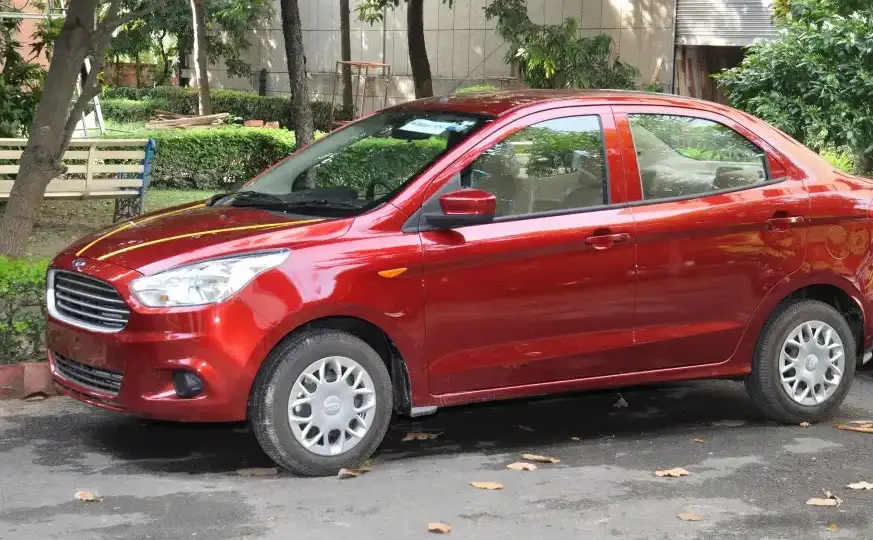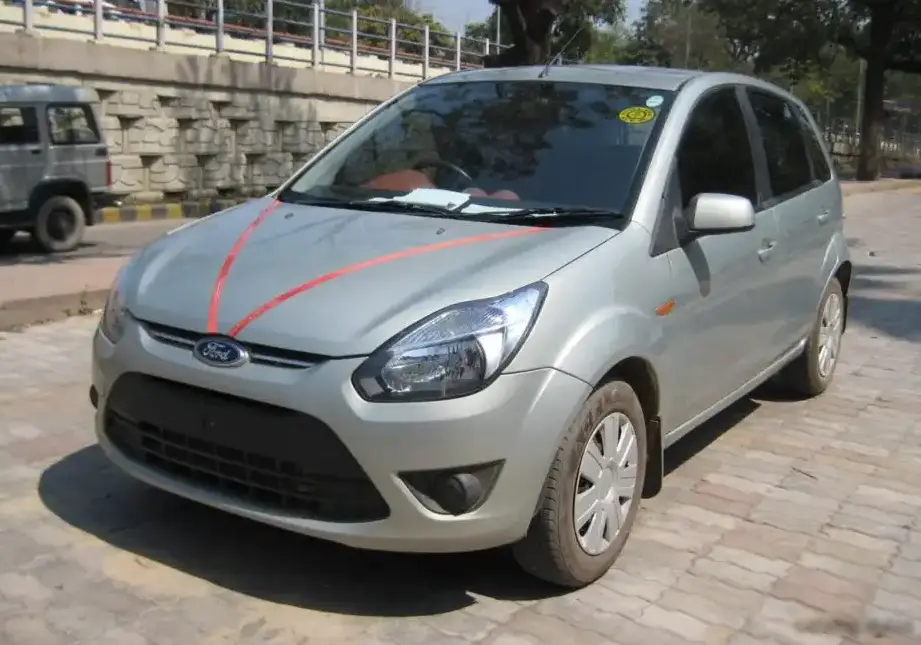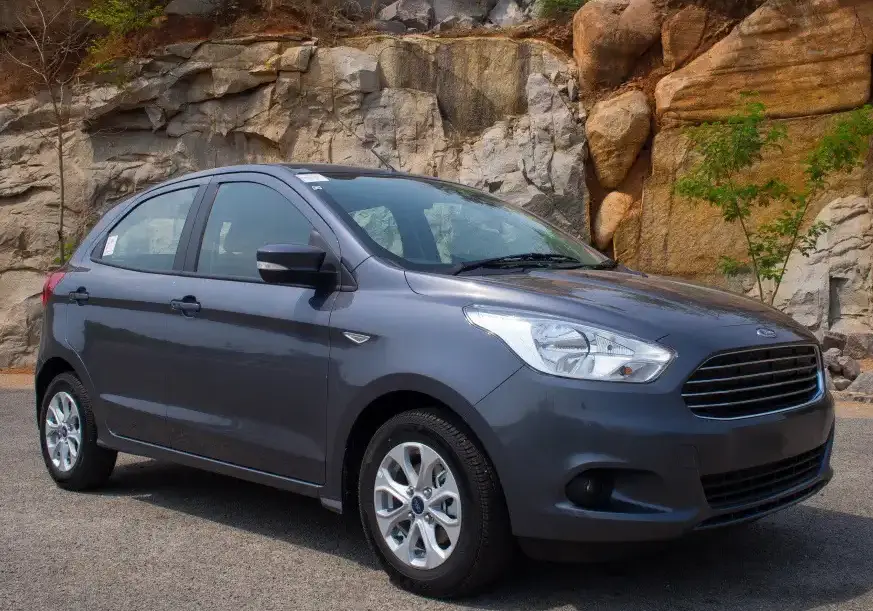
The Ford Figo, introduced in 2010, represented Ford’s entry into the competitive small car segment, particularly targeting the Indian and South African markets. The 2012 facelift brought updated styling and refinements to the original model. Among the engine options available, the 1.4 Duratorq diesel engine producing 69 horsepower was a significant offering, positioned as the entry-level diesel variant. Production of this specific configuration ran from October 2012 until 2015, playing a crucial role in making diesel technology accessible to a wider customer base in these regions. It was built on the Ford B platform, shared with the Fiesta Mark VI.
Technical Specifications
| Brand | Ford |
| Model | Figo |
| Generation | Figo I (facelift 2012) |
| Type (Engine) | 1.4 Duratorq (69 Hp) |
| Start of production | October, 2012 |
| End of production | 2015 |
| Powertrain Architecture | Internal Combustion engine |
| Body type | Hatchback |
| Seats | 5 |
| Doors | 5 |
| Fuel Type | Diesel |
| Emission standard | BS-IV |
| Weight-to-power ratio | 15.8 kg/Hp, 63.3 Hp/tonne |
| Weight-to-torque ratio | 6.8 kg/Nm, 146.8 Nm/tonne |
| Power | 69 Hp @ 4000 rpm |
| Power per litre | 49.3 Hp/l |
| Torque | 160 Nm @ 2000 rpm (118.01 lb.-ft. @ 2000 rpm) |
| Engine layout | Front, Transverse |
| Engine Model/Code | Duratorq |
| Engine displacement | 1399 cm3 (85.37 cu. in.) |
| Number of cylinders | 4 |
| Engine configuration | Inline |
| Number of valves per cylinder | 2 |
| Fuel injection system | Diesel Commonrail |
| Engine aspiration | Turbocharger, Intercooler |
| Valvetrain | SOHC |
| Engine oil capacity | 3.8 l (4.02 US qt | 3.34 UK qt) |
| Coolant | 5.5 l (5.81 US qt | 4.84 UK qt) |
| Kerb Weight | 1090-1130 kg (2403.04 – 2491.22 lbs.) |
| Trunk (boot) space – minimum | 284 l (10.03 cu. ft.) |
| Fuel tank capacity | 45 l (11.89 US gal | 9.9 UK gal) |
| Length | 3795 mm (149.41 in.) |
| Width | 1680 mm (66.14 in.) |
| Height | 1427 mm (56.18 in.) |
| Wheelbase | 2489 mm (97.99 in.) |
| Ride height (ground clearance) | 168 mm (6.61 in.) |
| Minimum turning circle (turning diameter) | 9.8 m (32.15 ft.) |
| Drivetrain Architecture | The Internal combustion engine (ICE) drives the front wheels of the vehicle. |
| Drive wheel | Front wheel drive |
| Number of gears and type of gearbox | 5 gears, manual transmission |
| Front suspension | Independent type McPherson |
| Rear suspension | Coil spring, Torsion |
| Front brakes | Ventilated discs |
| Rear brakes | Drum |
| Assisting systems | ABS (Anti-lock braking system) |
| Steering type | Steering rack and pinion |
| Power steering | Hydraulic Steering |
| Tires size | 175/65 R14 |
| Wheel rims size | 14 |
Powertrain & Engine Architecture
The heart of this Figo variant is the 1.4-liter Duratorq diesel engine. This engine, part of Ford’s Duratorq family, is a four-cylinder, inline configuration with a single overhead camshaft (SOHC) valvetrain operating two valves per cylinder. The engine utilizes a turbocharger with an intercooler to boost power and efficiency. The common rail direct fuel injection system, a key feature of this engine, allows for precise fuel delivery, contributing to improved fuel economy and reduced emissions. The engine code is typically associated with variations within the Duratorq series, and while specific codes may vary by market, it represents a robust and relatively simple diesel design. The 5-speed manual transmission was the only gearbox option available with this engine, prioritizing fuel efficiency and affordability over outright performance.
Driving Characteristics
The 1.4 Duratorq engine in the Figo delivered modest performance, geared towards practicality and fuel economy rather than spirited driving. With 69 horsepower, acceleration was adequate for city driving and highway cruising, but overtaking maneuvers required planning. The turbocharger provided a noticeable boost in torque at lower RPMs, making it relatively easy to navigate urban traffic. The 5-speed manual transmission was well-matched to the engine’s characteristics, offering a reasonable spread of gears. Compared to the higher-output 1.6-liter petrol engine available in the Figo, the 1.4 Duratorq offered significantly better fuel economy but lacked the petrol engine’s responsiveness. The gear ratios were optimized for maximizing fuel efficiency, meaning the engine could feel strained at higher speeds.
Equipment & Trim Levels
The 1.4 Duratorq variant of the Figo typically represented the base diesel trim level. Standard equipment generally included power steering, air conditioning, and basic instrumentation. Interior upholstery was typically cloth, and the dashboard featured a functional, if somewhat basic, design. Optional extras, depending on the market, could include power windows, central locking, and an audio system. Safety features were generally limited to ABS (Anti-lock Braking System) and driver and passenger airbags. The focus was on providing a functional and affordable vehicle, with less emphasis on luxury features.
Chassis & Braking
The Figo’s chassis featured an independent McPherson strut suspension at the front, providing a comfortable ride and decent handling. The rear suspension utilized a coil spring and torsion beam setup, which was cost-effective and provided adequate stability. Braking duties were handled by ventilated discs at the front and drum brakes at the rear. The hydraulic power steering provided light and easy steering, making it well-suited for urban driving conditions. The relatively lightweight nature of the vehicle, weighing between 1090-1130 kg, helped to offset the modest power output of the engine.
Market Reception & Comparison
The 1.4 Duratorq Figo was well-received in markets like India and South Africa, where fuel efficiency and affordability were key purchasing considerations. Critics praised the engine’s fuel economy and its ability to deliver adequate performance for everyday driving. However, some reviewers noted the engine’s lack of refinement and its relatively noisy operation compared to petrol alternatives. Compared to other diesel options in the segment, the Figo offered a competitive price point and a relatively spacious interior. The 1.6-liter petrol Figo offered more power but at the cost of significantly lower fuel economy. The 1.4 Duratorq provided a compelling balance for buyers prioritizing efficiency and running costs.
Legacy
The 1.4 Duratorq engine proved to be a reliable and durable powerplant, with many examples still on the road today. While not known for blistering performance, its simplicity and robust construction contributed to its longevity. Maintenance costs are generally reasonable, and spare parts are readily available in many markets. In the used car market, the 1.4 Duratorq Figo remains a popular choice for budget-conscious buyers seeking a fuel-efficient and dependable vehicle. Its reputation for reliability and affordability has cemented its place as a practical and sensible choice in the small car segment.