Technical Specifications
| Brand | Ford |
| Model | Granada |
| Generation | Granada (GGTL, GGFL) |
| Type (Engine) | 1.7L (69 hp) |
| Start of Production | 1974 |
| End of Production | 1977 |
| Powertrain Architecture | Internal Combustion Engine |
| Body Type | Sedan |
| Fuel Type | Petrol (Gasoline) |
| Power | 69 hp |
| Engine Aspiration | Naturally Aspirated |
| Engine Displacement | 1660 cc (1.7 Liters) |
| Cylinders | 4 |
| Valves per Cylinder | 2 |
| Fuel System | Single Barrel Carburetor (Typically Ford 38DGAS) |
| Transmission | 4-Speed Manual or 3-Speed Automatic |
| Drive Type | Rear-Wheel Drive |
| Weight (approx.) | 2,500 – 2,700 lbs (1134 – 1225 kg) |
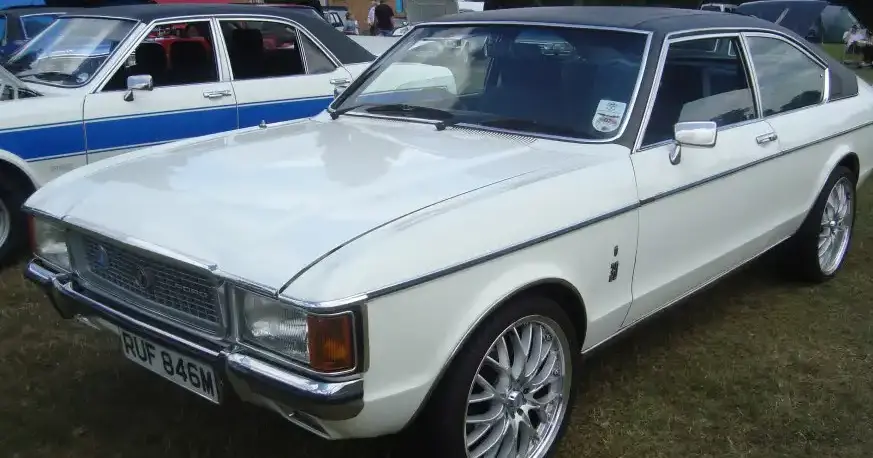
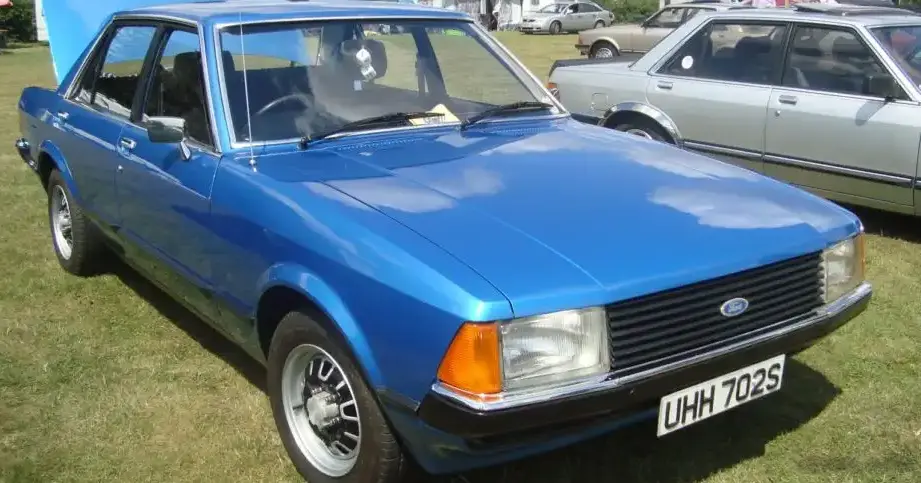
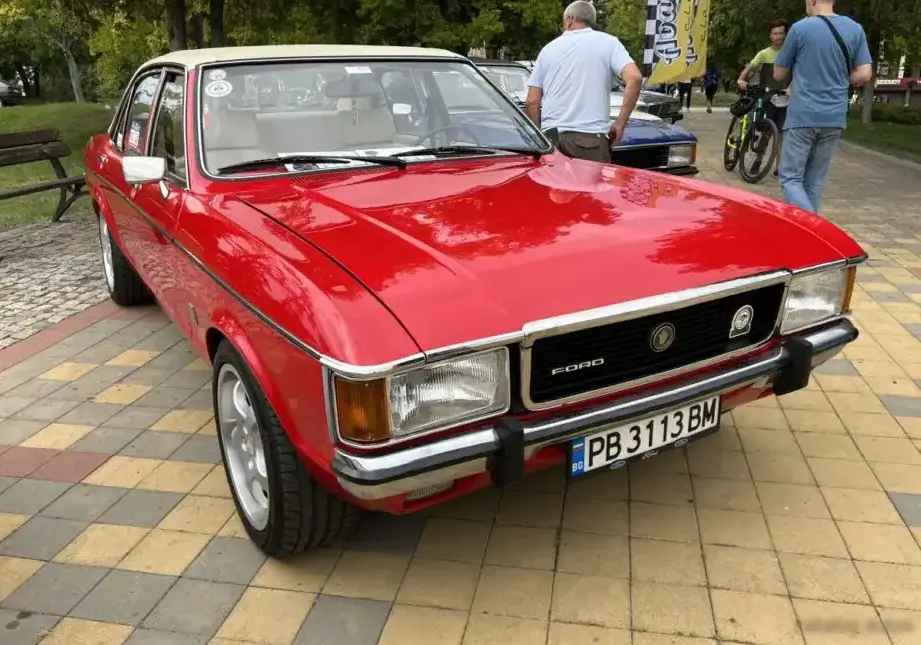
The Ford Granada 1.7L (69 hp) was an entry-level variant of the first-generation Granada, produced between 1974 and 1977. Positioned as the most affordable option in the Granada lineup, it aimed to provide comfortable, reliable transportation for families and fleet buyers. The Granada itself was Ford of Britain’s replacement for the Ford Zephyr and Zodiac, intended to compete with vehicles like the Vauxhall Victor and Austin/Morris 1800. The 1.7L model, designated GGTL or GGFL depending on specification, represented a significant shift towards more modern, European-influenced design and engineering for Ford in the UK market. While not a performance model, it offered a practical and economical alternative to its larger-engined siblings.
Powertrain & Engine Architecture
The 1.7L engine, based on the Ford Essex family of engines, was a four-cylinder, inline configuration. It featured a cast iron block and cylinder head, with a relatively simple valvetrain utilizing two valves per cylinder operated by a single overhead camshaft. The engine’s key characteristic was its reliance on a single-barrel Ford 38DGAS carburetor for fuel delivery. This carburetor, while reliable, wasn’t known for precise fuel metering, contributing to the engine’s modest power output. The engine’s bore and stroke were 80.3mm x 80.3mm, resulting in a displacement of 1660cc (1.7 liters). The compression ratio was typically around 8.9:1. The 1.7L Granada was offered with either a four-speed manual transmission or a three-speed automatic transmission, the automatic being a popular choice for buyers prioritizing comfort over performance. The automatic transmission, a Ford C3 unit, was known for its smooth operation but could detract from fuel economy.
Driving Characteristics
The 1.7L Granada was not designed for spirited driving. With only 69 horsepower on tap, acceleration was leisurely, and overtaking required careful planning. The engine produced approximately 98 lb-ft of torque, which was adequate for cruising but lacked the punch of the larger 2.0L or V6 engines available in the Granada range. The manual transmission offered slightly better performance and fuel economy, allowing the driver to keep the engine in its optimal power band. The automatic transmission, while convenient, resulted in noticeable power loss and slower acceleration. The rear-wheel-drive layout provided predictable handling, but the relatively soft suspension tuning prioritized ride comfort over sharp cornering. The steering was unassisted in many models, requiring a bit of effort at low speeds. Overall, the driving experience was best described as comfortable and undemanding, suitable for long journeys and everyday commuting.
Equipment & Trim Levels
The 1.7L Granada typically represented the base trim level. Standard equipment included cloth upholstery, a basic instrument panel, and manually operated windows and door locks. Features like a radio, heater, and whitewall tires were often included, but more luxurious options like air conditioning, power steering, and upgraded interior trim were generally reserved for higher-spec models. The interior was functional and durable, with a focus on practicality rather than luxury. The dashboard layout was straightforward, with clearly marked gauges for speed, fuel level, and engine temperature. Optional extras included a vinyl roof, upgraded sound systems, and various exterior trim enhancements.
Chassis & Braking
The Granada utilized a traditional body-on-frame construction, providing a robust and durable chassis. The front suspension consisted of independent wishbones and coil springs, while the rear suspension employed a live axle with leaf springs. The braking system varied depending on the specification. Lower-spec models typically featured drum brakes on all four wheels, while higher-spec versions offered front disc brakes for improved stopping power. The 1.7L model generally came equipped with all-drum brakes. Steering was typically a recirculating ball system, providing a stable but somewhat indirect feel. Stabilizer bars were not standard on the base 1.7L model, contributing to a slightly more pronounced body roll in corners.
Market Reception & Comparison
The 1.7L Granada was generally well-received as an affordable and practical family car. Critics acknowledged its comfortable ride and spacious interior, but often noted its lack of performance. Compared to the 2.0L and V6 Granadas, the 1.7L offered significantly less power and acceleration. However, it also delivered better fuel economy, making it an attractive option for budget-conscious buyers. The 1.7L was often compared to rivals like the Vauxhall Victor and Austin/Morris 1800, offering a similar level of comfort and practicality at a competitive price point. The automatic transmission version, while popular, was criticized for its impact on fuel economy and performance.
Legacy
The Ford Granada 1.7L, while not a particularly sought-after classic today, represents an important chapter in Ford’s history. It was a key component of the Granada’s initial success, providing an accessible entry point into the model range. The 1.7L engine itself, while relatively simple, proved to be reasonably reliable, and many examples are still running today. In the used car market, these models are typically valued for their affordability and simplicity. Parts availability is generally good, although some trim-specific components can be difficult to find. The Granada 1.7L serves as a reminder of a time when family cars prioritized comfort and practicality over outright performance, and it remains a popular choice for classic car enthusiasts seeking a reliable and affordable vintage vehicle.