Technical Specifications
| Brand | Ford |
| Model | Granada |
| Generation | Granada (GGTL, GGFL) |
| Type (Engine) | 2.5 (125 Hp) |
| Start of production | 1972 |
| End of production | 1976 |
| Powertrain Architecture | Internal Combustion Engine |
| Body type | Sedan |
| Fuel Type | Petrol (Gasoline) |
| Power | 125 Hp |
| Engine Aspiration | Naturally Aspirated |
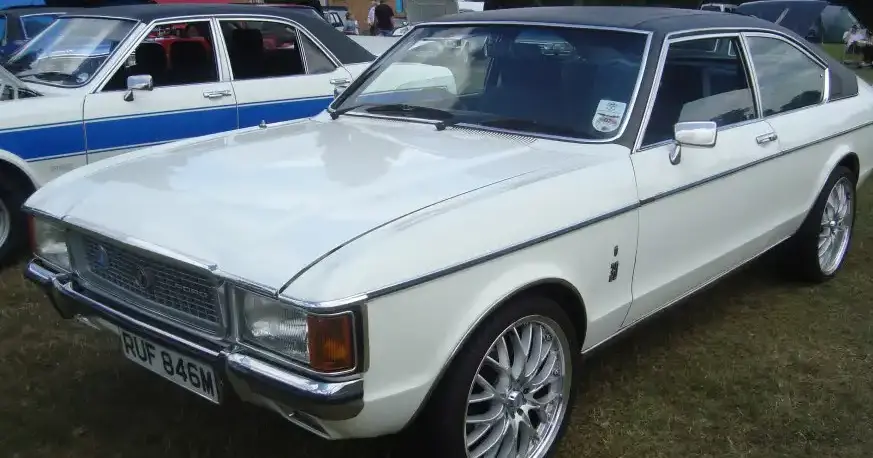
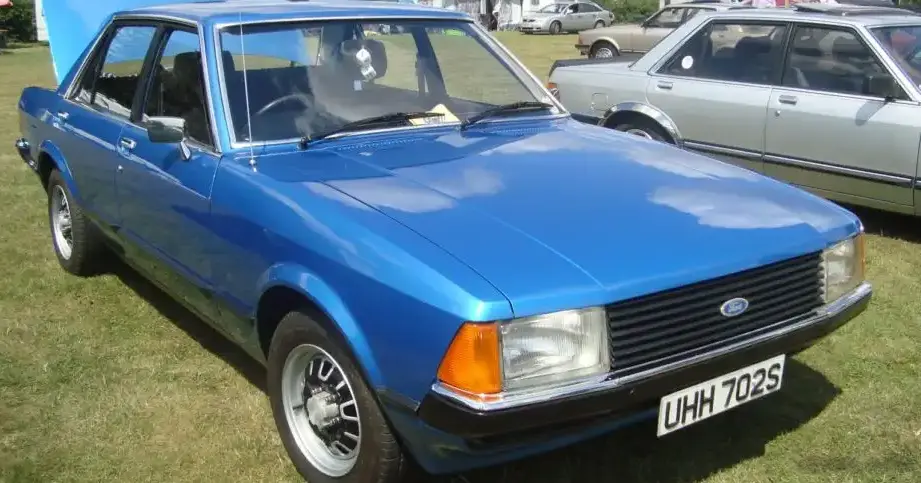
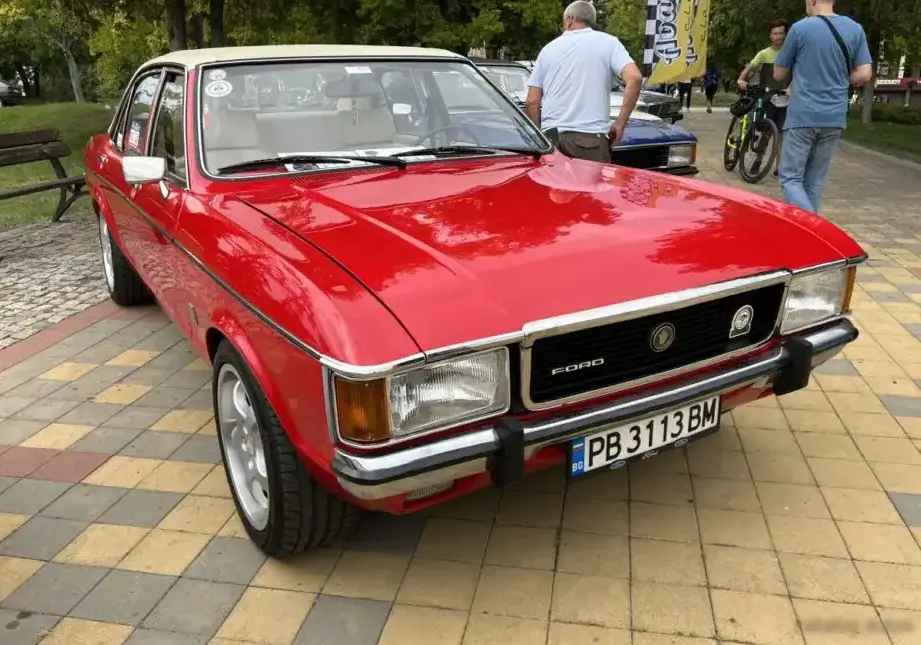
The Ford Granada 2.5, produced between 1972 and 1976 (GGTL, GGFL chassis codes), represented a significant step forward for Ford of Britain’s large family car offerings. Positioned as a more upmarket alternative to the Ford Zephyr and Zodiac, the Granada aimed to compete with vehicles like the Vauxhall Crest and Rover P6. The 2.5-liter variant, developing 125 horsepower, occupied a middle ground in the Granada lineup, offering a balance between performance and affordability. It was a key model in establishing the Granada’s reputation for comfort, spaciousness, and relatively modern styling for its time. The Granada was Ford’s first truly pan-European car, designed to be sold across multiple markets with minimal modifications, and it quickly became a sales success.
Powertrain & Engine Architecture
The Granada 2.5 was powered by the Ford Essex V6 engine, a 2.5-liter (152 cubic inch) naturally aspirated powerplant. This engine, designated as the ‘Essex’ family, was a 60-degree V6, known for its relatively smooth operation and decent power output for its displacement. The 125 horsepower figure was achieved through a single Zenith 36mm downdraft carburetor, a common setup for the time. The engine featured a single overhead camshaft (SOHC) design, operating two valves per cylinder. The cylinder block was cast iron, while the cylinder heads were aluminum, contributing to a reasonable weight for a V6. The engine’s lubrication system was a conventional wet sump design. While not a particularly high-revving engine, the Essex V6 delivered its peak torque at relatively low engine speeds, making it well-suited to the Granada’s role as a comfortable cruiser. The transmission offered with the 2.5 was typically a four-speed manual gearbox, or a three-speed automatic transmission (Ford Select-o-matic). The automatic transmission, while providing convenience, did impact acceleration and fuel economy compared to the manual. The Select-o-matic was a torque converter automatic, known for its smooth but not particularly quick shifts. It featured three forward gears and a reverse gear, designed for comfortable cruising rather than sporty performance.
Driving Characteristics
The Ford Granada 2.5 offered a comfortable and refined driving experience, particularly when equipped with the automatic transmission. The 125 horsepower engine provided adequate performance for highway cruising and overtaking, although it wasn’t a particularly sporty vehicle. Acceleration from 0 to 60 mph was typically around 11-12 seconds, depending on the transmission and final drive ratio. The automatic transmission featured relatively widely spaced gear ratios, prioritizing smooth shifts and fuel efficiency over outright performance. The manual transmission offered a more engaging driving experience, allowing the driver to better utilize the engine’s power band. The Granada’s suspension, featuring independent front suspension with MacPherson struts and a live axle rear suspension with leaf springs, provided a comfortable ride, absorbing bumps and imperfections in the road surface effectively. Steering was by a recirculating ball system, offering reasonable precision but lacking the feel of more modern steering technologies. Compared to the smaller-engined Granadas (like the 2.0-liter), the 2.5 offered noticeably more relaxed cruising ability, especially when fully loaded with passengers and luggage. The automatic version, while smooth, felt noticeably slower than the manual, particularly when attempting to accelerate quickly.
Equipment & Trim Levels
The Granada 2.5 was generally positioned as a mid-range trim level within the Granada lineup. Standard equipment typically included cloth upholstery, a woodgrain-trimmed dashboard, and a comprehensive instrument panel with gauges for speed, fuel level, coolant temperature, and oil pressure. Power steering and a radio were often included as standard, or available as optional extras. The Granada 2.5 was available in a range of exterior colors, and could be specified with various optional features, such as a vinyl roof, electric windows, and a sunroof. Interior trim levels varied depending on the market, with some versions offering more luxurious features like leather upholstery and air conditioning. The ‘L’ designation in the chassis code (GGTL) often indicated a higher trim level with more features than the base ‘G’ models. The 2.5L often came with upgraded interior carpeting and door panels compared to the base models, offering a more premium feel.
Chassis & Braking
The Ford Granada featured a robust chassis construction, utilizing a separate body-on-frame design. This contributed to the car’s durability and relatively easy repairability. The front suspension employed MacPherson struts, providing independent wheel control and a comfortable ride. The rear suspension utilized a live axle with leaf springs, a traditional setup that offered good load-carrying capacity. Braking on the Granada 2.5 typically consisted of disc brakes on the front wheels and drum brakes on the rear wheels. The braking system was hydraulic, with a dual-circuit master cylinder for added safety. Steering was by a recirculating ball mechanism, providing reasonable precision but lacking the direct feel of rack-and-pinion steering. Stabilizer bars were fitted to both the front and rear suspension to reduce body roll during cornering. The drum brakes on the rear could sometimes feel less effective than the front discs, particularly under heavy braking.
Market Reception & Comparison
The Ford Granada 2.5 was generally well-received by automotive critics and the public. It was praised for its spacious interior, comfortable ride, and relatively modern styling. The 2.5-liter V6 engine was considered a good compromise between performance and fuel economy. Compared to the smaller-engined Granadas, the 2.5 offered a more refined and relaxed driving experience. However, it wasn’t as fuel-efficient as the four-cylinder models. Compared to its rivals, such as the Vauxhall Crest and Rover P6, the Granada offered a more modern and practical package, with a spacious interior and a relatively affordable price tag. The automatic transmission, while convenient, was often criticized for its sluggish performance and impact on fuel economy. Reliability was generally good, although the Essex V6 engine was known to be susceptible to overheating if not properly maintained. Owners often reported that regular coolant checks and radiator maintenance were crucial for preventing overheating issues.
Legacy
The Ford Granada 2.5 remains a popular classic car today, appreciated for its comfortable ride, spacious interior, and classic styling. The Essex V6 engine, while not the most technologically advanced powerplant, is relatively straightforward to maintain and repair. Parts availability is generally good, although some components can be difficult to find. The Granada’s robust construction and relatively simple mechanicals contribute to its long-term reliability. The automatic transmission, while less desirable than the manual, is still functional and can provide years of reliable service with proper maintenance. In the used car market, Granada 2.5 models in good condition command reasonable prices, reflecting their growing popularity among classic car enthusiasts. The Granada, in all its variants, played a crucial role in establishing Ford as a major player in the European large family car market, and the 2.5-liter model remains a particularly well-regarded example of this iconic vehicle. Today, well-maintained examples are sought after by collectors and enthusiasts who appreciate the car’s blend of comfort, style, and classic British motoring character.