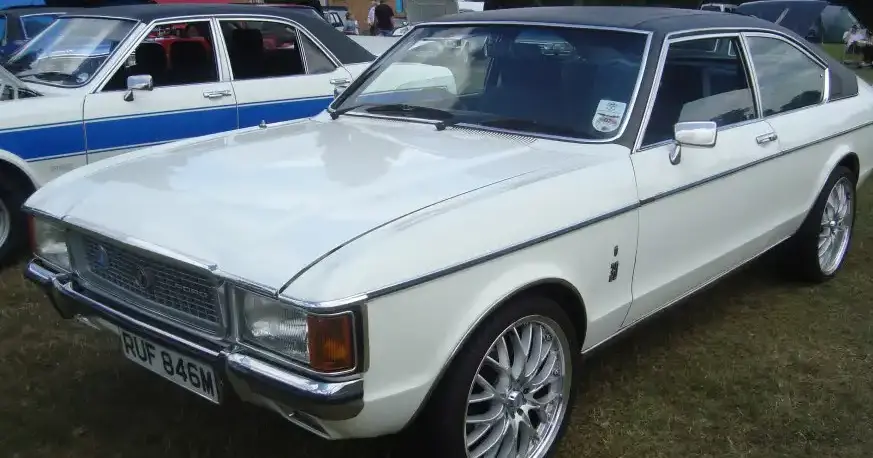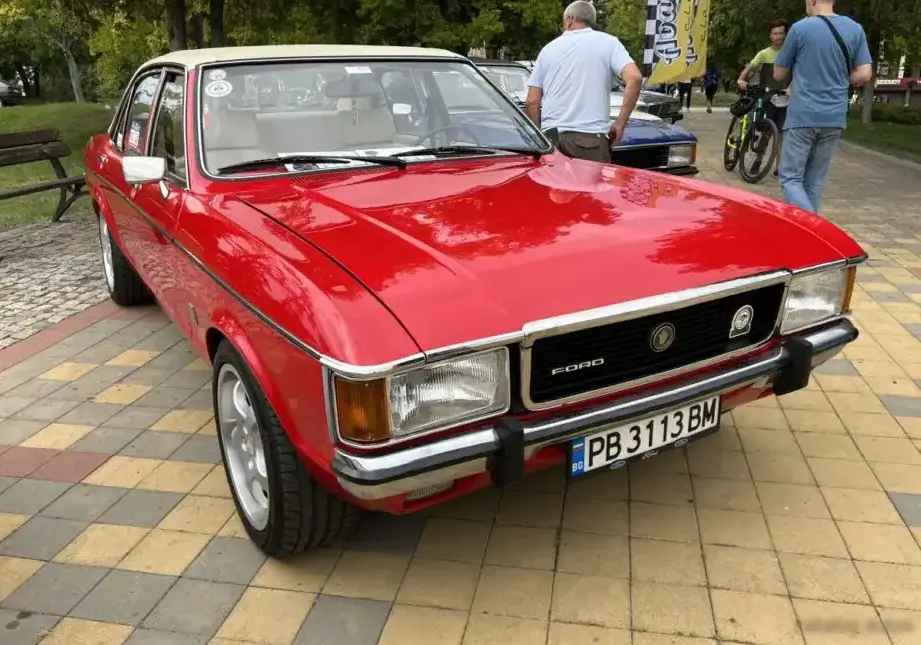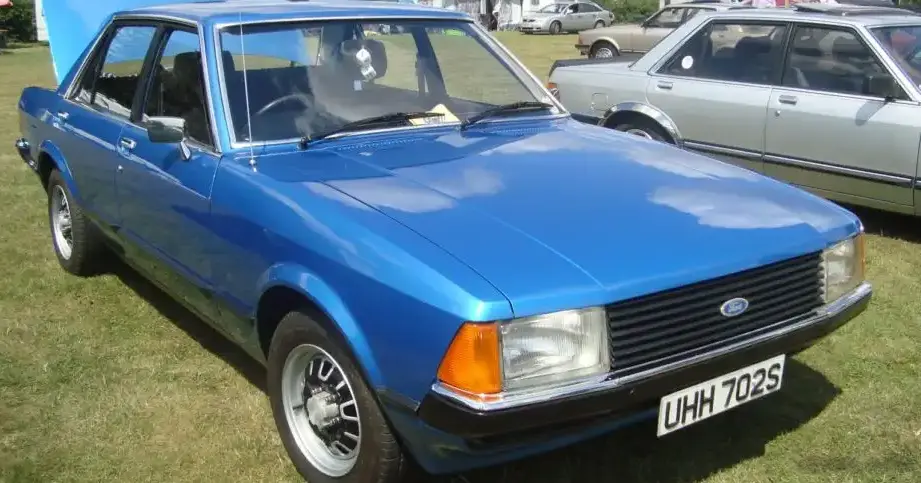
The Ford Granada GU 1.6, produced between 1981 and 1985, represented the entry-level offering in the final generation of the long-running Granada line. Positioned as an affordable, family-oriented sedan, it served as a more economical alternative to the larger-engined, more luxurious versions of the GU model. The GU series, launched in 1977, was Ford of Britain’s response to changing market demands, offering a more modern and comfortable experience than its predecessors. The 1.6-liter variant aimed to capture buyers seeking practicality and fuel efficiency, particularly in a period of rising fuel costs. While not a performance model, it provided a reliable and spacious vehicle for everyday use.
Technical Specifications
| Brand | Ford |
| Model | Granada |
| Generation | Granada (GU) |
| Type (Engine) | 1.6 (75 Hp) |
| Start of production | 1981 |
| End of production | 1985 |
| Powertrain Architecture | Internal Combustion engine |
| Body type | Sedan |
| Fuel Type | Petrol (Gasoline) |
| Power | 75 Hp |
| Engine aspiration | Naturally aspirated engine |
| Length | 4630 mm (182.28 in.) |
| Width | 1740 mm (68.5 in.) |
| Height | 1380 mm (54.33 in.) |
| Wheelbase | 2770 mm (109.06 in.) |
Powertrain & Engine Architecture
The heart of the Granada 1.6 was the Ford Essex engine, specifically the 1600cc variant. This engine, while sharing a family resemblance to the larger Essex V6s, was a four-cylinder unit. It featured a cast iron block and cylinder head, a relatively simple design prioritizing durability and ease of maintenance over outright performance. The engine utilized a single overhead camshaft (SOHC) design, operating two valves per cylinder. Fuel delivery was managed by a Ford-designed carburetor, typically a Weber or Motorcraft unit, reflecting the technology prevalent in the early 1980s. The 75 horsepower output was achieved at approximately 5000 rpm, with peak torque of around 98 lb-ft at 3000 rpm. The engine was paired with a three-speed automatic transmission, a common choice for buyers prioritizing convenience over driver involvement. This transmission, while reliable, was not known for its responsiveness or fuel efficiency compared to the available four-speed manual option. The automatic featured a traditional torque converter and planetary gearset, offering smooth but not particularly quick shifts.
Driving Characteristics
The Granada 1.6 automatic offered a comfortable, if uninspiring, driving experience. Acceleration was modest, with a 0-60 mph time estimated around 14-16 seconds. The automatic transmission’s gear ratios were geared towards economy rather than performance, resulting in a noticeable delay during kickdown for overtaking maneuvers. The relatively low power output meant the engine needed to be revved to maintain speed on inclines or when carrying a full load. Compared to the 2.0-liter or 2.8-liter versions of the Granada, the 1.6 felt noticeably slower and less refined. However, the automatic transmission provided a smooth and effortless driving experience in city traffic, making it a popular choice for those prioritizing ease of use. The suspension, tuned for comfort, absorbed bumps and imperfections in the road well, contributing to a relaxed ride. Steering was relatively light, making parking and maneuvering in tight spaces easy, though it lacked the feedback desired by more enthusiastic drivers. The overall driving experience was geared towards practicality and comfort, rather than sporty handling or brisk acceleration.
Equipment & Trim Levels
The 1.6L Granada typically represented the base trim level. Standard equipment included cloth upholstery, a basic instrument cluster, and manual windows. Features like central locking, electric windows, and a sunroof were generally optional extras. Interior trim was typically a durable, patterned cloth in shades of blue or brown. The dashboard layout was functional and straightforward, with clearly labeled controls. Optional extras included a radio/cassette player, upgraded seat fabrics, and a trip computer. The Granada 1.6 was often seen as a practical family car, and as such, options focused on enhancing comfort and convenience rather than sporty aesthetics. Features like a vinyl roof were also available, adding a touch of perceived luxury. The level of equipment reflected the car’s position as an affordable family vehicle.
Chassis & Braking
The Granada GU utilized a rear-wheel-drive layout with a separate chassis construction. The front suspension featured independent wishbones and coil springs, while the rear suspension employed a live axle with leaf springs. The 1.6-liter models typically featured drum brakes on the rear wheels and disc brakes on the front, providing adequate stopping power for the vehicle’s weight and performance. Stabilizer bars were fitted to both the front and rear axles to reduce body roll during cornering. Steering was power-assisted, making it relatively easy to maneuver, even at low speeds. The chassis design prioritized ride comfort and durability over sporty handling, resulting in a somewhat soft and forgiving driving experience. The use of leaf springs in the rear contributed to a comfortable ride but also limited handling precision.
Market Reception & Comparison
The Ford Granada 1.6 automatic received mixed reviews. Critics acknowledged its affordability and practicality but often criticized its lack of performance. It was generally viewed as a sensible choice for those prioritizing fuel economy and comfort over driving excitement. Compared to the 2.0-liter and 2.8-liter Granadas, the 1.6 offered significantly lower running costs but at the expense of performance and refinement. The 2.0-liter offered a better balance of power and economy, while the 2.8-liter provided a more luxurious and powerful driving experience. Fuel economy for the 1.6-liter automatic was around 22-26 mpg, depending on driving conditions. Reliability was generally good, although the carburetor required periodic adjustment and maintenance. The 1.6 was often seen as a fleet vehicle, purchased by companies for its low running costs and practicality.
Legacy
The Ford Granada 1.6, while not the most sought-after variant, holds a place in automotive history as a representative of the affordable family sedan of the early 1980s. The Essex engine, in its various forms, proved to be a durable and reliable powerplant. Today, surviving examples are relatively rare, and well-maintained cars are gaining interest among classic car enthusiasts. The 1.6 automatic is often considered a good entry point for those looking to experience a classic Granada, offering a relatively simple and affordable ownership experience. Parts availability is generally good, although some specific trim components may be difficult to find. The Granada 1.6 remains a testament to Ford’s commitment to providing practical and reliable transportation for the masses. Its simplicity and durability have ensured that a small but dedicated following continues to appreciate this often-overlooked variant.