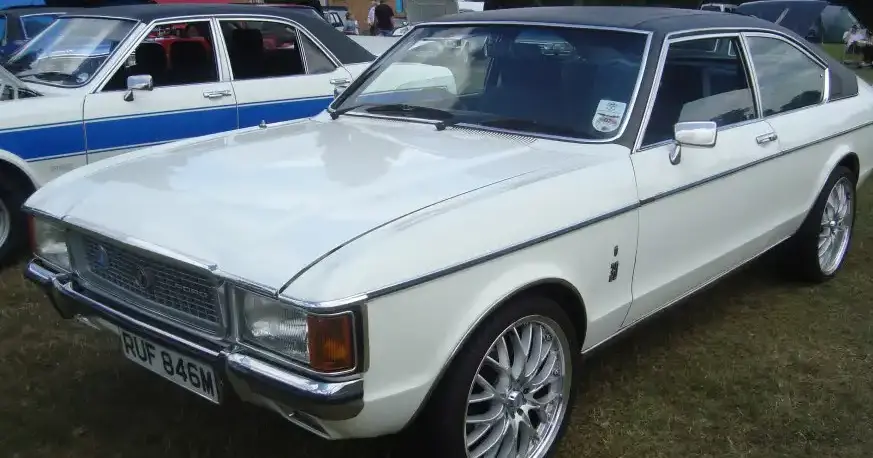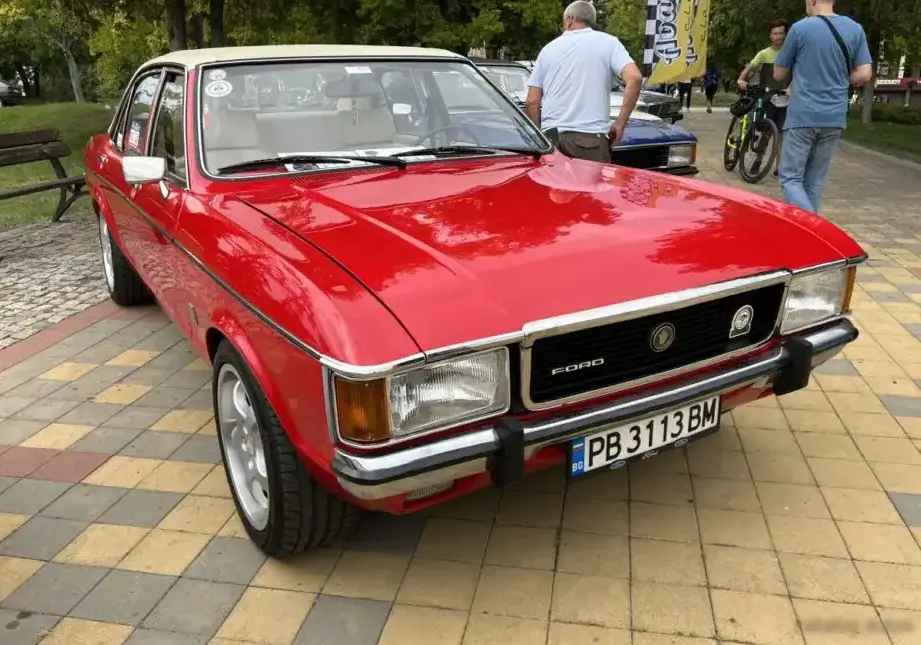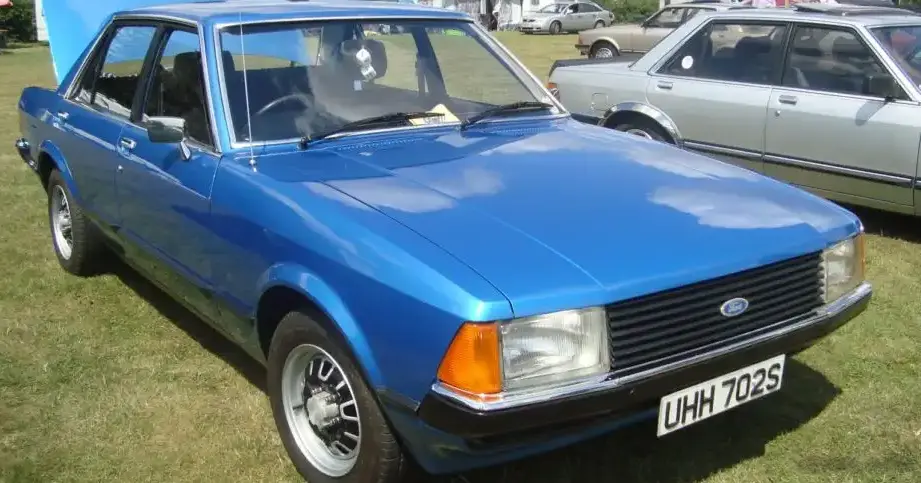
The Ford Granada GU, produced between 1981 and 1985, represented a significant update to Ford of Europe’s large family car. The 2.0-liter (105 hp) variant occupied a middle-ground position within the Granada GU lineup, offering a balance between performance and affordability. It was positioned as a more accessible option compared to the larger displacement engines, like the 2.8i, while still providing a comfortable and spacious experience for family motoring. This generation of the Granada aimed to modernize the model, addressing criticisms of the previous iterations regarding styling and interior refinement. The GU series was a crucial model for Ford in Europe, competing with vehicles like the Opel/Vauxhall Commodore, Rover SD1, and Peugeot 504.
Technical Specifications
| Brand | Ford |
| Model | Granada |
| Generation | Granada (GU) |
| Type (Engine) | 2.0 (105 Hp) |
| Start of production | 1981 |
| End of production | 1985 |
| Powertrain Architecture | Internal Combustion engine |
| Body type | Sedan |
| Fuel Type | Petrol (Gasoline) |
| Power | 105 Hp |
| Engine aspiration | Naturally aspirated engine |
| Length | 4630 mm (182.28 in.) |
| Width | 1740 mm (68.5 in.) |
| Height | 1380 mm (54.33 in.) |
| Wheelbase | 2770 mm (109.06 in.) |
Powertrain & Engine Architecture
The 2.0-liter engine in the Granada GU was part of Ford’s ‘Cologne’ engine family, a series of inline-four engines known for their durability and relatively simple design. This particular engine, often referred to as the 205 block, featured a cast iron block and an aluminum cylinder head. It utilized a single overhead camshaft (SOHC) valvetrain, operating two valves per cylinder. Fuel delivery was managed by a Bosch K-Jetronic mechanical fuel injection system, a sophisticated system for its time that offered improved fuel efficiency and reduced emissions compared to carbureted engines. The engine produced 105 horsepower at approximately 5500 rpm and 123 lb-ft of torque at 3000 rpm. The transmission paired with this engine was typically a four-speed automatic, although a five-speed manual transmission was also available as an option, albeit less common. The automatic transmission was designed for smooth operation and comfort, prioritizing ease of driving over outright performance.
Driving Characteristics
The 2.0-liter automatic Granada GU offered a comfortable, if not particularly sporty, driving experience. Acceleration was adequate for everyday driving, with a 0-60 mph time estimated around 11-12 seconds. The automatic transmission, while smooth, did detract from the engine’s available power, resulting in a noticeable delay in response. The gear ratios were geared towards fuel economy and cruising comfort, rather than rapid acceleration. Compared to the 2.8i version, the 2.0-liter felt noticeably slower, especially when fully loaded with passengers and luggage. However, it offered better fuel economy, a significant consideration in the early 1980s. The suspension, consisting of MacPherson struts at the front and a coil-sprung live axle at the rear, provided a reasonably comfortable ride, absorbing bumps and imperfections in the road surface effectively. Steering was power-assisted, making maneuvering easy, although it lacked the precision of more modern systems.
Equipment & Trim Levels
The 2.0-liter Granada GU typically came equipped with a reasonable level of standard features. These included power steering, central locking, and a basic stereo system. Interior upholstery was typically cloth, available in a range of colors and patterns. The dashboard layout was functional and straightforward, with clearly labeled controls. Optional extras included a sunroof, electric windows, upgraded stereo systems, and air conditioning. Trim levels varied depending on the market, but generally, the 2.0-liter model was positioned as a mid-range offering. It lacked some of the luxury features found in the higher-spec 2.8i models, such as leather upholstery and more advanced audio systems, but offered more equipment than the base models with smaller engines.
Chassis & Braking
The Granada GU utilized a body-on-frame construction, providing a robust and durable chassis. The front suspension featured MacPherson struts with anti-roll bar, while the rear suspension employed a live axle with coil springs and trailing arms. Braking was initially provided by disc brakes at the front and drum brakes at the rear. Later models often featured disc brakes all around, improving stopping performance. The braking system was hydraulically assisted, providing adequate stopping power for the vehicle’s weight and performance. Steering was a recirculating ball system, offering a relatively light steering feel, but lacking the precision of rack and pinion steering found in some competitors.
Market Reception & Comparison
The 2.0-liter Granada GU was generally well-received by critics as a practical and comfortable family car. It was praised for its spacious interior, comfortable ride, and relatively fuel-efficient engine. However, it was also criticized for its somewhat bland styling and lack of outright performance compared to some of its rivals. Compared to the 2.8i version, the 2.0-liter offered significantly better fuel economy, making it a more attractive option for drivers who prioritized running costs. The 2.0-liter also proved to be more reliable than the more complex 2.8i engine, reducing the risk of costly repairs. Against competitors like the Opel Commodore and Rover SD1, the Granada GU offered a more modern and refined driving experience, although it lacked the sporting pretensions of some of its rivals.
Legacy
The Ford Granada GU 2.0-liter automatic has become a relatively sought-after classic car, particularly among enthusiasts who appreciate its simplicity and reliability. The ‘Cologne’ engine is known for its durability, and many examples are still on the road today. While not a high-performance vehicle, the 2.0-liter automatic offers a comfortable and enjoyable driving experience, making it a suitable choice for classic car rallies and weekend drives. Parts availability is generally good, although some specific trim pieces can be difficult to find. The Granada GU represents a significant chapter in Ford’s history, and the 2.0-liter variant remains a popular and affordable entry point into classic Ford ownership. Its blend of practicality, comfort, and reliability has ensured its continued appeal to a dedicated following.