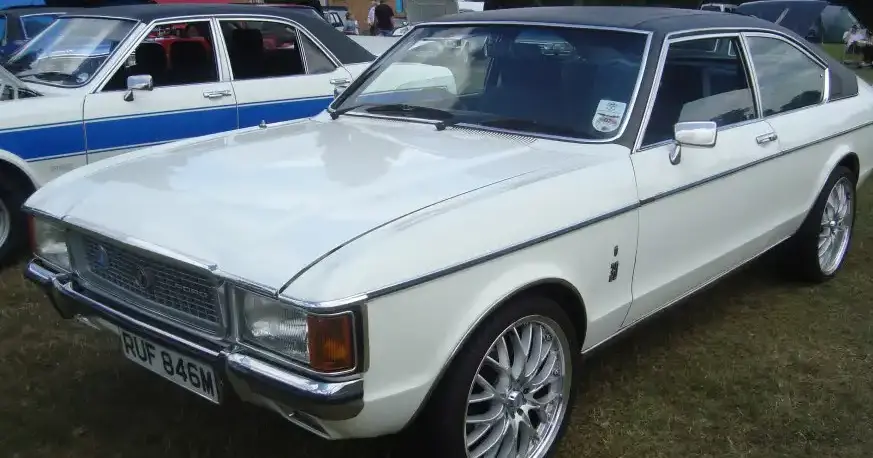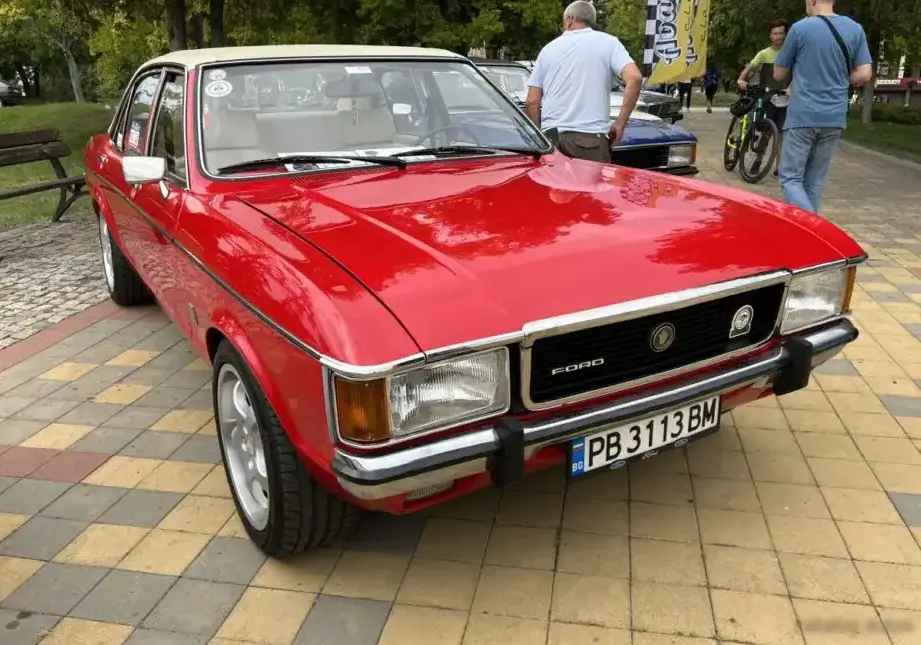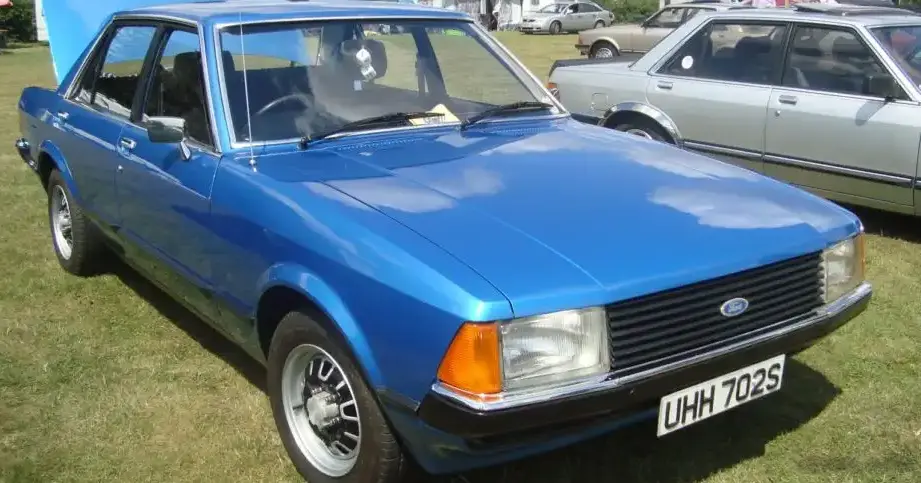
Technical Specifications
| Brand | Ford |
| Model | Granada |
| Generation | Granada (GU) |
| Type (Engine) | 2.0 (90 Hp) |
| Start of production | 1977 |
| End of production | 1985 |
| Powertrain Architecture | Internal Combustion engine |
| Body type | Sedan |
| Fuel Type | Petrol (Gasoline) |
| Power | 90 Hp |
| Engine aspiration | Naturally aspirated engine |
| Length | 4630 mm (182.28 in.) |
| Width | 1740 mm (68.5 in.) |
| Height | 1380 mm (54.33 in.) |
| Wheelbase | 2770 mm (109.06 in.) |
The Ford Granada (GU) 2.0, producing 90 horsepower, was a mainstay of the Granada lineup from 1977 to 1985. Representing a mid-range offering within the GU generation, which spanned 1974-1985, this variant aimed to balance affordability with respectable performance and comfort. The GU Granada was Ford of Britain’s response to the growing demand for larger, more comfortable family cars, positioned above the Cortina and below the more luxurious Ford Executive. This 2.0-liter version was particularly significant in the UK and European markets, offering a practical and relatively economical option for families and business users.
Powertrain & Engine Architecture
The 2.0-liter engine in the Granada GU was part of Ford’s ‘Cologne’ engine family, a series of inline-four engines known for their durability and relatively simple design. Specifically, this was the 2000cc version, typically designated as the 205E. It featured a cast iron block and an aluminum cylinder head. The engine utilized a single overhead camshaft (SOHC) design, operating two valves per cylinder. Fuel delivery was managed by a Ford-designed carburetor, initially a Zenith 34IV, later replaced by a Weber 32/36 DGV in some markets. This carburetor setup, while reliable, wasn’t known for exceptional fuel efficiency compared to later fuel injection systems. The 90 horsepower output was achieved at approximately 5000 rpm, with peak torque of around 128 lb-ft at 3000 rpm. The engine was mated to a three-speed automatic transmission, the Ford FMX. This transmission was a torque converter automatic, offering smooth shifts but not particularly quick acceleration. The FMX was a robust unit, but its design was becoming dated by the 1980s.
Driving Characteristics
The 2.0-liter automatic Granada offered a comfortable, if not particularly sporty, driving experience. The automatic transmission, while providing convenience, noticeably impacted acceleration. Zero to sixty mph times were typically in the 12-14 second range, making it slower than the manual transmission versions or those equipped with the larger 2.8-liter V6 engine. The FMX transmission’s gear ratios were geared towards cruising comfort rather than outright performance. The engine felt relatively strained when pushed hard, particularly when overtaking. However, for everyday driving and long journeys, the 2.0-liter provided adequate power. The suspension, consisting of MacPherson struts at the front and a live axle with trailing arms at the rear, offered a compliant ride, absorbing bumps and imperfections in the road well. Steering was power-assisted, making maneuvering easy, although it lacked the precision of more modern systems.
Equipment & Trim Levels
The 2.0-liter Granada typically occupied a mid-range position in the trim level hierarchy. Standard equipment generally included cloth upholstery, a basic AM/FM radio, and central locking. Higher trim levels, such as the ‘L’ and ‘GL’, added features like vinyl roof options, upgraded interior trim, electric windows, and a more sophisticated radio with cassette player. The dashboard layout was functional and straightforward, with clearly labeled controls. Optional extras included a sunroof, air conditioning, and upgraded sound systems. The interior space was generous for the time, offering comfortable seating for five adults. The boot (trunk) was also large and practical, making the Granada a suitable family car.
Chassis & Braking
The Granada GU utilized a body-on-frame construction, providing a robust and durable chassis. The front suspension featured MacPherson struts with anti-roll bar, while the rear suspension employed a live axle with trailing arms and a separate anti-roll bar on some models. Braking on the 2.0-liter Granada typically consisted of disc brakes at the front and drum brakes at the rear. Power assistance was standard. While adequate for normal driving, the braking system wasn’t particularly powerful by modern standards. The steering was a recirculating ball system, providing a relatively light steering feel but lacking the precision of rack and pinion steering. Wheel size was typically 14 inches, with tires offering a balance between comfort and grip.
Market Reception & Comparison
The Ford Granada 2.0 Automatic was generally well-received as a practical and comfortable family car. Critics praised its spacious interior, comfortable ride, and relatively low running costs. However, it was often criticized for its lack of performance compared to rivals like the Vauxhall/Opel Commodore and the BMW 5 Series. Compared to the 2.8-liter V6 Granada, the 2.0-liter offered significantly lower fuel consumption, making it a more economical choice for high-mileage drivers. The manual transmission 2.0-liter versions were considered more engaging to drive, offering better acceleration and fuel economy. The 2.0-liter automatic was often seen as a compromise, appealing to buyers who prioritized comfort and convenience over performance.
Legacy
The Ford Granada GU 2.0 Automatic, while not a particularly exciting car, proved to be a reliable and durable workhorse. The ‘Cologne’ engine is known for its longevity, and the FMX automatic transmission, while dated, is generally robust. Today, well-maintained examples are becoming increasingly sought after by classic car enthusiasts. Parts availability is generally good, although some trim-specific items can be difficult to find. The 2.0-liter automatic is often considered a good entry point into Granada ownership, offering a relatively affordable and easy-to-maintain classic car experience. Its enduring appeal lies in its simplicity, comfort, and the nostalgic charm of a bygone era of British motoring. The car represents a significant piece of Ford’s history and a popular choice for those seeking a classic family saloon.