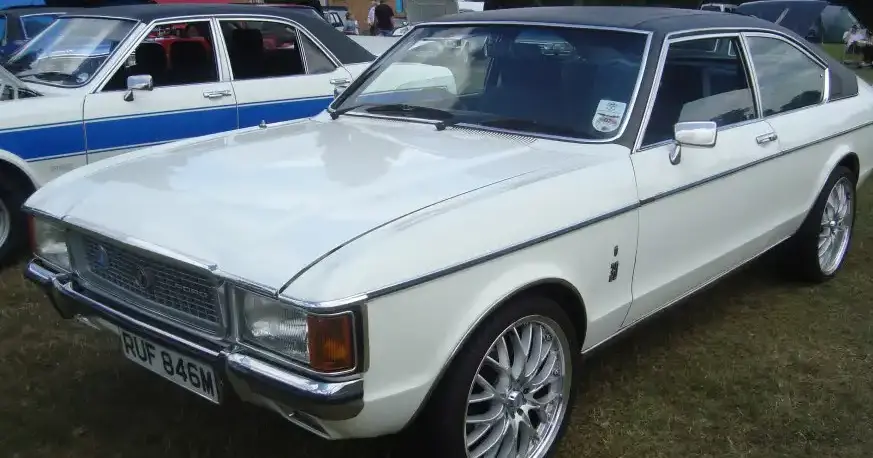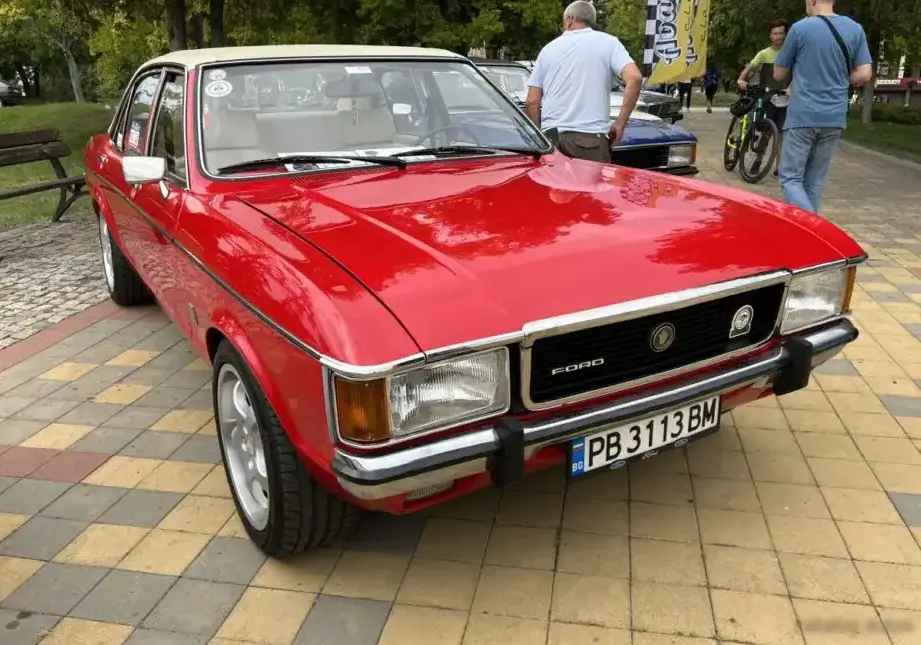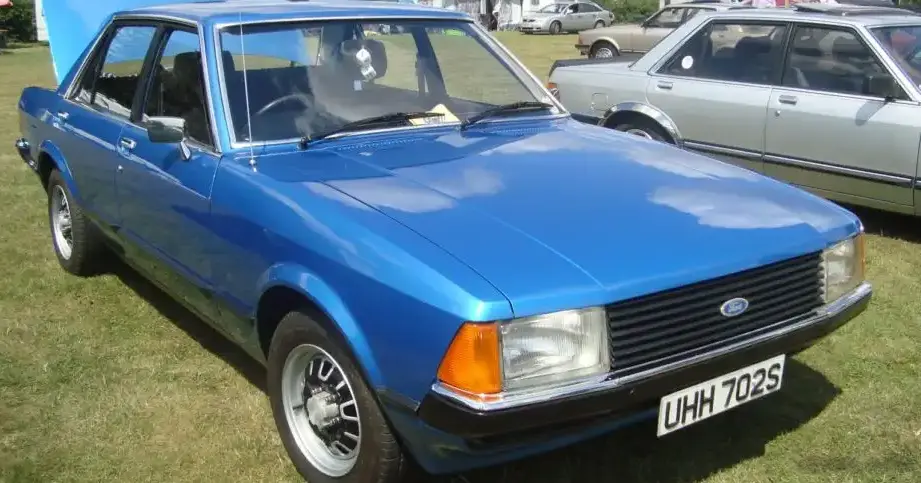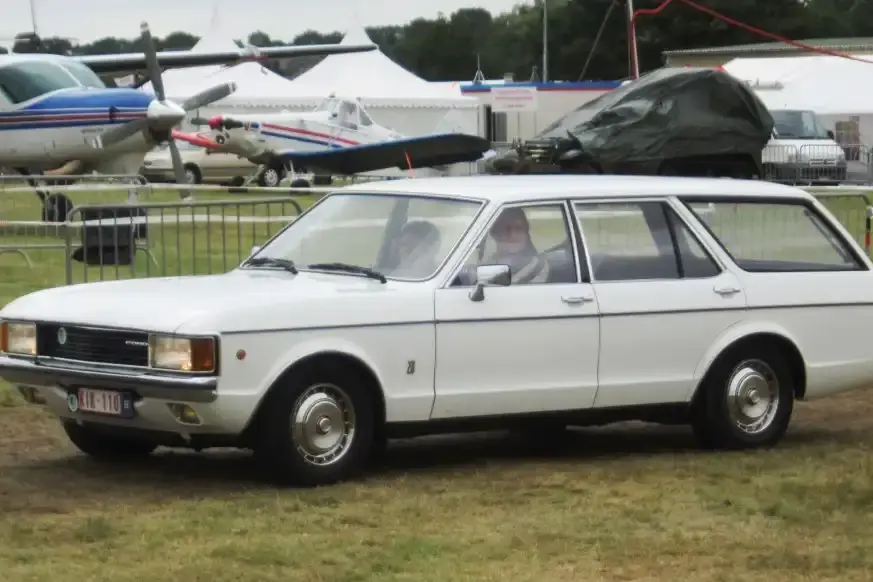
The Ford Granada Turnier 1.7, produced between 1974 and 1977, represented the entry-level variant of Ford of Britain’s popular Granada estate car range (designated GGNL). Positioned as a practical and economical family vehicle, the 1.7-liter Turnier aimed to provide the spaciousness of a station wagon at a more accessible price point than its larger-engined siblings. It was part of the first generation Granada line, which aimed to consolidate Ford’s large car offerings in Europe, replacing the Ford Zephyr and Zodiac. The Turnier body style, introduced in 1974, added significantly to the Granada’s appeal, offering increased versatility for families and those requiring substantial cargo capacity. This variant played a crucial role in establishing the Granada as a dominant force in the European market.
Technical Specifications
| Brand | Ford |
| Model | Granada |
| Generation | Granada Turnier (GGNL) |
| Type (Engine) | 1.7 (69 Hp) |
| Start of production | 1974 |
| End of production | 1977 |
| Powertrain Architecture | Internal Combustion engine |
| Body type | Station wagon (estate) |
| Fuel Type | Petrol (Gasoline) |
| Power | 69 Hp |
| Engine aspiration | Naturally aspirated engine |
Powertrain & Engine Architecture
The Granada Turnier 1.7 was powered by the Ford Taunus 1.7-liter inline-four cylinder engine, internally designated as the ‘Type 105E’. This engine, while relatively simple in design, was known for its durability and ease of maintenance. It featured a single overhead camshaft (SOHC) operating two valves per cylinder. Fuel delivery was managed by a single Zenith 32NDIV downdraft carburetor, a common setup for Ford engines of the era. The engine produced 69 horsepower (metric) at 5000 rpm and 98 lb-ft of torque at 3000 rpm. The engine block was cast iron, while the cylinder head was aluminum alloy, contributing to a reasonable weight for its size. The transmission paired with the 1.7-liter engine was typically a four-speed manual gearbox, although a three-speed automatic transmission (Ford C3) was also available, albeit less common in this base trim. The automatic transmission, while offering convenience, did noticeably impact acceleration and fuel economy.
Driving Characteristics
The 1.7-liter Granada Turnier offered a comfortable, if not particularly exhilarating, driving experience. With its modest power output, acceleration was leisurely, especially when equipped with the automatic transmission. The car was geared towards relaxed cruising and practicality rather than sporty performance. The four-speed manual transmission allowed for better control and slightly improved acceleration, enabling drivers to keep the engine within its optimal power band. The suspension, consisting of independent front suspension with MacPherson struts and a live axle with leaf springs at the rear, provided a reasonably comfortable ride, although it could feel somewhat bouncy when fully loaded. Steering was by a recirculating ball system, offering adequate precision but lacking the responsiveness of more modern steering technologies. Compared to the larger-engined Granada variants (such as the 2.0L or 3.0L models), the 1.7 felt noticeably slower, particularly when climbing hills or overtaking. However, its lighter weight did contribute to slightly better fuel economy.
Equipment & Trim Levels
The 1.7-liter Granada Turnier was positioned as the entry-level model, and as such, its standard equipment list was relatively basic. Typically, it included cloth upholstery, vinyl floor coverings, and a simple dashboard layout. Features like a radio, heated rear window, and whitewall tires were often optional extras. The interior was functional and durable, prioritizing practicality over luxury. Trim levels were fairly limited; the 1.7 generally received minimal exterior embellishments. However, options such as a sunroof, upgraded upholstery, and power steering were available at an additional cost. The Turnier estate body style itself added a degree of practicality, with a large cargo area accessible through a rear tailgate. The rear seats could be folded down to further increase cargo capacity.
Chassis & Braking
The Granada Turnier 1.7 utilized a body-on-frame construction, a common practice for Ford at the time. The chassis provided a robust foundation for the car, contributing to its durability. The front suspension featured MacPherson struts, coil springs, and an anti-roll bar, while the rear suspension employed a live axle with leaf springs. Braking was initially accomplished with drum brakes on all four wheels, although front disc brakes became standard later in the production run. The braking system was adequate for the car’s weight and performance, but lacked the stopping power of more modern braking systems. Steering was a recirculating ball type, providing reasonable control but lacking the precision of rack and pinion steering. The car’s relatively simple chassis design contributed to its ease of maintenance and repair.
Market Reception & Comparison
The Ford Granada Turnier 1.7 was generally well-received as a practical and affordable family vehicle. Critics praised its spacious interior, comfortable ride, and reasonable fuel economy. However, its modest performance was often noted as a drawback, particularly when compared to the more powerful Granada variants. The 1.7-liter engine was considered adequate for everyday driving, but struggled when fully loaded or tackling steep hills. Compared to the 2.0L and 3.0L models, the 1.7 offered significantly lower running costs, making it an attractive option for budget-conscious buyers. The automatic transmission, while convenient, further reduced performance and increased fuel consumption. The Turnier estate body style was a major selling point, providing a versatile and practical alternative to traditional saloons. In terms of reliability, the 1.7-liter engine proved to be relatively robust, although regular maintenance was essential to ensure its longevity.
Legacy
The Ford Granada Turnier 1.7, while not the most powerful or glamorous version of the Granada, holds a significant place in automotive history as a practical and affordable family car of its era. The 105E engine, while superseded by more modern designs, is still regarded as a durable and reliable unit. Today, surviving examples of the Granada Turnier 1.7 are becoming increasingly rare and sought after by classic car enthusiasts. The car’s simple mechanical design makes it relatively easy to maintain and repair, appealing to those who enjoy hands-on restoration projects. The Turnier estate body style remains popular, offering a unique and stylish alternative to more common classic cars. While not a performance icon, the Granada Turnier 1.7 represents a significant chapter in Ford’s history and a testament to the enduring appeal of practical, well-built family vehicles.