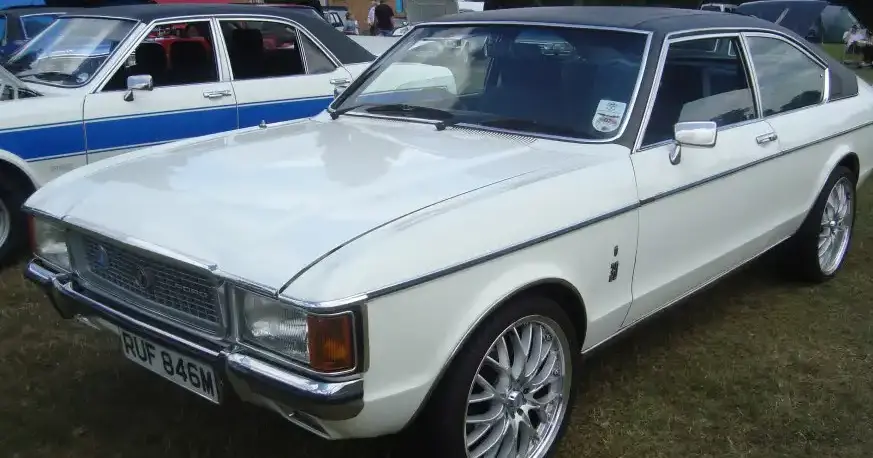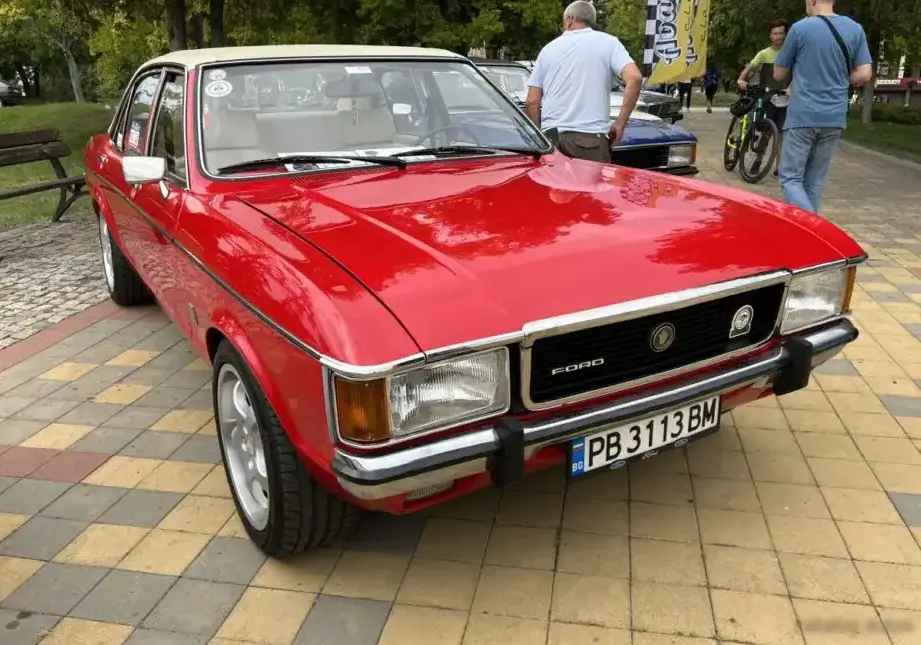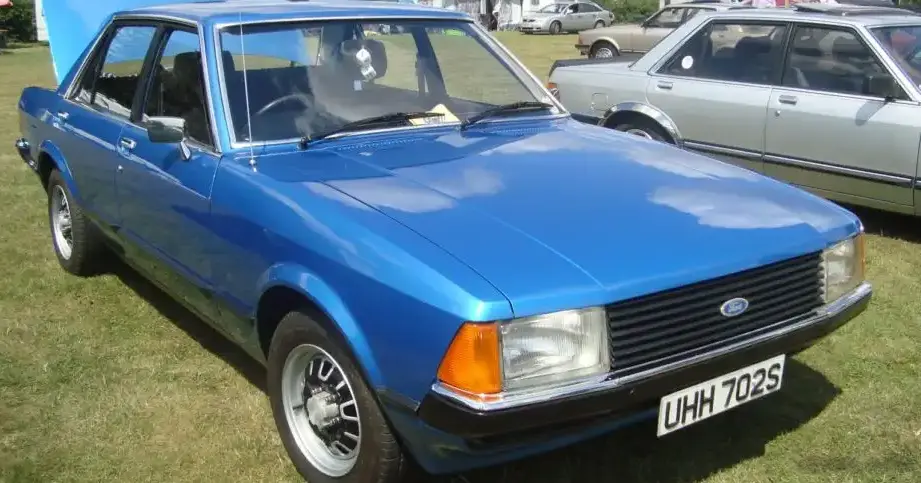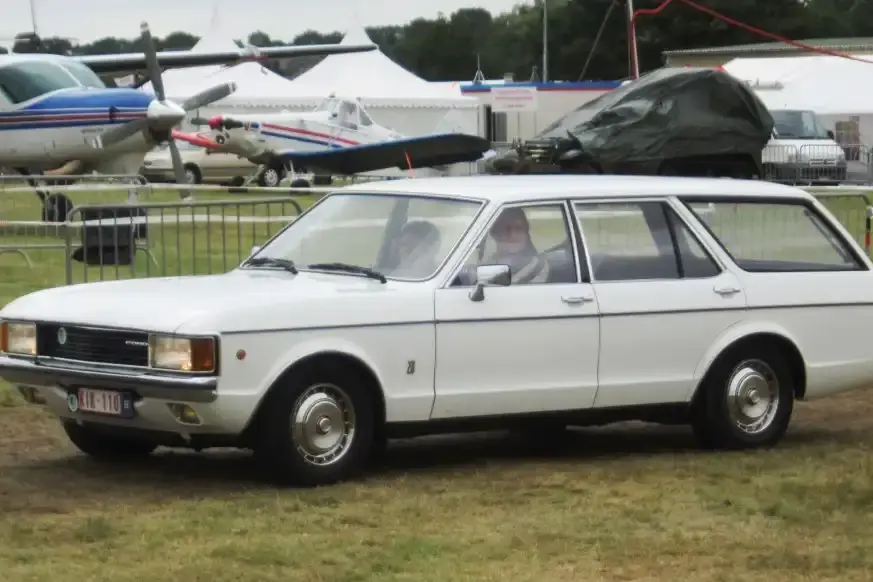
The Ford Granada Turnier 3.0, produced between 1972 and 1976, represented the station wagon (estate) variant of Ford’s large family car, the Granada. Falling within the first generation of the Granada (designated GGNL), the Turnier offered a practical alternative to the saloon models, catering to buyers needing increased cargo capacity. The 3.0-liter engine, producing 137 horsepower, positioned this variant as a mid-to-upper range offering within the Granada lineup, appealing to those seeking a blend of performance and practicality. The Turnier aimed to compete with other European estates like the Vauxhall Cresta Estate and Volvo 145, offering a distinctly British take on the family wagon.
Technical Specifications
| Brand | Ford |
| Model | Granada |
| Generation | Granada Turnier (GGNL) |
| Type (Engine) | 3.0 (137 Hp) |
| Start of production | 1972 |
| End of production | 1976 |
| Powertrain Architecture | Internal Combustion engine |
| Body type | Station wagon (estate) |
| Fuel Type | Petrol (Gasoline) |
| Power | 137 Hp |
| Engine aspiration | Naturally aspirated engine |
Powertrain & Engine Architecture
The heart of the Granada Turnier 3.0 was the Ford Essex V6 engine, a 2994cc (approximately 183 cubic inches) naturally aspirated powerplant. This engine, designated as the ‘Essex’ family, was a 60-degree V6 known for its relatively smooth operation and decent power output for its time. The 137 horsepower figure was achieved through a compression ratio of 8.9:1 and utilized a single Zenith-Stromberg 360CD carburetor. The engine featured a cast iron block and cylinder heads, contributing to its durability, but also adding to its overall weight. Valve actuation was via a single overhead camshaft, operating two valves per cylinder. While not a particularly high-revving engine, the Essex V6 delivered a respectable amount of torque, making it well-suited to hauling loads – a key consideration for Turnier buyers.
The transmission paired with the 3.0-liter engine was typically a four-speed manual gearbox, although a three-speed automatic transmission (Ford C4) was also available, and quite popular with Turnier buyers seeking ease of use. The automatic transmission, while offering convenience, did slightly diminish the car’s acceleration and fuel economy. The rear-wheel drive configuration was standard, as was typical for large European cars of this era.
Driving Characteristics
The Granada Turnier 3.0 offered a comfortable, if not particularly sporty, driving experience. The 3.0-liter engine provided adequate acceleration for overtaking and cruising on motorways, but it wasn’t a performance-oriented vehicle. The automatic transmission, when equipped, resulted in a more relaxed driving style, with smooth gear changes but a noticeable delay in response compared to the manual version. The Turnier’s suspension, featuring independent front suspension with MacPherson struts and a live axle rear suspension with leaf springs, prioritized ride comfort over sharp handling. The car felt substantial and planted on the road, but body roll was evident during cornering. The steering, while not power-assisted in all models, was relatively light and easy to use. Compared to the smaller-engined Granadas, the 3.0-liter Turnier felt significantly more capable when fully loaded with passengers and luggage.
Equipment & Trim Levels
The Granada Turnier 3.0 typically came equipped with a reasonable level of standard features for the early 1970s. These included cloth upholstery, a wood-effect dashboard trim, and a basic instrument panel. Power steering and a radio were often optional extras. The Turnier trim level generally offered a slightly more refined interior compared to the base Granada models, with improved seat fabrics and additional sound insulation. Optional extras included a vinyl roof, electric windows, and a more sophisticated radio/cassette player. The Turnier’s interior was designed with practicality in mind, offering ample space for passengers and a large, easily accessible cargo area. The rear seats could be folded down to further increase cargo capacity.
Chassis & Braking
The Granada Turnier 3.0 utilized a robust chassis designed to handle the weight of the vehicle and its occupants, as well as the potential for heavy loads. The front suspension employed MacPherson struts, coil springs, and an anti-roll bar, while the rear suspension featured a live axle with leaf springs. Braking was initially accomplished with Dunlop disc brakes on the front wheels and drum brakes on the rear. Later models saw the introduction of rear disc brakes on some variants, improving stopping performance. The steering system was a recirculating ball type, providing a relatively direct feel. The Turnier’s chassis was designed to provide a comfortable ride and stable handling, prioritizing practicality over outright performance.
Market Reception & Comparison
The Ford Granada Turnier 3.0 was generally well-received by the motoring press and the public. Critics praised its spacious interior, comfortable ride, and the capable 3.0-liter engine. However, some criticized its somewhat dated styling and its relatively high price compared to some of its competitors. Compared to the smaller-engined Granadas (e.g., the 2.0-liter), the 3.0-liter Turnier offered significantly more performance and refinement, but at the cost of increased fuel consumption. Compared to the automatic transmission equipped models, the manual transmission versions offered better acceleration and fuel economy. The Turnier’s main rivals included the Vauxhall Cresta Estate, the Volvo 145, and the Hillman Estate, each offering a slightly different blend of features and performance.
Legacy
The Ford Granada Turnier 3.0, while not a particularly rare or highly sought-after classic car today, holds a significant place in British automotive history. The Essex V6 engine, while prone to some issues like oil leaks, proved to be a durable and reliable powerplant when properly maintained. The Turnier’s spacious interior and practical design continue to appeal to enthusiasts seeking a classic family wagon. Finding well-preserved examples can be challenging, as many were used as workhorses and subjected to hard use. However, those that remain are valued for their classic charm and their ability to evoke a bygone era of motoring. The Turnier’s influence can be seen in later Ford estates, which continued to prioritize practicality and comfort. Today, the Granada Turnier 3.0 represents a tangible link to a time when large, comfortable family cars were the norm, and a testament to Ford’s enduring commitment to building practical and reliable vehicles.