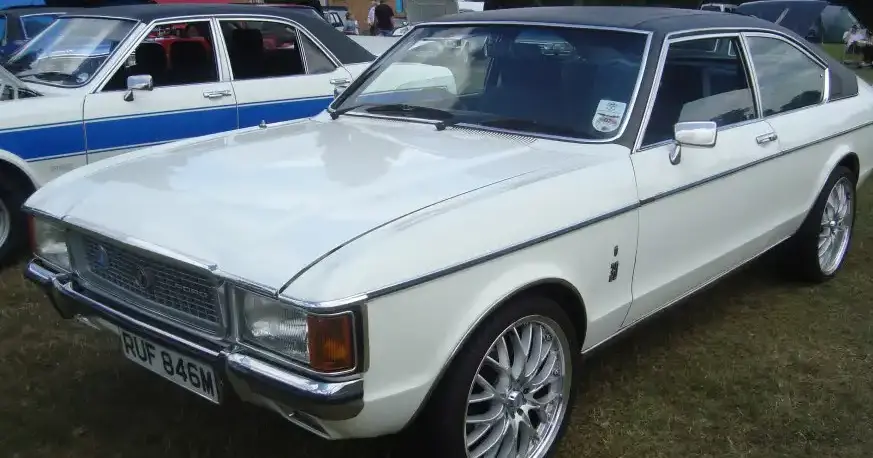
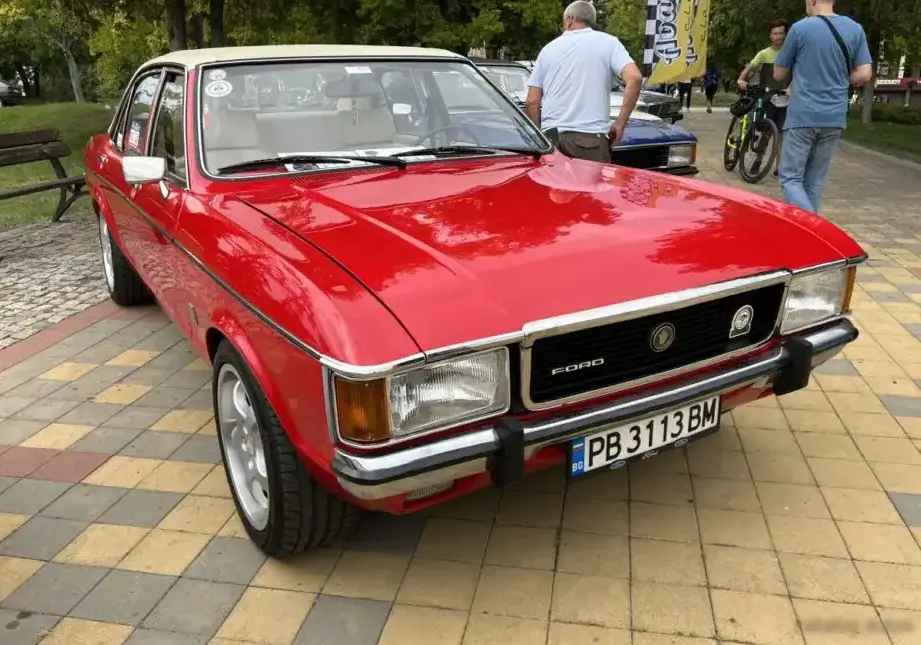
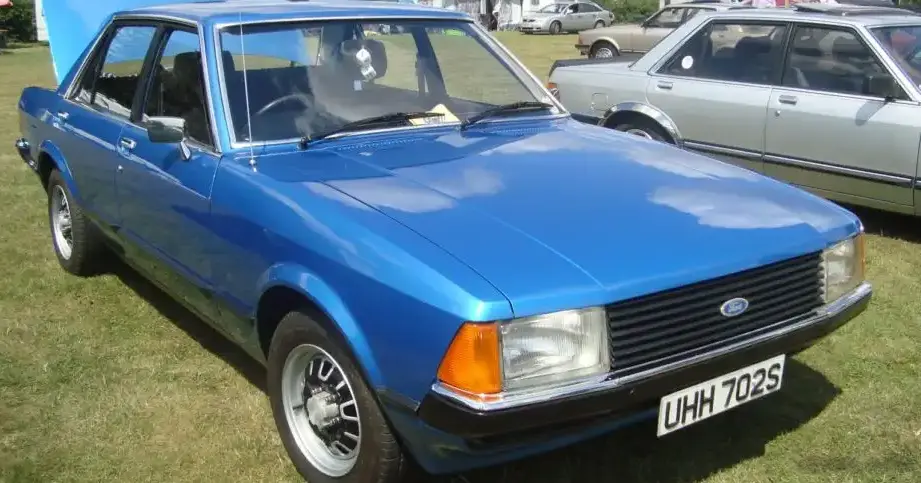
The Ford Granada Turnier 2.0, produced between 1979 and 1985, represented a practical and relatively affordable offering within the larger Granada range. Part of the GNU generation, the Turnier – Ford’s designation for its station wagon or estate body style – aimed to provide family-oriented buyers with a spacious and comfortable vehicle. This 2.0-liter, 101 horsepower variant occupied a mid-range position in the Granada lineup, slotting below the more powerful V6 options and above the base 1.6-liter models. It was primarily marketed towards those needing a versatile vehicle for both daily commuting and carrying larger loads, offering a balance between performance and economy.
Technical Specifications
| Brand | Ford |
| Model | Granada |
| Generation | Granada Turnier (GNU) |
| Type (Engine) | 2.0 (101 Hp) |
| Start of production | 1979 |
| End of production | 1985 |
| Powertrain Architecture | Internal Combustion engine |
| Body type | Station wagon (estate) |
| Fuel Type | Petrol (Gasoline) |
| Power | 101 Hp |
| Engine aspiration | Naturally aspirated engine |
| Length | 4630 mm (182.28 in.) |
| Width | 1740 mm (68.5 in.) |
| Height | 1380 mm (54.33 in.) |
| Wheelbase | 2770 mm (109.06 in.) |
Powertrain & Engine Architecture
The heart of the Granada Turnier 2.0 was the Ford Cologne engine, specifically the 2.0-liter inline-four cylinder unit. This engine, designated as the 205 block, was a robust and relatively simple design, known for its durability. It featured a cast iron block and an aluminum cylinder head. Fuel delivery was managed by a Bosch K-Jetronic mechanical fuel injection system, a sophisticated system for its time that offered improved fuel efficiency and reduced emissions compared to carbureted engines. The engine employed a single overhead camshaft (SOHC) valvetrain with two valves per cylinder. The 101 horsepower output was achieved at 5500 rpm, with peak torque of approximately 126 lb-ft at 3000 rpm. The transmission paired with this engine was typically a three-speed automatic, although a four-speed manual was also available. The automatic transmission, while providing convenience, was not known for its particularly quick shifts or sporty feel.
Driving Characteristics
The driving experience in the Granada Turnier 2.0 was characterized by comfort and practicality rather than outright performance. The 101 horsepower engine provided adequate power for everyday driving, but acceleration was not brisk, especially when fully loaded. The automatic transmission contributed to a smooth, if somewhat leisurely, driving style. Gear ratios were geared towards fuel economy and relaxed cruising. Compared to the larger V6 engines available in the Granada range, the 2.0-liter felt noticeably less powerful, particularly when overtaking or climbing hills. However, it offered a significant improvement in fuel economy. The Turnier’s suspension, consisting of MacPherson struts at the front and a live axle with trailing arms at the rear, provided a comfortable ride, absorbing bumps and imperfections in the road reasonably well. The steering was power-assisted, making maneuvering easy, but lacked the precision of more modern systems.
Equipment & Trim Levels
The Granada Turnier 2.0 typically came equipped with a reasonable level of standard features for its era. These included cloth upholstery, a basic AM/FM radio, and central locking. Trim levels varied depending on the market, but generally included options like upgraded cloth or vinyl upholstery, a sunroof, and more sophisticated audio systems. The Turnier’s spacious interior was a key selling point, offering ample headroom and legroom for passengers. The rear seats could be folded down to create a larger cargo area, enhancing the vehicle’s versatility. Optional extras included air conditioning, power windows, and a trip computer, though these were less common on the 2.0-liter models.
Chassis & Braking
The Granada Turnier’s chassis was a traditional body-on-frame construction, providing a robust and durable platform. The front suspension utilized MacPherson struts, while the rear employed a live axle with trailing arms and leaf springs. Braking was initially provided by disc brakes at the front and drum brakes at the rear. Later models often featured disc brakes all around, offering improved stopping power. The steering system was a recirculating ball system with power assistance. Stabilizer bars were fitted to both the front and rear axles to reduce body roll during cornering. The Turnier’s weight, typically around 3,300 lbs, contributed to its stable handling characteristics, but also limited its overall agility.
Market Reception & Comparison
The Ford Granada Turnier 2.0 was generally well-received by critics as a practical and comfortable family car. It was praised for its spacious interior, comfortable ride, and relatively fuel-efficient engine. However, it was often criticized for its lack of outright performance compared to its V6 siblings. Compared to other estate cars of the time, such as the Vauxhall Estate and the Volvo 245, the Granada Turnier offered a good balance of features and price. The 1.6-liter Granada Turnier was more affordable but lacked the power for comfortable highway cruising, while the V6 models were significantly more expensive. Fuel economy for the 2.0-liter was respectable for the era, averaging around 22-26 mpg.
Legacy
The Ford Granada Turnier 2.0, while not a particularly rare or collectible classic, remains a popular choice among enthusiasts seeking a practical and affordable vintage vehicle. The Cologne 2.0-liter engine is known for its reliability and relatively simple maintenance requirements. Parts availability is generally good, although some specific trim pieces can be difficult to find. The automatic transmission, while not the most sophisticated, is generally durable if properly maintained. Today, these vehicles are often found in restored condition or as project cars, appealing to those who appreciate the classic styling and robust engineering of the Ford Granada. The Turnier’s spacious interior and versatile cargo area continue to make it a practical choice for those needing a classic vehicle for everyday use.