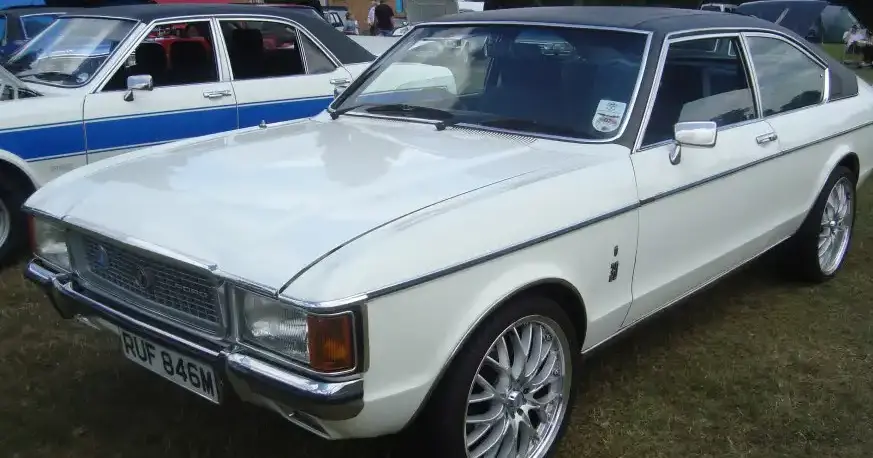
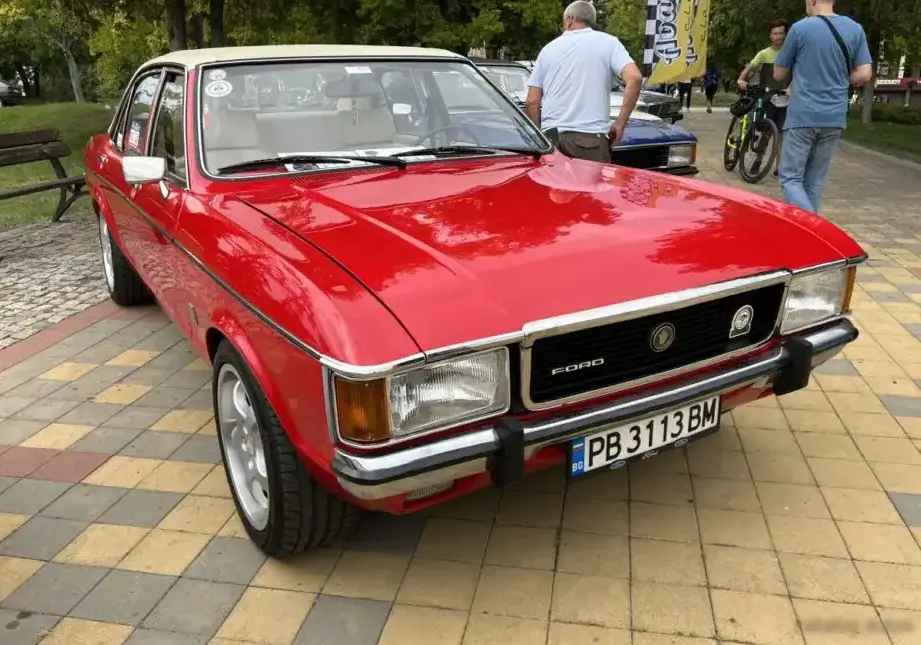
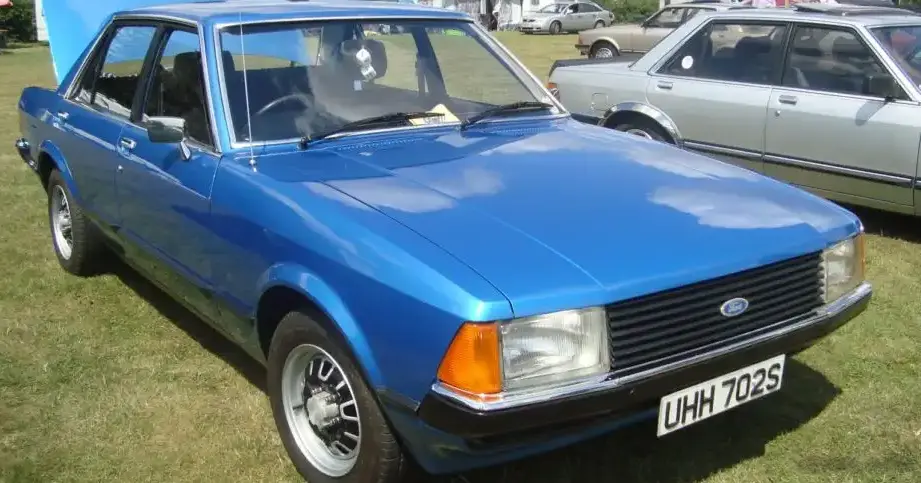
The Ford Granada Turnier 2.0, producing 90 horsepower, was a variant of the GNU generation Granada Turnier (estate) produced between 1977 and 1985. Positioned as a mid-range offering within the Granada lineup, it catered to buyers seeking a practical, spacious family vehicle with reasonable fuel economy. The Turnier, Ford’s designation for its station wagon models, represented a significant expansion of the Granada’s appeal, offering increased cargo capacity and versatility compared to the saloon versions. This particular 2.0-liter engine and transmission combination aimed to balance affordability with acceptable performance for everyday driving needs in the European market.
Technical Specifications
| Brand | Ford |
| Model | Granada |
| Generation | Granada Turnier (GNU) |
| Type (Engine) | 2.0 (90 Hp) |
| Start of production | 1977 |
| End of production | 1985 |
| Powertrain Architecture | Internal Combustion engine |
| Body type | Station wagon (estate) |
| Fuel Type | Petrol (Gasoline) |
| Power | 90 Hp |
| Engine aspiration | Naturally aspirated engine |
| Length | 4630 mm (182.28 in.) |
| Width | 1740 mm (68.5 in.) |
| Height | 1380 mm (54.33 in.) |
| Wheelbase | 2770 mm (109.06 in.) |
Powertrain & Engine Architecture
The Granada Turnier 2.0 utilized the Ford Cologne engine family, specifically the 2.0-liter inline-four cylinder engine. This engine, designated as the 205 block, was a robust and relatively simple design. The 90 horsepower output was achieved through a modest compression ratio (typically around 8.8:1) and a two-barrel carburetor, often a Weber or Solex unit. The engine featured a single overhead camshaft (SOHC) valvetrain, operating two valves per cylinder. Fuel delivery was managed by the carburetor, a common setup for the era, prioritizing simplicity and cost-effectiveness over the more advanced fuel injection systems emerging at the time.
The transmission paired with this engine was typically a three-speed automatic, the Ford C3 automatic transmission. This transmission was known for its durability but wasn’t particularly sophisticated. It featured a torque converter and a relatively conservative gear ratio spread, prioritizing smooth operation and fuel economy over outright acceleration. The automatic transmission was a key selling point for buyers who preferred the convenience of not having to manually shift gears, particularly in urban driving conditions.
Driving Characteristics
The 2.0-liter, 90 hp Granada Turnier offered adequate, but not exhilarating, performance. Acceleration was leisurely, with a 0-60 mph time estimated to be around 13-14 seconds. The automatic transmission contributed to this, with noticeable torque converter slip and relatively slow gear changes. The engine’s torque peak, around 115 lb-ft, was delivered at a moderate RPM, providing sufficient power for cruising on motorways and handling moderate inclines. However, overtaking maneuvers required careful planning. Compared to the larger 2.8-liter V6 versions of the Granada, the 2.0 was noticeably slower, but it offered significantly better fuel economy. The three-speed automatic’s gear ratios were optimized for comfortable cruising rather than sporty driving. The suspension, while comfortable, wasn’t particularly sporty, resulting in a noticeable amount of body roll during cornering.
Equipment & Trim Levels
The 2.0-liter Granada Turnier typically occupied a mid-range position in the trim level hierarchy. Standard equipment generally included cloth upholstery, a basic AM/FM radio, and manual windows. Power steering was often an optional extra, as was air conditioning. The Turnier’s interior was functional and spacious, prioritizing practicality over luxury. Dashboard design was relatively simple, with clearly labeled controls. Higher trim levels, such as the Ghia, offered more luxurious appointments, including leather upholstery, wood trim, and more advanced features like electric windows and a sunroof. The base trim level was more spartan, focusing on affordability. Optional extras for the 2.0L model included a vinyl roof, upgraded sound systems, and different wheel trims.
Chassis & Braking
The Granada Turnier utilized a traditional body-on-frame construction, providing a robust and durable chassis. The front suspension consisted of independent MacPherson struts, while the rear suspension employed a live axle with leaf springs. This setup prioritized ride comfort and load-carrying capacity over handling precision. Braking was typically accomplished with disc brakes on the front wheels and drum brakes on the rear wheels. The braking system was adequate for the vehicle’s weight and performance, but it lacked the stopping power of more modern systems. Stabilizer bars were fitted to both the front and rear axles to reduce body roll, but their effectiveness was limited by the suspension design. The steering was a recirculating ball system, providing a relatively heavy but precise feel.
Market Reception & Comparison
The Ford Granada Turnier 2.0 was generally well-received by critics as a practical and affordable family vehicle. It was praised for its spacious interior, comfortable ride, and reasonable fuel economy. However, it was criticized for its relatively slow performance and somewhat dated technology. Compared to other station wagons in its class, such as the Vauxhall Cavalier Estate and the Volvo 245, the Granada Turnier offered a good balance of price, practicality, and comfort. The 2.8-liter V6 Granada Turnier offered significantly more performance, but at a higher price and with lower fuel economy. The smaller 1.6-liter versions were more affordable but lacked the power needed for long-distance cruising or carrying heavy loads. Fuel economy was a key selling point, averaging around 22-26 mpg in mixed driving conditions.
Legacy
The Ford Granada Turnier 2.0, while not a particularly exciting vehicle, proved to be a reliable and durable workhorse. The Cologne engine is known for its longevity, and the automatic transmission, while not sophisticated, is generally robust. Today, these vehicles are relatively rare, but well-maintained examples are sought after by classic car enthusiasts. Parts availability can be a challenge, but many components are still available through specialist suppliers. The 2.0-liter engine’s simplicity makes it relatively easy to maintain and repair. The Granada Turnier’s spacious interior and practical design continue to appeal to those seeking a classic family vehicle with a touch of retro charm. The car represents a significant era in Ford’s history, showcasing the company’s commitment to building practical and affordable vehicles for the European market.