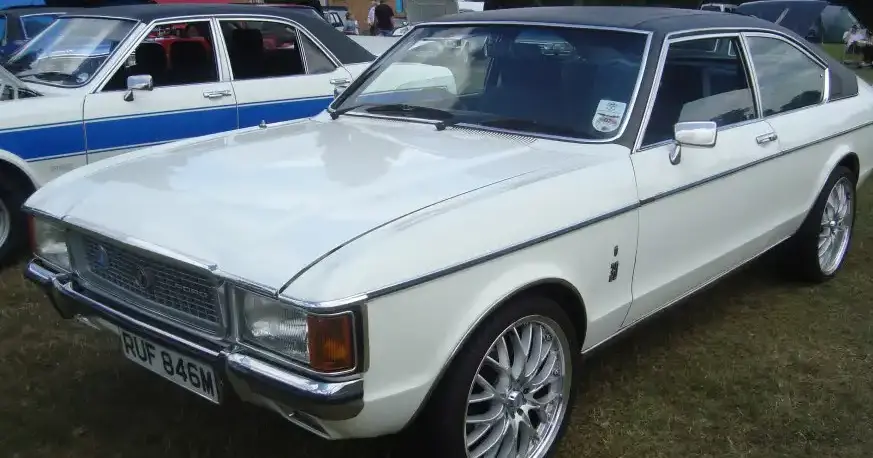
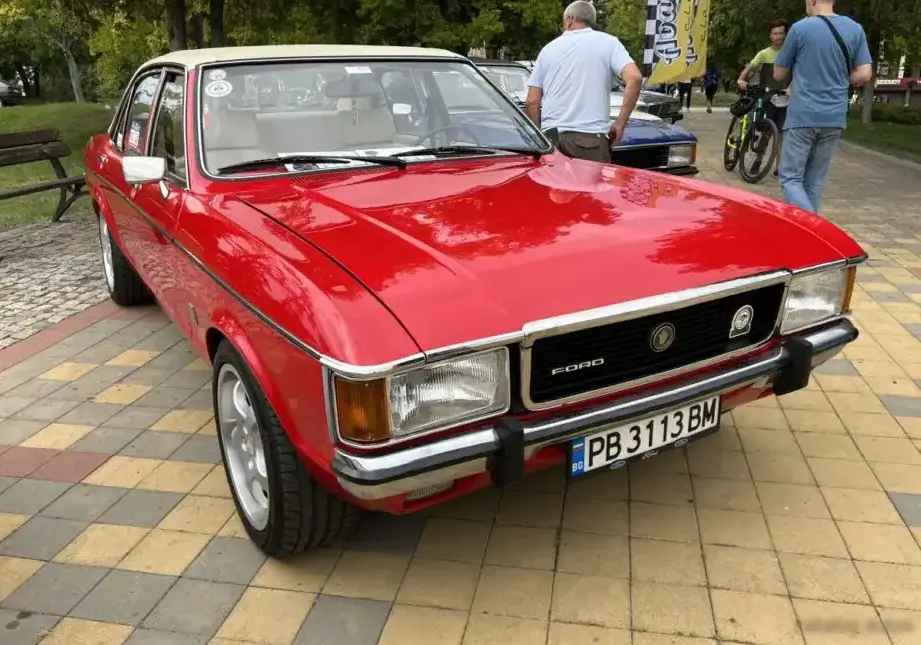
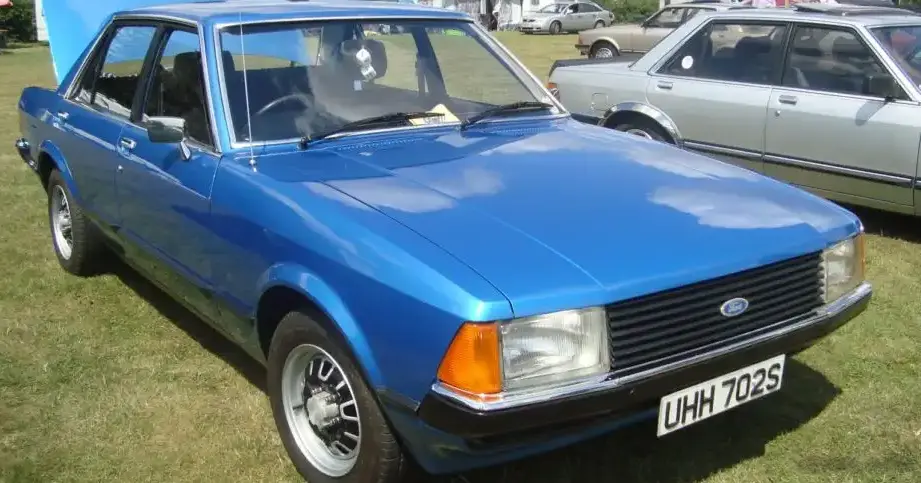
The Ford Granada Turnier 2.3, produced between 1979 and 1985, represented a significant offering in Ford of Europe’s large family car lineup. Part of the GNU generation of the Granada, the Turnier – Ford’s designation for its station wagon (estate) body style – aimed to provide practicality and space without sacrificing the comfort and refinement expected of the Granada nameplate. This 2.3-liter variant, producing 114 horsepower, occupied a middle ground in the Granada Turnier range, positioned above the smaller engine options and below the more powerful V6 models. It was primarily marketed towards families and individuals requiring a versatile vehicle for both everyday transport and longer journeys.
Technical Specifications
| Brand | Ford |
| Model | Granada |
| Generation | Granada Turnier (GNU) |
| Type (Engine) | 2.3 (114 Hp) |
| Start of production | 1979 |
| End of production | 1985 |
| Powertrain Architecture | Internal Combustion engine |
| Body type | Station wagon (estate) |
| Fuel Type | Petrol (Gasoline) |
| Power | 114 Hp |
| Engine aspiration | Naturally aspirated engine |
| Length | 4630 mm (182.28 in.) |
| Width | 1740 mm (68.5 in.) |
| Height | 1380 mm (54.33 in.) |
| Wheelbase | 2770 mm (109.06 in.) |
Powertrain & Engine Architecture
The heart of the Granada Turnier 2.3 was the Ford Cologne 2.3-liter inline-four cylinder engine. This engine, part of the Cologne engine family, was a robust and relatively simple design, known for its durability. It featured a cast iron block and an aluminum cylinder head, utilizing a single overhead camshaft (SOHC) valvetrain with two valves per cylinder. Fuel delivery was managed by a Bosch K-Jetronic mechanical fuel injection system, a sophisticated system for its time that offered improved fuel efficiency and reduced emissions compared to carbureted engines. The 114 horsepower output was achieved at 5500 rpm, with peak torque of approximately 134 lb-ft at 3500 rpm. The engine was typically paired with a four-speed automatic transmission, although a five-speed manual transmission was also available, though less common in the Turnier variant. The automatic transmission, while providing convenience, was not known for its particularly quick shifts or sporty feel.
Driving Characteristics
The 2.3-liter engine in the Granada Turnier provided adequate, but not exhilarating, performance. Acceleration was respectable for the era, with a 0-60 mph time estimated around 11-12 seconds. The automatic transmission contributed to a smooth, if somewhat leisurely, driving experience. The gear ratios were geared towards fuel economy and comfortable cruising rather than outright speed. Compared to the larger V6 engines offered in the Granada range, the 2.3 felt noticeably less powerful, particularly when fully loaded with passengers and luggage. However, it offered a better balance between performance and fuel consumption. The manual transmission version, when equipped, provided a more engaging driving experience and slightly improved acceleration, but was less popular due to the target demographic of the Turnier being more inclined towards the convenience of an automatic.
Equipment & Trim Levels
The Granada Turnier 2.3 typically came equipped with a reasonable level of standard features for a car of its class in the late 1970s and early 1980s. These included cloth upholstery, a basic AM/FM radio, and central locking. Higher trim levels, such as the ‘L’ and ‘GL’ variants, added features like power windows, a sunroof, upgraded interior trim, and more sophisticated audio systems. The Turnier’s spacious interior was a key selling point, offering ample headroom and legroom for passengers. The rear seats could be folded down to increase cargo capacity, making it a practical choice for families. Optional extras included air conditioning, a trip computer, and various exterior styling enhancements.
Chassis & Braking
The Granada Turnier utilized a traditional body-on-frame construction, providing a robust and durable chassis. The front suspension featured independent coil springs and MacPherson struts, while the rear suspension employed a live axle with leaf springs. This setup provided a comfortable ride, although it wasn’t particularly sporty in handling. Braking was initially accomplished with disc brakes on the front wheels and drum brakes on the rear. Later models saw the introduction of rear disc brakes on some trim levels. Power steering was standard on most models, making maneuvering the large station wagon easier. Stabilizer bars were fitted to both the front and rear axles to reduce body roll during cornering.
Market Reception & Comparison
The Ford Granada Turnier 2.3 was generally well-received by automotive critics as a practical and comfortable family car. It was praised for its spacious interior, comfortable ride, and relatively fuel-efficient engine. However, some critics noted that the 2.3-liter engine lacked the punch of the V6 options, and the automatic transmission could feel sluggish. Compared to rivals such as the Vauxhall/Opel Commodore Estate and the Volvo 245, the Granada Turnier offered a good balance of features, performance, and price. Fuel economy was a strong point, averaging around 22-26 mpg in mixed driving conditions, which was competitive for a car of its size and era. Reliability was generally good, although the K-Jetronic fuel injection system could require specialized maintenance.
Legacy
The Ford Granada Turnier 2.3 has become a popular classic car among enthusiasts. The Cologne 2.3-liter engine is known for its durability and relative simplicity, making it a relatively easy engine to maintain and repair. Parts availability is generally good, although some specific components can be difficult to find. Today, well-maintained examples of the Granada Turnier 2.3 are sought after by collectors and enthusiasts who appreciate its classic styling, spacious interior, and comfortable driving experience. While not a performance icon, the 2.3-liter variant represents a practical and reliable choice within the broader Granada lineup, offering a unique blend of comfort, space, and affordability in the used car market.