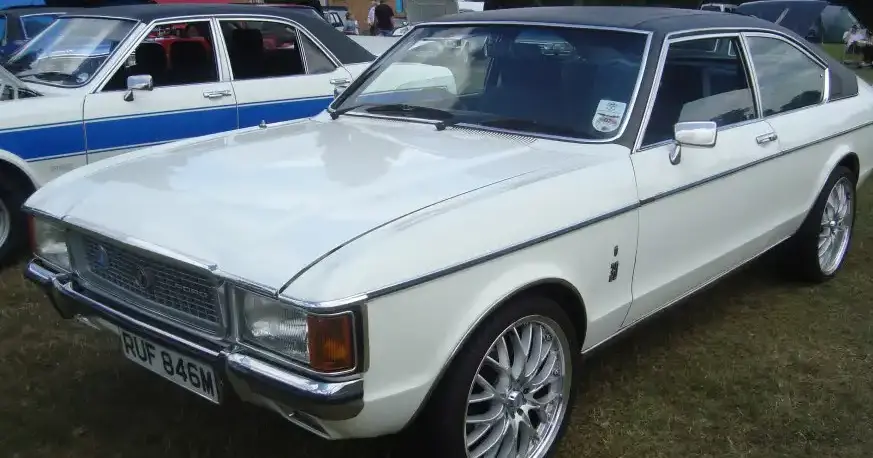
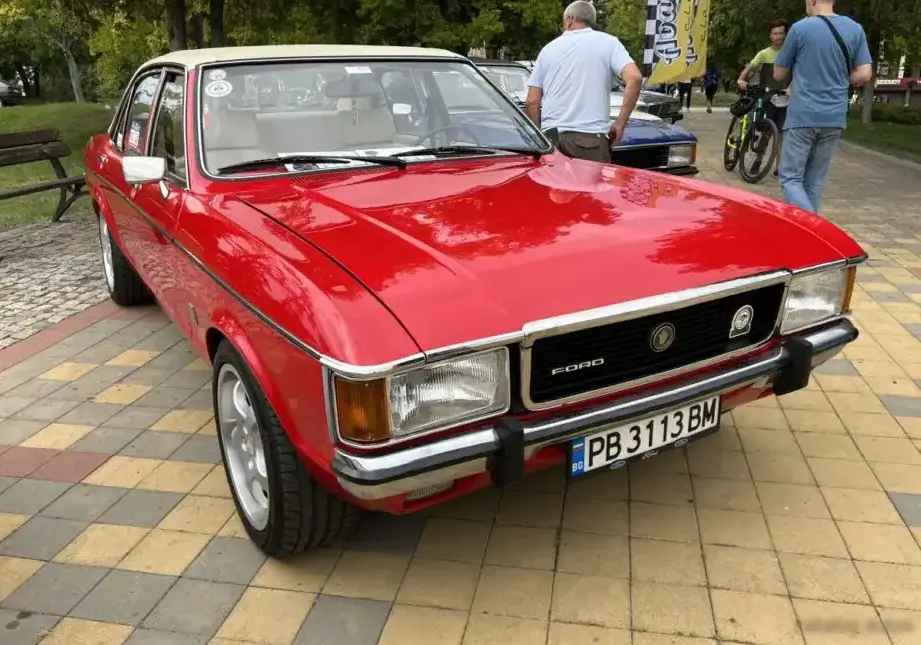
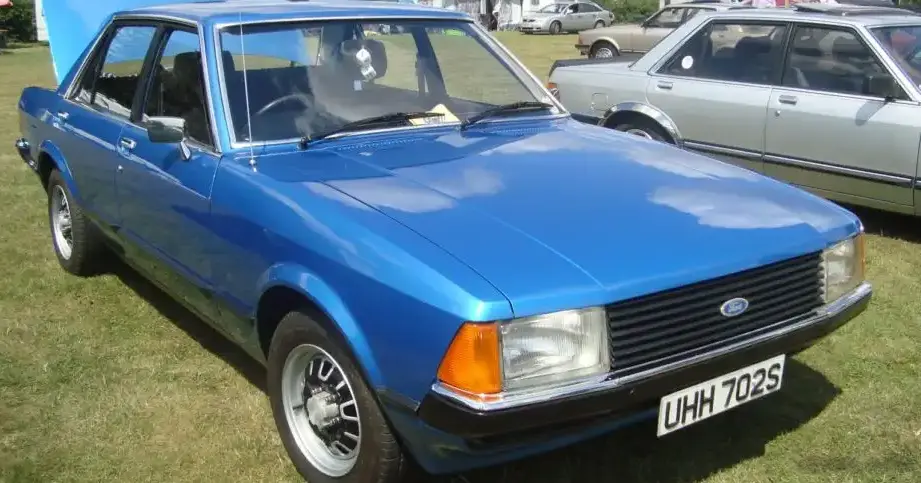
The Ford Granada Turnier 2.5 D, produced between 1982 and 1985, represented a practical and economical offering within the final generation (GNU) of the long-running Granada line. Positioned as the entry-level diesel variant of the Turnier (estate) body style, it catered to buyers prioritizing fuel efficiency and load-carrying capacity over outright performance. The Turnier, Ford’s answer to the growing demand for versatile family vehicles, was a key component of the Granada’s continued relevance in a market increasingly shifting towards more modern designs. This particular 2.5-liter diesel engine and transmission combination aimed to provide a durable and cost-effective solution for those needing a spacious vehicle for work or family use.
Technical Specifications
| Brand | Ford |
| Model | Granada |
| Generation | Granada Turnier (GNU) |
| Type (Engine) | 2.5 D (69 Hp) |
| Start of production | 1982 |
| End of production | 1985 |
| Powertrain Architecture | Internal Combustion engine |
| Body type | Station wagon (estate) |
| Fuel Type | Diesel |
| Power | 69 Hp |
| Engine aspiration | Naturally aspirated engine |
| Length | 4630 mm (182.28 in.) |
| Width | 1740 mm (68.5 in.) |
| Height | 1380 mm (54.33 in.) |
| Wheelbase | 2770 mm (109.06 in.) |
Powertrain & Engine Architecture
The Granada Turnier 2.5 D was powered by Ford’s 2.5-liter four-cylinder diesel engine, internally designated as the 2500cc ‘York’ diesel. This engine, while not known for its refinement, was celebrated for its robustness and longevity. It featured indirect injection, utilizing a Bosch rotary injection pump to deliver fuel into pre-combustion chambers. This design helped to reduce engine noise and improve cold-starting performance, although it wasn’t as efficient as more modern direct-injection systems. The engine produced 69 horsepower at around 3,500 rpm and approximately 128 lb-ft of torque. The transmission was typically a four-speed manual, although a three-speed automatic was also available, albeit less common. The automatic transmission, a Ford-sourced unit, was geared towards maximizing fuel economy rather than providing sporty acceleration. The engine’s valvetrain consisted of a single overhead camshaft operating two valves per cylinder.
Driving Characteristics
The driving experience in the 2.5 D Turnier was decidedly utilitarian. Acceleration was slow, with a 0-60 mph time estimated to be well over 15 seconds. The engine’s torque, however, provided reasonable pulling power for hauling loads or tackling inclines, making it suitable for towing. The automatic transmission, when equipped, further dulled performance, with noticeable delays in downshifting. Gear ratios were widely spaced, prioritizing fuel efficiency at cruising speeds. Compared to the petrol-powered Granada variants, particularly the 2.8i or 2.0i models, the 2.5 D felt significantly underpowered. However, compared to other diesel options available at the time, it offered a reasonable balance of performance and economy. The suspension, tuned for comfort, provided a relatively smooth ride, even when fully loaded, but handling was not particularly sharp.
Equipment & Trim Levels
The 2.5 D Turnier typically represented the base trim level within the Turnier range. Standard equipment included cloth upholstery, a basic instrument cluster, and manual windows and door locks. Power steering was often an optional extra, as was a radio. The interior was functional and durable, prioritizing practicality over luxury. The Turnier’s defining feature was its spacious cargo area, accessible through a large rear tailgate. Rear seats could be folded down to further increase cargo capacity. Optional extras included a sunroof, upgraded sound system, and different wheel trims. The dashboard layout was typical of early 1980s Ford designs, with a straightforward arrangement of gauges and controls.
Chassis & Braking
The Granada Turnier utilized a traditional body-on-frame construction, providing a robust and durable chassis. The front suspension consisted of independent coil springs and MacPherson struts, while the rear suspension employed a live axle with leaf springs. Braking was typically accomplished with disc brakes on the front wheels and drum brakes on the rear. The 2.5 D variant, due to its lower power output, often featured smaller brakes compared to the higher-performance petrol models. Stabilizer bars were fitted to both the front and rear axles to reduce body roll during cornering. Steering was a recirculating ball system, providing a relatively heavy but precise feel.
Market Reception & Comparison
The Ford Granada Turnier 2.5 D was generally well-received by buyers seeking a practical and economical estate car. Critics acknowledged its durability and fuel efficiency, but often criticized its lack of performance and refinement. Compared to other diesel estate cars of the era, such as the Vauxhall Cavalier Estate or the Volvo 240 Estate, the Granada offered a competitive level of space and practicality. However, the Volvo was often praised for its superior build quality and safety features. Within the Granada lineup, the 2.5 D was positioned as the entry-level option, appealing to budget-conscious buyers. The petrol-powered Granadas offered significantly more performance but at the cost of increased fuel consumption. The 2.8i, in particular, was considered a more desirable option for those prioritizing driving enjoyment.
Legacy
The Ford Granada Turnier 2.5 D, while not a particularly glamorous vehicle, has proven to be remarkably durable over the long term. Many examples are still in use today, testament to the robustness of the ‘York’ diesel engine and the overall build quality of the Granada. The powertrain, while simple, is relatively easy to maintain and repair, making it a popular choice for classic car enthusiasts and those seeking a reliable workhorse. In the used car market, these vehicles are typically affordable, although well-maintained examples are becoming increasingly rare. The 2.5 D Turnier represents a significant chapter in Ford’s history, embodying the practical and economical values of the early 1980s. Its enduring presence on roads and in enthusiast circles speaks to its lasting appeal as a dependable and versatile family vehicle.