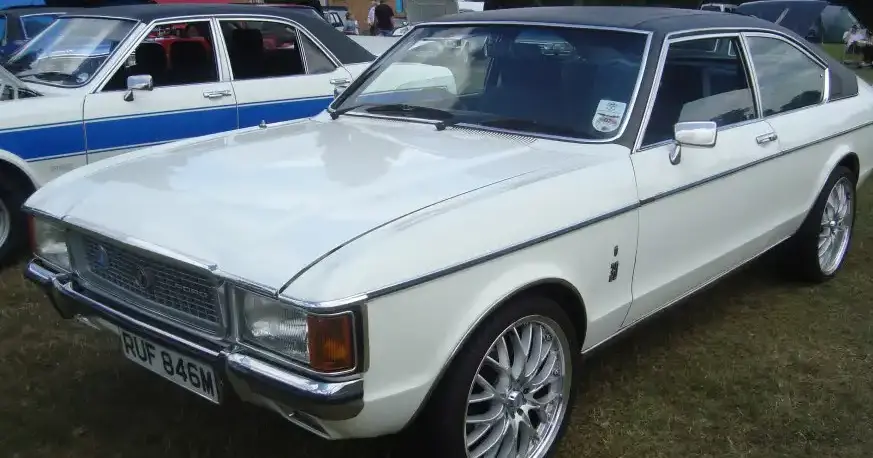
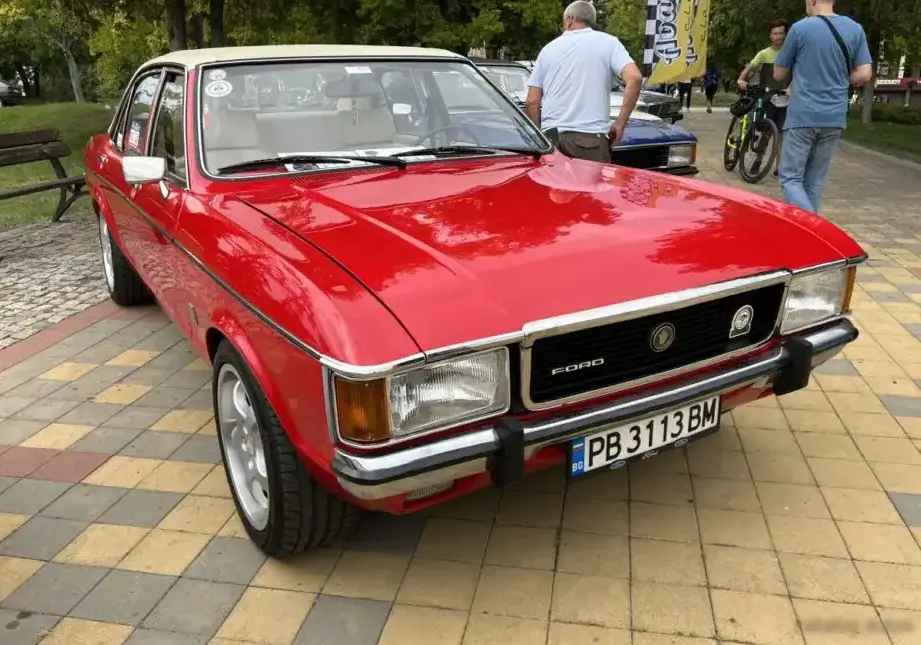
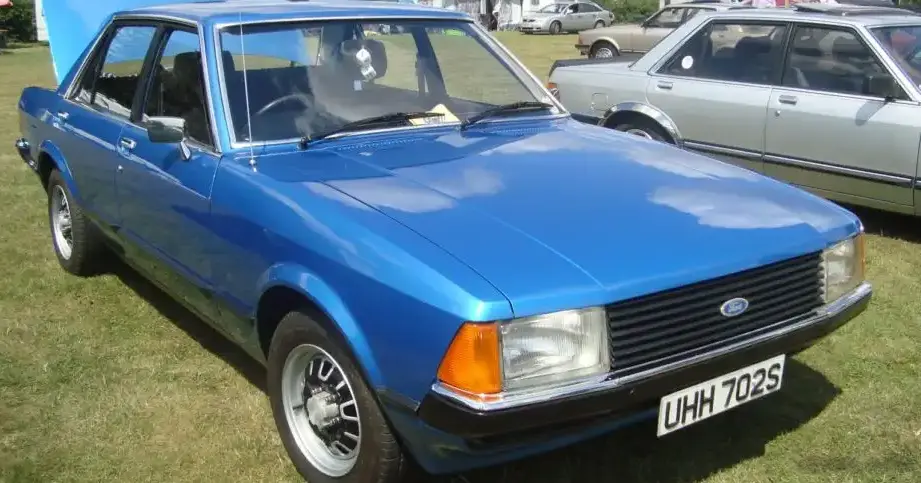
The Ford Granada Turnier 2.8i, produced between 1977 and 1985, represented the top-of-the-line variant of the GNU generation Granada estate car. Positioned as a premium family vehicle, the Turnier (estate) body style offered increased practicality compared to the saloon, while the 2.8i engine provided a significant performance upgrade over lower-spec models. The Granada, in general, was Ford of Britain’s answer to larger European saloons and estates, aiming to provide a comfortable and well-equipped vehicle for long-distance travel and family use. The Turnier specifically targeted buyers needing the space of a wagon without sacrificing the prestige associated with the Granada nameplate.
Technical Specifications
| Brand | Ford |
| Model | Granada |
| Generation | Granada Turnier (GNU) |
| Type (Engine) | 2.8 i (147 Hp) |
| Start of production | 1977 |
| End of production | 1985 |
| Powertrain Architecture | Internal Combustion engine |
| Body type | Station wagon (estate) |
| Fuel Type | Petrol (Gasoline) |
| Power | 147 Hp |
| Engine aspiration | Naturally aspirated engine |
| Length | 4630 mm (182.28 in.) |
| Width | 1740 mm (68.5 in.) |
| Height | 1380 mm (54.33 in.) |
| Wheelbase | 2770 mm (109.06 in.) |
Powertrain & Engine Architecture
The heart of the Granada Turnier 2.8i was the Ford Cologne V6 engine, specifically the 2792cc (170.1 cubic inch) version. This engine, designated as the ‘Cologne 28’, was a 60-degree V6, known for its relatively smooth operation and decent power output. It featured a cast iron block and aluminum cylinder heads. Fuel delivery was handled by a Bosch K-Jetronic mechanical fuel injection system, a sophisticated setup for the time, offering improved efficiency and responsiveness compared to carbureted engines. The engine utilized an overhead valve (OHV) valvetrain with two valves per cylinder. While not a cutting-edge design in terms of head technology, it proved to be robust and reliable. The 2.8i engine produced 147 horsepower at 5500 rpm and 198 lb-ft of torque at 3300 rpm. The transmission was typically a four-speed automatic, although a five-speed manual was available as an option, though less common in the Turnier 2.8i.
Driving Characteristics
The 2.8i automatic combination provided a comfortable and relaxed driving experience. The automatic transmission, while not particularly sporty, offered smooth shifts and made the Granada Turnier an easy car to drive in traffic or on long journeys. Acceleration was respectable for the era, with a 0-60 mph time of around 9.5 seconds, making it noticeably quicker than the four-cylinder models. The torque output of the V6 meant that it didn’t require frequent downshifts for overtaking maneuvers. However, the automatic transmission did sap some power compared to the manual version. The steering was power-assisted, contributing to the ease of driving, but lacked the precision found in more modern vehicles. The suspension, while comfortable, could feel somewhat floaty, especially when fully loaded. The Turnier’s increased weight compared to the saloon was noticeable, particularly under hard acceleration or braking.
Equipment & Trim Levels
The 2.8i Turnier was the most luxurious trim level available. Standard equipment typically included velour upholstery, central locking, electric windows, a sunroof, and a high-quality stereo system. The dashboard featured woodgrain trim and a comprehensive instrument cluster. Optional extras included leather upholstery, air conditioning, and upgraded sound systems. The Turnier also benefited from features specifically designed for estate car practicality, such as a self-leveling rear suspension (to compensate for load) and a large, versatile cargo area. The interior was generally well-appointed for the time, offering a comfortable and refined environment for both driver and passengers.
Chassis & Braking
The Granada Turnier utilized a rear-wheel-drive layout with independent front suspension and a live axle rear suspension. The front suspension featured MacPherson struts with anti-roll bar, while the rear suspension employed leaf springs. Braking was initially provided by disc brakes on the front wheels and drum brakes on the rear. Later models often featured disc brakes all around, offering improved stopping power. The steering was a recirculating ball system with power assistance. The chassis was robustly built, providing a solid and stable platform for the vehicle. Stabilizer bars were fitted front and rear to reduce body roll during cornering.
Market Reception & Comparison
The Granada Turnier 2.8i was generally well-received by automotive critics. It was praised for its comfortable ride, spacious interior, and refined engine. However, some critics noted its relatively high price and somewhat dated styling. Compared to its rivals, such as the Vauxhall/Opel Commodore and the Volvo 240 estate, the Granada offered a good balance of luxury, practicality, and performance. The 2.8i engine provided significantly more power than the smaller-engined models in the Granada range, such as the 2.0L and 1.6L versions. Fuel economy, however, was considerably lower, averaging around 18-22 mpg. Reliability was generally good, although the K-Jetronic fuel injection system could be complex to diagnose and repair. The 2.0L models were often considered more economical and easier to maintain, while the smaller 1.6L offered a more affordable entry point into the Granada range.
Legacy
The Ford Granada Turnier 2.8i remains a popular classic car today, particularly among enthusiasts who appreciate its comfortable ride, spacious interior, and distinctive styling. The Cologne V6 engine is known for its durability, and well-maintained examples can still provide reliable service. Parts availability is generally good, although some specific components for the K-Jetronic fuel injection system can be difficult to find. The Turnier’s practicality and relatively luxurious appointments have ensured its continued appeal in the used car market. While not a performance icon, the 2.8i represents a refined and capable family estate car from a bygone era, and a testament to Ford of Britain’s engineering prowess during the 1970s and 80s. The car’s enduring appeal lies in its ability to offer a comfortable and stylish driving experience, combined with the practicality of a spacious estate car body style.