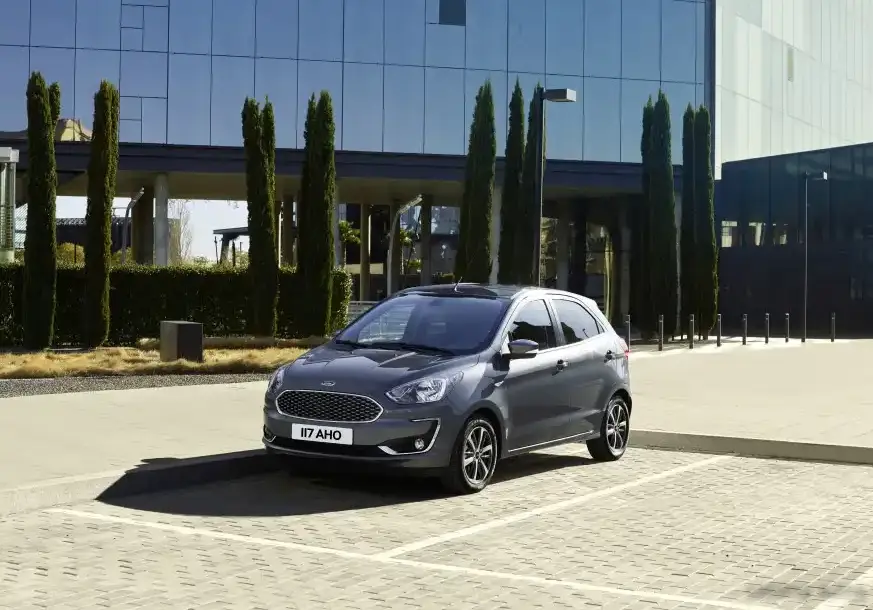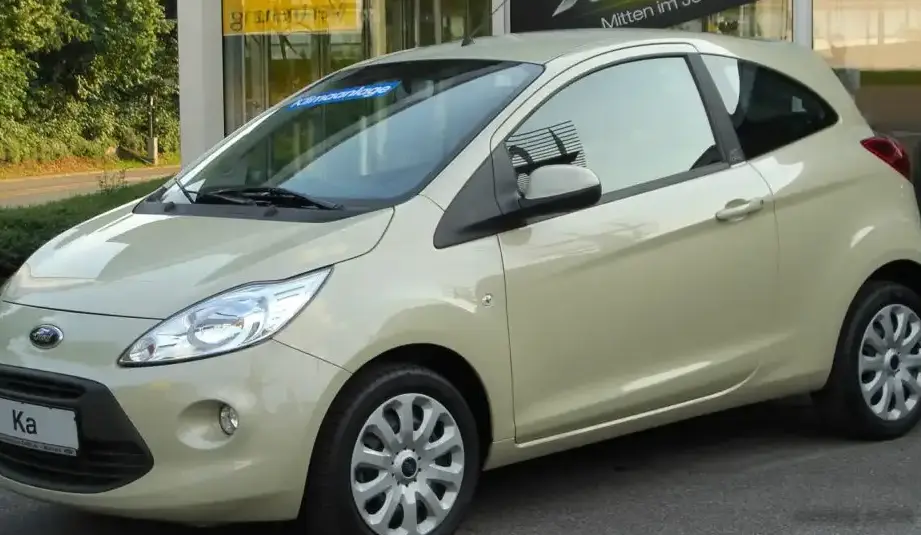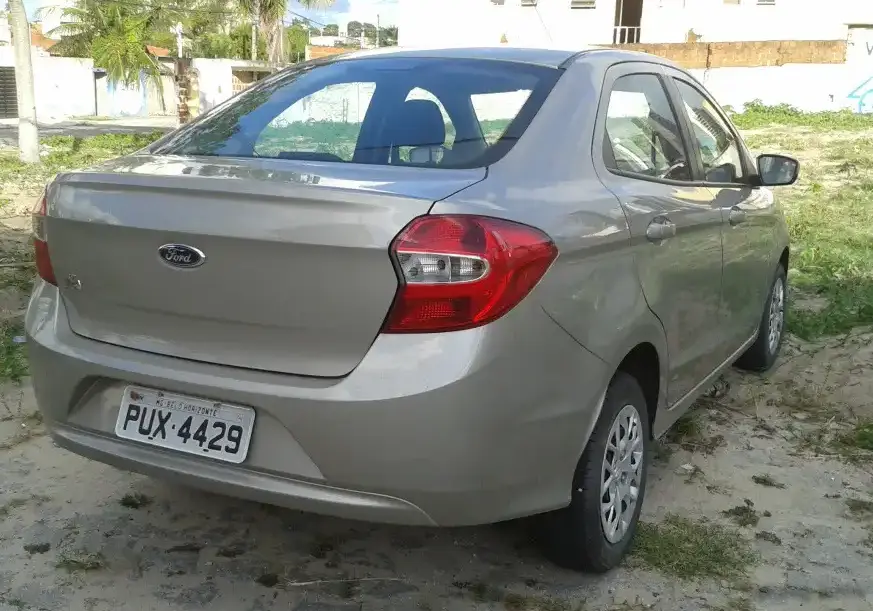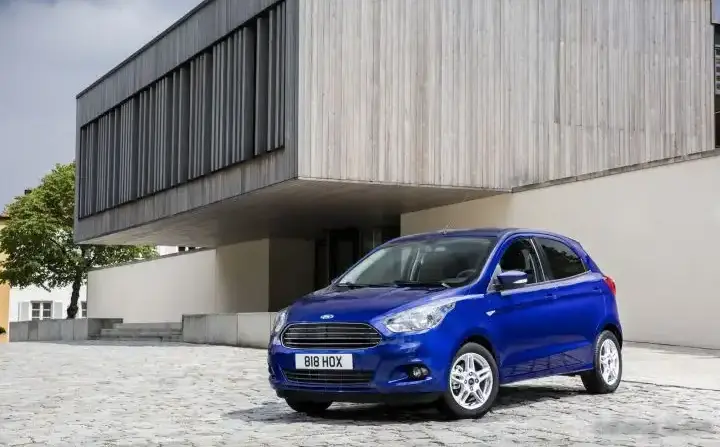
The Ford KA+ 1.2 Ti-VCT (85 hp) ECO, produced between 2016 and 2018, represented an entry-level offering within the broader KA+ range. Positioned as a budget-friendly hatchback, it was primarily aimed at the European market, offering a practical and affordable transportation solution. The KA+ itself was a significant departure from previous KA models, moving to a larger, more conventional hatchback format based on the Ford Fiesta’s B-platform. This particular 1.2-liter variant served as the base engine option, prioritizing fuel efficiency and affordability over outright performance. It was designed to appeal to first-time car buyers, city dwellers, and those seeking a low-cost vehicle for daily commuting.
Technical Specifications
| Brand | Ford |
| Model | KA |
| Generation | KA+ |
| Type (Engine) | 1.2 Ti-VCT (85 Hp) ECO |
| Start of production | 2016 |
| End of production | 2018 |
| Powertrain Architecture | Internal Combustion engine |
| Body type | Hatchback |
| Seats | 5 |
| Doors | 5 |
| Fuel consumption (urban) | 6.3 l/100 km (37.3 US mpg, 44.8 UK mpg, 15.9 km/l) |
| Fuel consumption (extra urban) | 3.9 l/100 km (60.3 US mpg, 72.4 UK mpg, 25.6 km/l) |
| Fuel consumption (combined) | 4.8 l/100 km (49 US mpg, 58.9 UK mpg, 20.8 km/l) |
| CO2 emissions | 110 g/km |
| Fuel Type | Petrol (Gasoline) |
| Acceleration 0 – 100 km/h | 13.9 sec |
| Acceleration 0 – 62 mph | 13.9 sec |
| Acceleration 0 – 60 mph | 13.2 sec |
| Maximum speed | 166 km/h (103.15 mph) |
| Emission standard | Euro 6 |
| Weight-to-power ratio | 11 kg/Hp, 91 Hp/tonne |
| Weight-to-torque ratio | 8.3 kg/Nm, 119.9 Nm/tonne |
| Power | 85 Hp @ 6300 rpm |
| Power per litre | 71.1 Hp/l |
| Torque | 112 Nm @ 4000 rpm (82.61 lb.-ft. @ 4000 rpm) |
| Engine layout | Front, Transverse |
| Engine Model/Code | YSKD, YSKE |
| Engine displacement | 1196 cm3 (72.98 cu. in.) |
| Number of cylinders | 4 |
| Engine configuration | Inline |
| Number of valves per cylinder | 4 |
| Fuel injection system | Multi-port manifold injection |
| Engine aspiration | Naturally aspirated engine |
| Engine oil capacity | 4.05 l (4.28 US qt | 3.56 UK qt) |
| Coolant capacity | 6.3 l (6.66 US qt | 5.54 UK qt) |
| Kerb Weight | 934 kg (2059.12 lbs.) |
| Trunk (boot) space – minimum | 270 l (9.53 cu. ft.) |
| Fuel tank capacity | 42 l (11.1 US gal | 9.24 UK gal) |
| Length | 3929 mm (154.69 in.) |
| Width | 1695 mm (66.73 in.) |
| Height | 1524 mm (60 in.) |
| Wheelbase | 2489 mm (97.99 in.) |
| Drivetrain Architecture | Front wheel drive |
| Number of gears and type of gearbox | 5 gears, manual transmission |
| Front suspension | Independent, type McPherson with coil spring and anti-roll bar |
| Rear suspension | Semi-independent, coil spring |
| Front brakes | Ventilated discs |
| Rear brakes | Drum |
| Assisting systems | ABS (Anti-lock braking system) |
| Steering type | Steering rack and pinion |
| Power steering | Electric Steering |
| Tires size | 195/55 R15 |
| Wheel rims size | 15 |
Powertrain & Engine Architecture
The heart of the KA+ 1.2 Ti-VCT ECO is the Duratec 1.2-liter inline-four cylinder engine, specifically the YSKD or YSKE engine code depending on the exact production date and market. This engine utilizes a naturally aspirated configuration with multi-point fuel injection. The Ti-VCT (Twin Independent Variable Camshaft Timing) technology is a key feature, allowing for optimized valve timing to improve both fuel efficiency and power delivery across the rev range. The engine produces 85 horsepower at 6300 rpm and 112 Nm (82.61 lb-ft) of torque at 4000 rpm. The five-speed manual transmission was standard, chosen for its simplicity and cost-effectiveness. The transmission’s gear ratios were tuned for economy, with a relatively long final drive contributing to the car’s fuel-saving characteristics.
Driving Characteristics
The 1.2-liter engine, paired with the five-speed manual transmission, provided adequate, though not exhilarating, performance. Acceleration from 0-60 mph took approximately 13.2 seconds, and top speed was around 103 mph. The engine felt somewhat strained when pushed hard, particularly when fully loaded or climbing hills. The gear ratios were spaced to prioritize fuel economy, meaning frequent downshifts were often necessary to maintain momentum. Compared to higher-spec KA+ models equipped with the 1.5-liter engine, the 1.2-liter felt noticeably less powerful. However, the lighter engine weight contributed to nimble handling in urban environments. The steering was light and responsive, making it easy to maneuver in tight spaces.
Equipment & Trim Levels
The KA+ 1.2 Ti-VCT ECO trim level was the entry point to the KA+ range. Standard equipment typically included power steering, ABS, a driver’s airbag, and basic audio system with USB connectivity. Interior appointments were functional rather than luxurious, with durable plastic trim and cloth upholstery. Optional extras included air conditioning, electric front windows, and central locking. The ECO designation indicated a focus on fuel efficiency, and often included minor aerodynamic enhancements and low rolling resistance tires. Higher trim levels, such as the Zetec, added features like alloy wheels, fog lights, and upgraded interior trim.
Chassis & Braking
The KA+ utilized a front-wheel-drive chassis with a McPherson strut suspension at the front and a semi-independent coil spring suspension at the rear. The suspension setup was tuned for comfort and ride quality, rather than sporty handling. The front brakes were ventilated discs, providing adequate stopping power, while the rear brakes were drums, a cost-saving measure common in this segment. The car’s relatively light weight (934 kg / 2059.12 lbs) helped to offset the limitations of the braking system. A stabilizer bar was included at the front to reduce body roll during cornering.
Market Reception & Comparison
The Ford KA+ 1.2 Ti-VCT ECO was generally well-received as a value-for-money city car. Critics praised its affordability, fuel efficiency, and ease of driving. However, the engine’s lack of power was a common criticism, particularly when compared to competitors offering more potent engines. In terms of fuel economy, the KA+ 1.2 Ti-VCT ECO delivered around 49 US mpg on the combined cycle, which was competitive for its class. Reliability was generally good, with the Duratec 1.2-liter engine proving to be a durable and dependable unit. Compared to the higher-spec 1.5-liter KA+, the 1.2-liter offered significantly lower running costs but at the expense of performance and refinement.
Legacy
The Ford KA+ 1.2 Ti-VCT ECO remains a relatively common sight on used car lots. The Duratec 1.2-liter engine has a reputation for being robust and relatively inexpensive to maintain. Common issues are typically limited to routine wear and tear items, such as brake pads, tires, and suspension components. The car’s simple construction and readily available parts contribute to its affordability and ease of repair. While not a performance icon, the KA+ 1.2 Ti-VCT ECO served as a practical and economical transportation solution for many drivers, and continues to offer a budget-friendly option in the used car market.