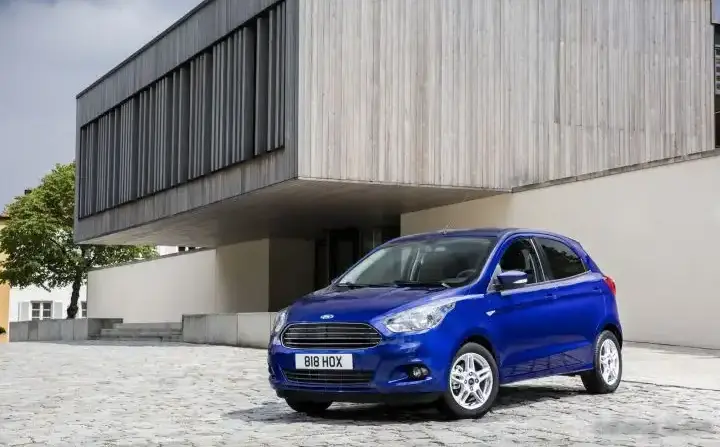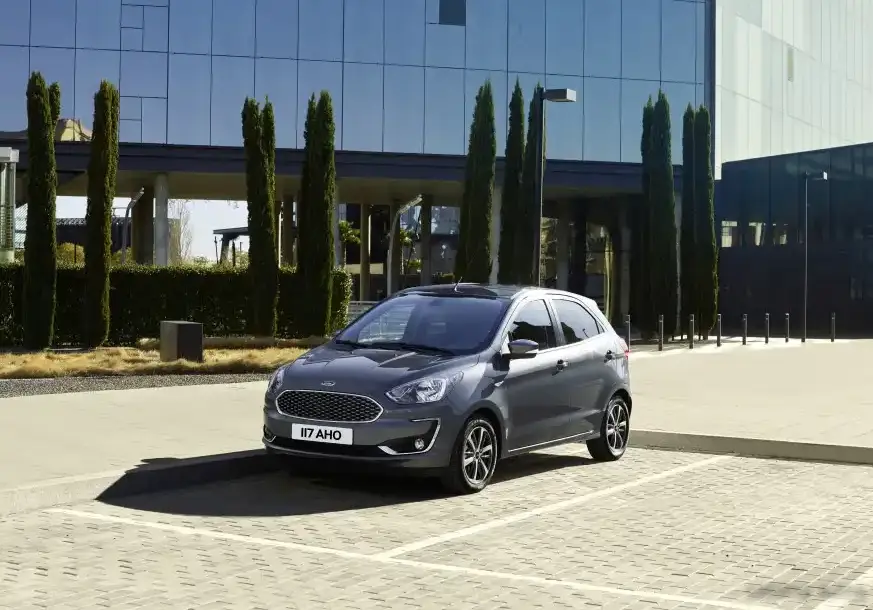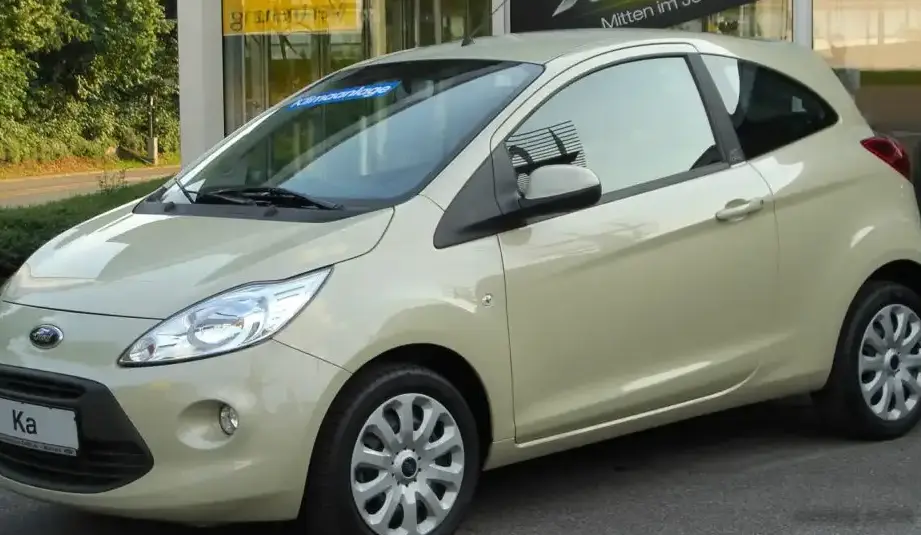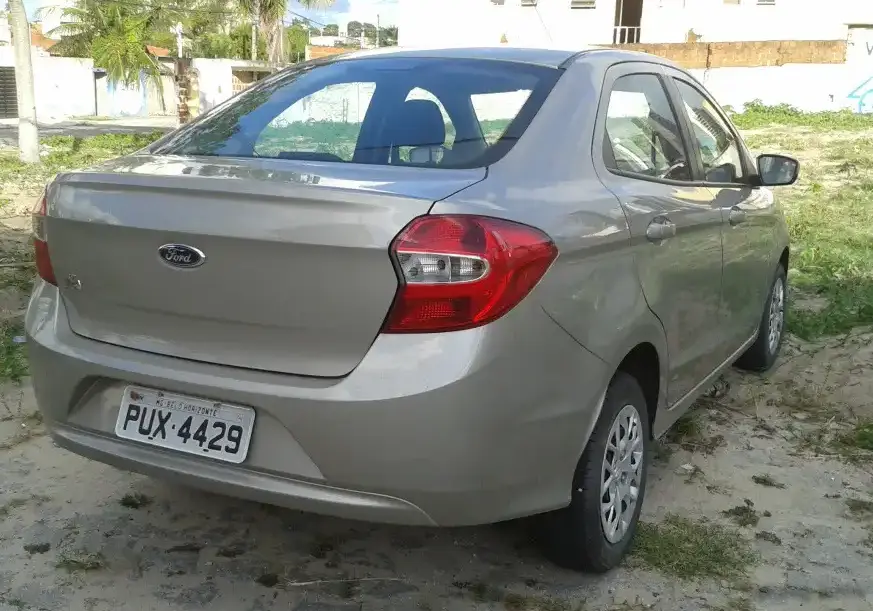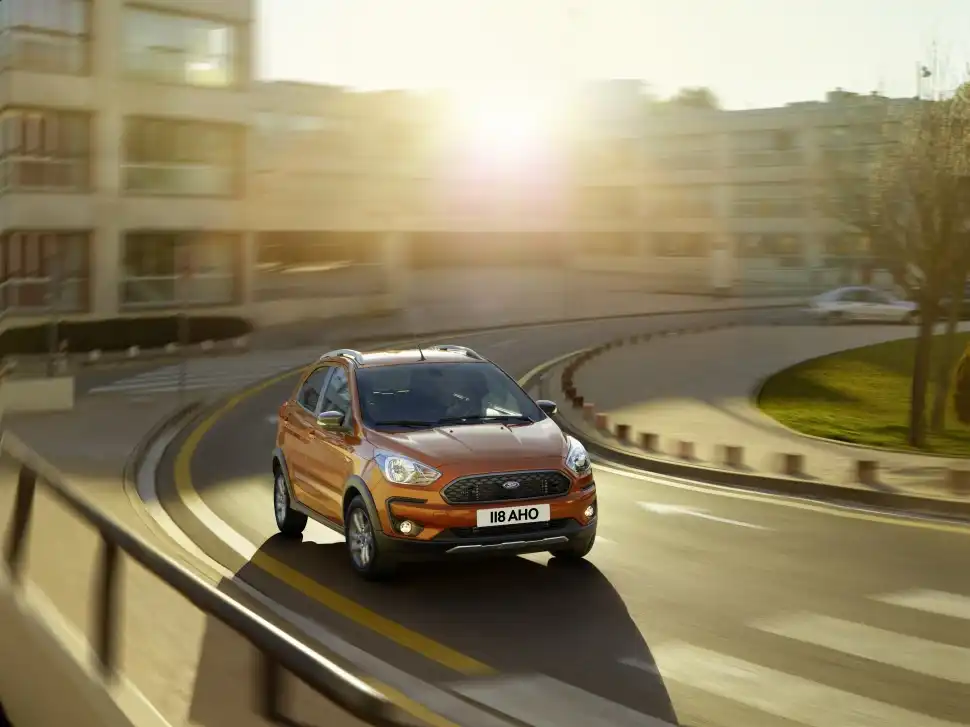
The Ford KA+ Active 1.5 TDCi (95 hp) was a subcompact hatchback and crossover produced by Ford between 2018 and 2021. Positioned as a more rugged and versatile variant of the KA+ range, the Active model aimed to appeal to buyers seeking a small, economical vehicle with a slightly more adventurous aesthetic. This particular engine and transmission combination – the 1.5-liter turbodiesel paired with a five-speed manual gearbox – represented a core offering within the KA+ Active lineup, balancing fuel efficiency with acceptable performance for everyday driving. It was primarily marketed in Europe, where demand for small diesel-powered vehicles remained strong during its production run.
Technical Specifications
| Brand | Ford |
| Model | KA |
| Generation | KA+ Active |
| Type (Engine) | 1.5 TDCi (95 Hp) |
| Start of production | 2018 |
| End of production | 2021 |
| Powertrain Architecture | Internal Combustion engine |
| Body type | Hatchback, Crossover |
| Seats | 5 |
| Doors | 5 |
| Fuel consumption (urban) | 4.3 l/100 km (54.7 US mpg, 65.7 UK mpg, 23.3 km/l) |
| Fuel consumption (extra urban) | 4 l/100 km (58.8 US mpg, 70.6 UK mpg, 25 km/l) |
| Fuel consumption (combined) | 4.1 l/100 km (57.4 US mpg, 68.9 UK mpg, 24.4 km/l) |
| CO2 emissions | 108 g/km |
| Fuel Type | Diesel |
| Acceleration 0 – 100 km/h | 11.4 sec |
| Acceleration 0 – 62 mph | 11.4 sec |
| Acceleration 0 – 60 mph | 10.8 sec |
| Maximum speed | 179 km/h (111.23 mph) |
| Emission standard | Euro 6 |
| Power | 95 Hp @ 3750 rpm |
| Power per litre | 63.4 Hp/l |
| Torque | 215 Nm @ 1750-2500 rpm (158.58 lb.-ft. @ 1750-2500 rpm) |
| Engine layout | Front, Transverse |
| Engine displacement | 1499 cm3 (91.47 cu. in.) |
| Number of cylinders | 4 |
| Engine configuration | Inline |
| Number of valves per cylinder | 4 |
| Fuel injection system | Diesel Commonrail |
| Engine aspiration | Turbocharger, Intercooler |
| Engine oil capacity | 3.85 l (4.07 US qt, 3.39 UK qt) |
| Coolant capacity | 6.2 l (6.55 US qt, 5.46 UK qt) |
| Trunk (boot) space (minimum) | 270 l (9.53 cu. ft.) |
| Length | 3955 mm (155.71 in.) |
| Width | 1743 mm (68.62 in.) |
| Height | 1551 mm (61.06 in.) |
| Wheelbase | 2489 mm (97.99 in.) |
| Drivetrain | Front wheel drive |
| Number of gears and type of gearbox | 5 gears, manual transmission |
| Front suspension | Independent, type McPherson with coil spring and anti-roll bar |
| Rear suspension | Semi-independent, coil spring |
| Front brakes | Ventilated discs |
| Rear brakes | Disc |
| Assisting systems | ABS (Anti-lock braking system) |
| Steering type | Steering rack and pinion |
| Power steering | Electric Steering |
| Tires size | 185/60 R15 |
| Wheel rims size | 15 |
Powertrain & Engine Architecture
The heart of the KA+ Active 1.5 TDCi is the Duratorq TDCi engine, specifically the 1.5-liter four-cylinder diesel. This engine, part of Ford’s Duratorq family, utilizes a common-rail direct fuel injection system, delivering fuel at high pressure directly into the combustion chamber for improved efficiency and reduced emissions. The engine is turbocharged and intercooled, enhancing power output and torque. The engine code for this variant is typically associated with variations within the Duratorq family, and specific codes may vary depending on the market. The five-speed manual transmission was the standard offering, providing a relatively conventional driving experience. The transmission’s gear ratios were tuned for fuel economy and everyday usability, rather than outright performance.
Driving Characteristics
The 95 hp output and 215 Nm (158.58 lb-ft) of torque provided adequate, though not exhilarating, performance. Acceleration from 0-60 mph took around 10.8 seconds, making it suitable for urban and suburban driving. The engine’s peak torque, available from 1750-2500 rpm, meant that it felt reasonably responsive in everyday driving situations, offering sufficient pulling power for overtaking and climbing hills. Compared to higher-powered petrol versions of the KA+, the diesel offered significantly better fuel economy, but at the expense of outright speed. The manual transmission allowed for greater driver control, but the gear ratios were spaced to prioritize efficiency over sporty driving.
Equipment & Trim Levels
The KA+ Active trim level added a number of features over the standard KA+. These typically included raised ride height, roof rails, and protective cladding around the wheel arches and sills, giving it a more crossover-like appearance. Inside, the Active trim often featured unique upholstery, sometimes with contrasting stitching or patterned fabrics. Standard equipment generally included air conditioning, power steering, electric front windows, and a basic audio system. Optional extras could include alloy wheels, a touchscreen infotainment system with Bluetooth connectivity, and parking sensors.
Chassis & Braking
The KA+ Active utilized a McPherson strut front suspension and a semi-independent coil spring rear suspension. This setup provided a reasonable balance between ride comfort and handling. The raised ride height of the Active model, compared to the standard KA+, offered slightly improved ground clearance for navigating rougher terrain. Braking duties were handled by ventilated discs at the front and solid discs at the rear. Anti-lock Braking System (ABS) was standard, enhancing safety during emergency braking situations. The steering was electrically assisted, providing light and easy steering feel.
Market Reception & Comparison
The Ford KA+ Active 1.5 TDCi was generally well-received by critics as a practical and economical small car. Its fuel efficiency was a major selling point, particularly in Europe where diesel fuel was often cheaper than petrol. However, some reviewers noted that the engine could be somewhat noisy and lacked the refinement of some competitors. Compared to petrol-powered KA+ models, the diesel offered superior fuel economy but less overall performance. Against rivals like the Volkswagen Up!, Hyundai i10, and Kia Picanto, the KA+ Active offered a more spacious interior and a more rugged appearance, but its driving dynamics were not always considered as polished.
Legacy
The Ford KA+ Active 1.5 TDCi represents a specific response to European market demands for fuel-efficient and versatile small cars. While the KA+ range was discontinued in 2021, the 1.5 TDCi engine has proven to be relatively reliable, provided it is properly maintained. On the used car market, these models are often sought after by buyers looking for an affordable and economical runabout. The Duratorq engine, while not known for being particularly high-performance, has a reputation for durability and longevity, making it a sensible choice for those prioritizing reliability and low running costs.