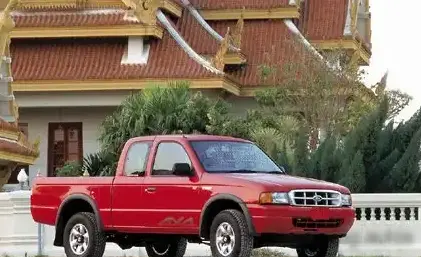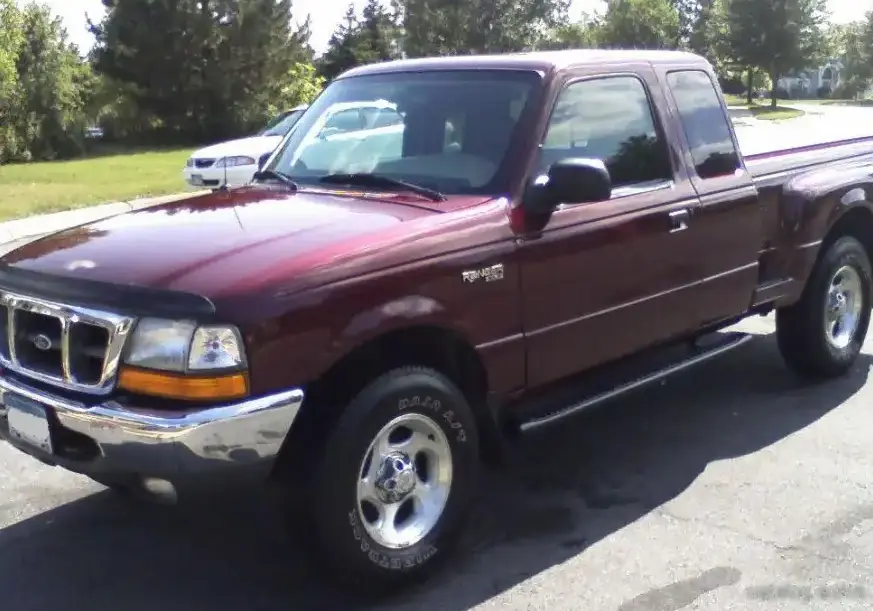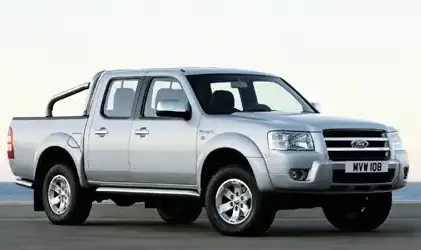
The Ford Ranger II Double Cab 4.0 V6 4×4 Automatic, produced between 2006 and 2010, represents a significant iteration of Ford’s popular mid-size pickup truck. This variant occupied a premium position within the Ranger II lineup, offering a blend of capability, space, and comfort not found in lower-trim models. It was primarily marketed towards North American buyers seeking a versatile vehicle suitable for both work and family use. The Double Cab configuration, combined with the potent 4.0-liter V6 engine and automatic transmission, aimed to provide a compelling alternative to full-size trucks for those who didn’t require the extra bulk.
Technical Specifications
| Brand | Ford |
| Model | Ranger |
| Generation | Ranger II Double Cab |
| Type | 4.0 V6 (207 Hp) 4×4 Automatic |
| Start of production | 2006 |
| End of production | 2010 |
| Powertrain Architecture | Internal Combustion engine |
| Body type | Pick-up |
| Seats | 5 |
| Doors | 4 |
| Fuel Type | Petrol (Gasoline) |
| Power | 207 Hp @ 5250 rpm |
| Power per litre | 51.6 Hp/l |
| Torque | 323 Nm @ 3000 rpm / 238.23 lb.-ft. @ 3000 rpm |
| Engine layout | Front, Longitudinal |
| Engine displacement | 4014 cm3 / 244.95 cu. in. |
| Number of cylinders | 6 |
| Engine configuration | V-engine |
| Compression ratio | 9.7:1 |
| Number of valves per cylinder | 2 |
| Fuel injection system | Multi-port manifold injection |
| Engine aspiration | Naturally aspirated engine |
| Valvetrain | OHC |
| Engine oil capacity | 4.7 l / 4.97 US qt | 4.14 UK qt |
| Coolant capacity | 12.5 l / 13.21 US qt | 11 UK qt |
| Fuel tank capacity | 64 l / 16.91 US gal | 14.08 UK gal |
| Length | 4800 mm / 188.98 in. |
| Width | 2057 mm / 80.98 in. |
| Height | 1676 mm / 65.98 in. |
| Drive wheel | All wheel drive (4×4) |
| Number of gears and type of gearbox | 5 gears, automatic transmission |
| Front suspension | Independent torsion bar, double wishbone |
| Rear suspension | Dependent suspension of two longitudinal semi-elliptic leaf springs |
| Front brakes | Ventilated discs |
| Rear brakes | Drum |
| Assisting systems | ABS (Anti-lock braking system) |
| Steering type | Steering rack and pinion |
| Tires size | 235/75 R15; 245/70 R16 |
| Wheel rims size | 15; 16 |
Powertrain & Engine Architecture
The heart of the Ranger II Double Cab 4.0 V6 4×4 Automatic is Ford’s 4.0-liter Cologne V6 engine. This engine, internally designated as the 4014, is a naturally aspirated, 90-degree V6 featuring a cast iron block and aluminum cylinder heads. It utilizes a multi-port fuel injection system, delivering fuel directly to each intake port for optimized combustion. The engine’s overhead camshaft (OHC) design, with two valves per cylinder, contributes to its relatively smooth operation. The 4.0L V6 produced 207 horsepower at 5250 rpm and 323 Nm (238 lb-ft) of torque at 3000 rpm. This power was routed through a five-speed automatic transmission, a crucial component for appealing to buyers prioritizing ease of use over outright performance. The transmission was designed to handle the engine’s torque output and provide smooth shifts in various driving conditions. The engine’s longitudinal mounting allowed for a traditional rear-wheel-drive layout with a transfer case enabling four-wheel drive functionality.
Driving Characteristics
The 4.0-liter V6 and five-speed automatic combination delivered a respectable, if not exhilarating, driving experience. While not as quick as some of its competitors with smaller, turbocharged engines, the Ranger II Double Cab offered ample power for everyday driving and towing. The automatic transmission, while smooth, wasn’t particularly sporty, prioritizing comfort and fuel efficiency over aggressive shifting. The gear ratios were tuned for practical use, providing sufficient torque for hauling loads and navigating varied terrain. Compared to the five-speed manual transmission available on other Ranger trims, the automatic offered a more relaxed driving experience, particularly in stop-and-go traffic. However, the manual transmission generally provided slightly better fuel economy and a more direct connection to the engine. The 4×4 system, engaged via a rotary dial, provided enhanced traction in off-road conditions and inclement weather.
Equipment & Trim Levels
The Double Cab configuration itself was a significant feature, offering seating for five passengers and a more spacious rear seat compared to the standard cab models. Standard equipment on the 4.0 V6 4×4 Automatic typically included air conditioning, power windows and locks, an AM/FM stereo with a CD player, and a basic level of interior trim. Higher trim levels, such as the XLT and Limited, added features like alloy wheels, upgraded audio systems, leather upholstery, and a sunroof. Optional extras included a towing package, a navigation system, and various appearance upgrades. The interior design was functional and durable, prioritizing practicality over luxury. The dashboard layout was straightforward, with easy-to-reach controls.
Chassis & Braking
The Ranger II Double Cab utilized a body-on-frame construction, providing a robust and durable platform. The front suspension featured an independent torsion bar setup with double wishbone components, offering a comfortable ride and decent handling. The rear suspension employed a traditional leaf spring design, chosen for its load-carrying capacity and durability. Braking duties were handled by ventilated discs at the front and drum brakes at the rear. Anti-lock braking system (ABS) was standard, enhancing safety during emergency stops. Steering was provided by a rack-and-pinion system, offering responsive and precise control. Tire sizes varied depending on the trim level, with 235/75 R15 and 245/70 R16 being common options.
Market Reception & Comparison
The Ford Ranger II Double Cab 4.0 V6 4×4 Automatic was generally well-received by critics and consumers alike. It was praised for its spacious interior, comfortable ride, and capable powertrain. However, some reviewers noted that the automatic transmission could feel sluggish at times, and the fuel economy wasn’t particularly impressive compared to newer, more fuel-efficient trucks. Compared to the smaller-engined Ranger trims (e.g., the 2.3L four-cylinder), the 4.0 V6 offered significantly more power and towing capacity, but at the expense of fuel economy. Against competitors like the Toyota Tacoma and Nissan Frontier, the Ranger II Double Cab offered a competitive package, often at a lower price point.
Legacy
The Ford Ranger II Double Cab 4.0 V6 4×4 Automatic has proven to be a relatively reliable vehicle, with many examples still on the road today. The 4.0-liter V6 engine is known for its durability, although regular maintenance is crucial to prevent issues such as oil leaks and timing chain wear. The automatic transmission, while generally reliable, can experience problems with solenoid failure or valve body issues. In the used car market, these Rangers are often sought after for their affordability, practicality, and capability. They represent a solid choice for buyers looking for a dependable mid-size pickup truck that can handle a variety of tasks. The Ranger II, and this variant specifically, helped solidify Ford’s reputation for building tough and capable trucks, paving the way for the redesigned Ranger that returned to the North American market in recent years.