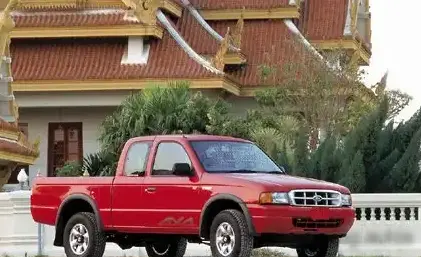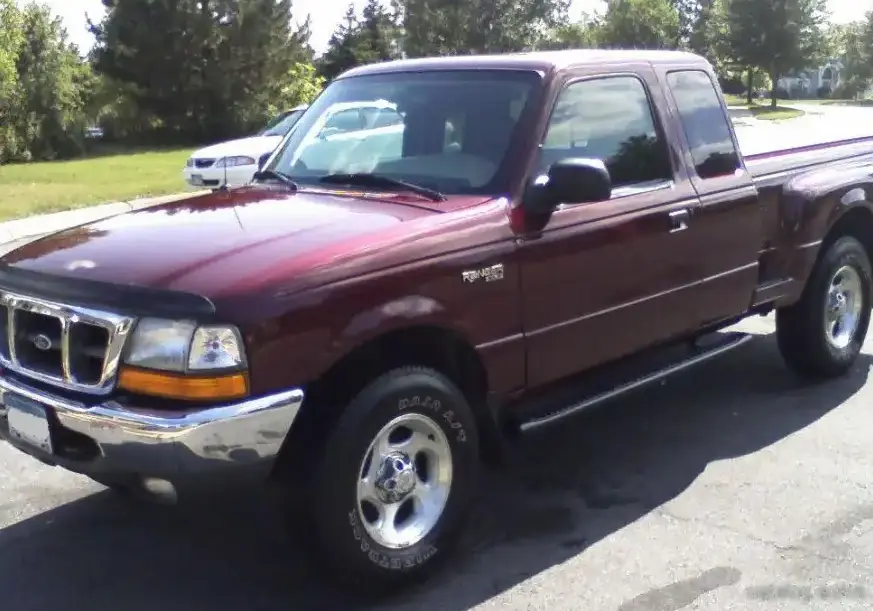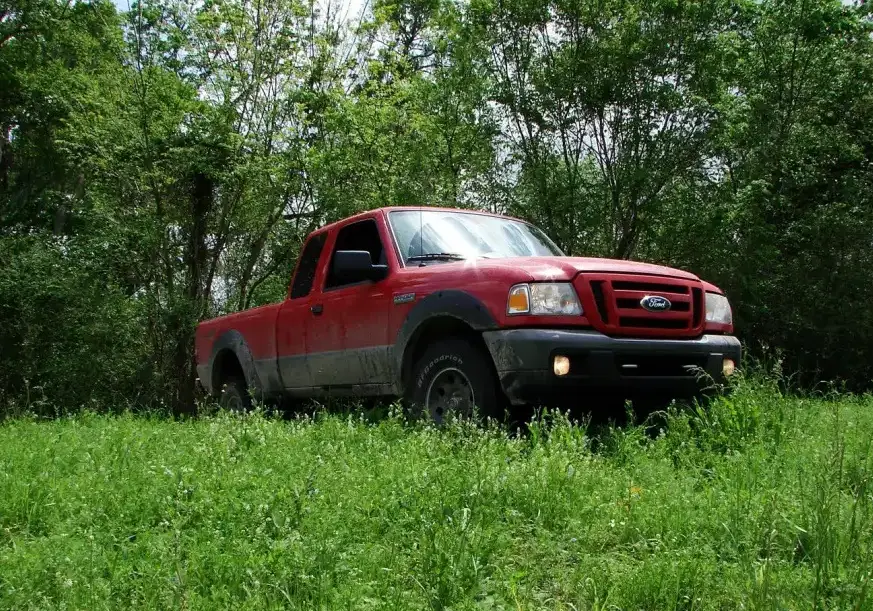
The Ford Ranger II Super Cab 4.0 V6, produced from 2006 to 2010, represented a significant iteration of Ford’s popular mid-size pickup truck. This variant occupied a middle ground within the Ranger II lineup, offering a balance between capability and affordability. It was primarily marketed towards buyers needing a versatile truck for both work and personal use, particularly in North America where the Super Cab configuration – offering extended rear seating – was highly valued. The Ranger II generation, built on the global Ford P2 platform, aimed to modernize the Ranger while retaining its reputation for ruggedness and dependability. This specific 4.0L V6 engine and 5-speed manual transmission combination was a popular choice for those seeking more power than the base four-cylinder models, but didn’t require the expense of the four-wheel drive options.
Technical Specifications
| Brand | Ford |
| Model | Ranger |
| Generation | Ranger II Super Cab |
| Type (Engine) | 4.0 V6 (207 Hp) |
| Start of production | 2006 |
| End of production | 2010 |
| Powertrain Architecture | Internal Combustion engine |
| Body type | Pick-up |
| Seats | 4 |
| Doors | 2 |
| Fuel Type | Petrol (Gasoline) |
| Power | 207 Hp @ 5250 rpm |
| Power per litre | 51.6 Hp/l |
| Torque | 323 Nm @ 3000 rpm / 238.23 lb.-ft. @ 3000 rpm |
| Engine layout | Front, Longitudinal |
| Engine displacement | 4014 cm3 / 244.95 cu. in. |
| Number of cylinders | 6 |
| Engine configuration | V-engine |
| Compression ratio | 9.7:1 |
| Number of valves per cylinder | 2 |
| Fuel injection system | Multi-port manifold injection |
| Engine aspiration | Naturally aspirated engine |
| Engine oil capacity | 4.7 l / 4.97 US qt | 4.14 UK qt |
| Coolant | 13 l / 13.74 US qt | 11.44 UK qt |
| Trunk (boot) space – minimum | 1500 l / 52.97 cu. ft. |
| Fuel tank capacity | 70 l / 18.49 US gal | 15.4 UK gal |
| Length | 5075 mm / 199.8 in. |
| Width | 1805 mm / 71.06 in. |
| Height | 1745 mm / 68.7 in. |
| Wheelbase | 3000 mm / 118.11 in. |
| Front track | 1488 mm / 58.58 in. |
| Rear (Back) track | 1455 mm / 57.28 in. |
| Ride height (ground clearance) | 203 mm / 7.99 in. |
| Drivetrain Architecture | The Internal combustion engine (ICE) drives the rear wheels of the vehicle. |
| Drive wheel | Rear wheel drive |
| Number of gears and type of gearbox | 5 gears, manual transmission |
| Front suspension | Independent torsion bar, double wishbone |
| Rear suspension | Dependent suspension of two longitudinal semi-elliptic leaf springs |
| Front brakes | Ventilated discs |
| Rear brakes | Drum |
| Assisting systems | ABS (Anti-lock braking system) |
| Steering type | Steering rack and pinion |
| Power steering | Hydraulic Steering |
| Tires size | 235/75 R15; 245/70 R16 |
| Wheel rims size | 15; 16 |
Powertrain & Engine Architecture
The heart of this Ranger variant is the 4.0L (244.95 cu. in.) Cologne V6 engine. This engine, designated as the 4014, is a 90-degree V6 featuring a cast iron block and aluminum cylinder heads. It utilizes a multi-port fuel injection system, delivering fuel directly into the intake ports for improved combustion efficiency. The engine’s valvetrain consists of two valves per cylinder, operated by a single overhead camshaft. The 207 horsepower output at 5250 rpm and 323 Nm (238.23 lb-ft) of torque at 3000 rpm provided a noticeable step up in performance compared to the base 2.3L four-cylinder engine. The engine’s longitudinal mounting allowed for a rear-wheel-drive configuration, which was standard for this trim. Paired with the engine was a robust 5-speed manual transmission, offering drivers full control over gear selection. This transmission was chosen for its durability and relatively simple design, contributing to the Ranger’s reputation for reliability.
Driving Characteristics
The 4.0L V6 with the 5-speed manual transmission delivered a noticeably more engaging driving experience than the automatic-equipped versions or the four-cylinder models. The manual gearbox allowed for precise control, particularly when towing or navigating challenging terrain. While not a performance truck, the V6 provided ample power for everyday driving and hauling moderate loads. The gear ratios were well-suited for both on-road cruising and off-road crawling. Acceleration was brisk, and the engine offered a broad torque curve, making it easy to maintain speed even when fully loaded. Compared to the automatic transmission, the manual version offered improved fuel economy and a more direct connection to the powertrain. The rear-wheel-drive configuration provided a traditional truck feel, with a focus on simplicity and durability.
Equipment & Trim Levels
The Super Cab configuration added extended rear seating, increasing the Ranger’s passenger capacity and versatility. Standard features on the 4.0L V6 model typically included air conditioning, an AM/FM stereo with a CD player, and basic cloth upholstery. Power windows and locks were often optional extras. The interior design was functional and utilitarian, prioritizing durability over luxury. Higher trim levels, such as the XLT, added features like alloy wheels, upgraded interior trim, and a premium sound system. Optional extras included a towing package, a sliding rear window, and a sunroof. The Super Cab’s rear seats were typically bench-style, offering limited legroom but providing a convenient space for occasional passengers.
Chassis & Braking
The Ranger II Super Cab utilized a body-on-frame construction, providing a robust and durable platform. The front suspension consisted of an independent torsion bar setup with double wishbone components, offering a comfortable ride and good handling characteristics. The rear suspension employed a traditional leaf spring design, providing a stable platform for hauling and towing. Braking duties were handled by ventilated discs at the front and drum brakes at the rear. An Anti-lock Braking System (ABS) was standard, enhancing safety and control during emergency braking situations. The steering system was a rack-and-pinion setup with hydraulic power assist, providing responsive and precise steering feel. The standard tire size was 235/75 R15 or 245/70 R16, depending on the trim level and wheel size.
Market Reception & Comparison
The Ford Ranger II Super Cab 4.0L V6 with a manual transmission was generally well-received by critics and consumers alike. It was praised for its combination of power, versatility, and affordability. Compared to the base four-cylinder models, the V6 offered a significant performance upgrade, making it a more capable work truck and a more enjoyable daily driver. Compared to the automatic transmission, the manual version offered improved fuel economy and a more engaging driving experience. However, some critics noted that the interior was somewhat basic and lacked the refinement of some competitors. Fuel economy was reasonable for a truck of its size and capability, but not class-leading. Reliability was generally good, with the 4.0L V6 engine proving to be a durable and dependable powerplant.
Legacy
The Ford Ranger II Super Cab 4.0L V6 remains a popular choice in the used car market today. Its reputation for reliability and affordability has made it a sought-after vehicle for those seeking a capable and dependable pickup truck. The 4.0L V6 engine is known for its longevity, and with proper maintenance, it can provide many years of reliable service. While parts availability is generally good, some components may be becoming increasingly difficult to find. The Ranger II generation marked a significant step forward for Ford’s mid-size pickup truck, and the 4.0L V6 variant remains a testament to its enduring appeal.