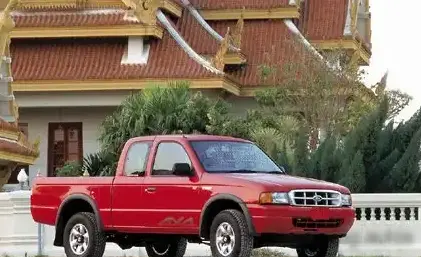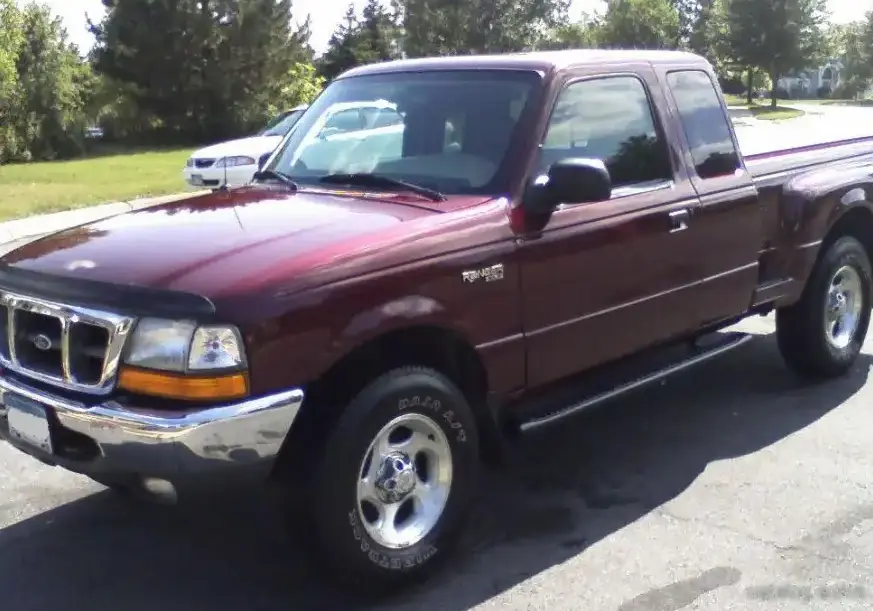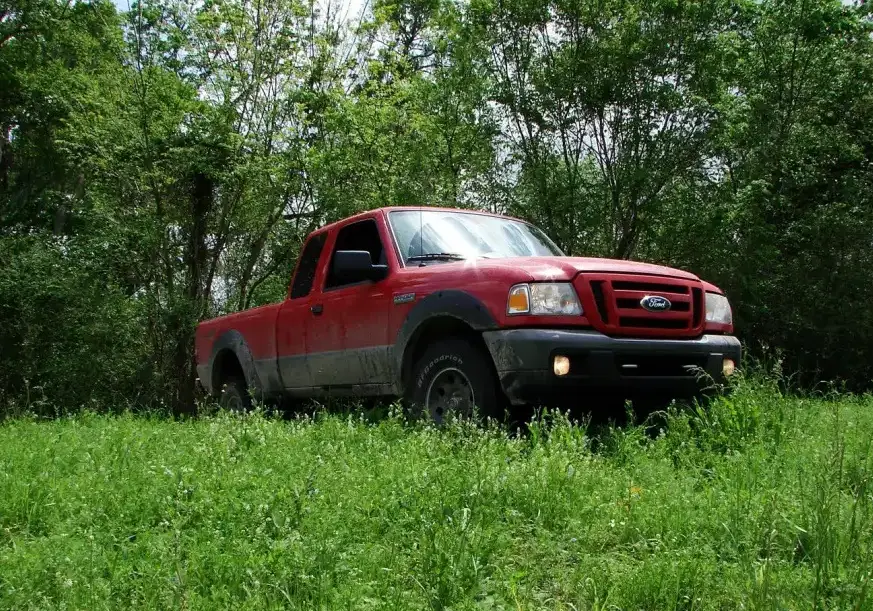
The Ford Ranger II Super Cab 4.0 V6 4×4 Automatic, produced between 2006 and 2010, represented a significant offering in the mid-size pickup truck segment for the North American market. This variant occupied a middle-ground position within the Ranger II lineup, providing a balance between capability, comfort, and affordability. It was built on the global Ford Ranger platform (often referred to as the “global Ranger” despite being distinct from the later North American Ranger revival), and served as a workhorse for both commercial and personal use. The Super Cab configuration offered extended passenger space compared to the standard cab, making it a more versatile option for families or crews.
Technical Specifications
| Brand | Ford |
| Model | Ranger |
| Generation | Ranger II Super Cab |
| Type (Engine) | 4.0 V6 (207 Hp) 4×4 Automatic |
| Start of production | 2006 |
| End of production | 2010 |
| Powertrain Architecture | Internal Combustion engine |
| Body type | Pick-up |
| Seats | 4 |
| Doors | 2 |
| Fuel Type | Petrol (Gasoline) |
| Power | 207 Hp @ 5250 rpm |
| Power per litre | 51.6 Hp/l |
| Torque | 323 Nm @ 3000 rpm / 238.23 lb.-ft. @ 3000 rpm |
| Engine layout | Front, Longitudinal |
| Engine displacement | 4014 cm3 / 244.95 cu. in. |
| Number of cylinders | 6 |
| Engine configuration | V-engine |
| Compression ratio | 9.7:1 |
| Number of valves per cylinder | 2 |
| Fuel injection system | Multi-port manifold injection |
| Engine aspiration | Naturally aspirated engine |
| Engine oil capacity | 4.7 l / 4.97 US qt | 4.14 UK qt |
| Coolant | 12.5 l / 13.21 US qt | 11 UK qt |
| Trunk (boot) space – minimum | 1500 l / 52.97 cu. ft. |
| Fuel tank capacity | 70 l / 18.49 US gal | 15.4 UK gal |
| Length | 5075 mm / 199.8 in. |
| Width | 1805 mm / 71.06 in. |
| Height | 1745 mm / 68.7 in. |
| Wheelbase | 3000 mm / 118.11 in. |
| Front track | 1488 mm / 58.58 in. |
| Rear (Back) track | 1455 mm / 57.28 in. |
| Ride height (ground clearance) | 203 mm / 7.99 in. |
| Drive wheel | All wheel drive (4×4) |
| Number of gears and type of gearbox | 5 gears, automatic transmission |
| Front suspension | Independent torsion bar, double wishbone |
| Rear suspension | Dependent suspension of two longitudinal semi-elliptic leaf springs |
| Front brakes | Ventilated discs |
| Rear brakes | Drum |
| Assisting systems | ABS (Anti-lock braking system) |
| Steering type | Steering rack and pinion |
| Power steering | Hydraulic Steering |
| Tires size | 235/75 R15; 245/70 R16 |
| Wheel rims size | 15; 16 |
Powertrain & Engine Architecture
The heart of the Ranger II Super Cab 4.0 V6 4×4 Automatic is the 4.0-liter Cologne V6 engine. This engine, designated as the 4014 cm3, is a naturally aspirated, 90-degree V6 featuring a cast iron block and aluminum cylinder heads. It utilizes a multi-port fuel injection system, delivering fuel directly into the intake ports. The engine produces 207 horsepower at 5250 rpm and 323 Nm (238.23 lb-ft) of torque at 3000 rpm. The 4.0L V6 was known for its relatively simple design and robust construction. The automatic transmission paired with this engine is a 5-speed unit, providing smooth shifts and adequate gear ratios for both on-road driving and moderate off-road conditions. While not a performance-oriented transmission, it was well-suited to the engine’s torque curve and the truck’s intended use.
Driving Characteristics
The 4.0L V6 with the 5-speed automatic delivers a comfortable and capable driving experience. Acceleration is adequate for everyday driving, but it’s not particularly quick. The automatic transmission prioritizes smooth operation over aggressive shifting. Compared to the available 2.3L inline-four engine, the V6 offers significantly more power and torque, making it better suited for towing and hauling. Compared to a manual transmission equipped Ranger, the automatic sacrifices some responsiveness and fuel efficiency, but gains in ease of use, especially in stop-and-go traffic. The 4×4 system provides enhanced traction in slippery conditions, making it a capable off-road vehicle for light to moderate trails.
Equipment & Trim Levels
The Ranger II Super Cab 4.0 V6 4×4 Automatic typically came standard with features such as air conditioning, power windows and locks, and an AM/FM stereo. The Super Cab configuration offered a split bench seat in the rear, providing seating for up to four passengers. Optional extras included a premium sound system, cruise control, alloy wheels, and a towing package. Trim levels varied depending on the year and region, but generally included base models and more upscale XLT and Limited trims. The XLT trim added features like upgraded interior materials and exterior trim, while the Limited trim offered the most luxurious appointments.
Chassis & Braking
The Ranger II Super Cab features a body-on-frame construction, providing a robust and durable platform. The front suspension utilizes an independent torsion bar setup with double wishbone components, offering a comfortable ride and good handling. The rear suspension employs a traditional leaf spring design, which is well-suited for carrying heavy loads. Braking duties are handled by ventilated discs in the front and drum brakes in the rear. An Anti-lock Braking System (ABS) was standard, enhancing safety and control during emergency braking situations. The hydraulic power steering provides responsive and precise steering feel.
Market Reception & Comparison
The Ford Ranger II Super Cab 4.0 V6 4×4 Automatic was generally well-received by critics and consumers alike. It was praised for its comfortable ride, spacious interior (for a mid-size pickup), and capable powertrain. Compared to other mid-size pickups of the time, such as the Toyota Tacoma and Nissan Frontier, the Ranger offered a more affordable price point and a more comfortable ride. However, some critics noted that the interior materials were not as refined as those found in some of its competitors. Fuel economy was average for a vehicle of its size and type, typically ranging from 14-16 mpg city and 18-20 mpg highway.
Legacy
The Ford Ranger II Super Cab 4.0 V6 4×4 Automatic has proven to be a reliable and durable vehicle. The 4.0L V6 engine is known for its longevity, and with proper maintenance, can easily exceed 200,000 miles. The automatic transmission is also generally reliable, although some units may experience issues with the torque converter over time. Today, these Rangers are popular choices in the used car market, particularly among those looking for a capable and affordable pickup truck. They are often sought after for their simplicity, durability, and ease of maintenance. Parts availability remains good, making them relatively easy to keep on the road. While not a collector’s item, well-maintained examples are holding their value and continue to provide years of reliable service.