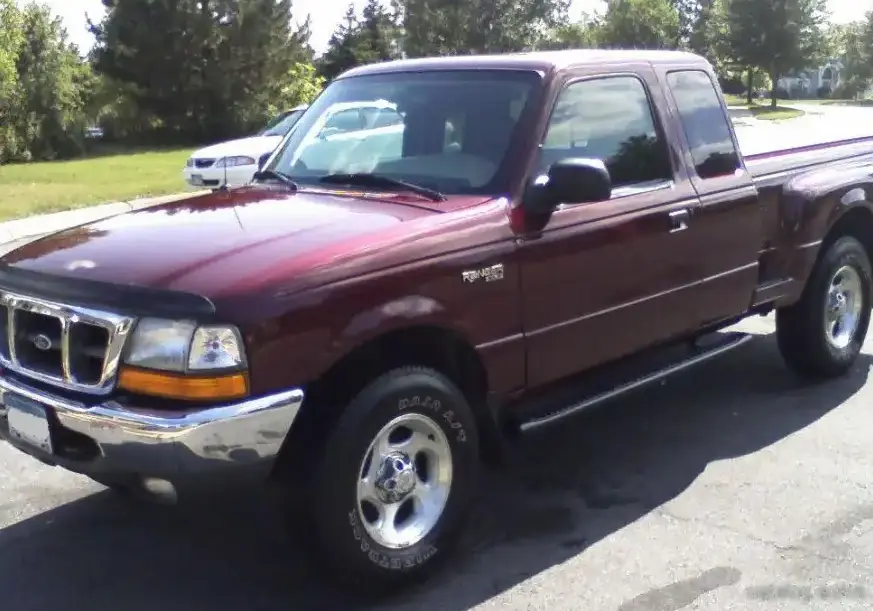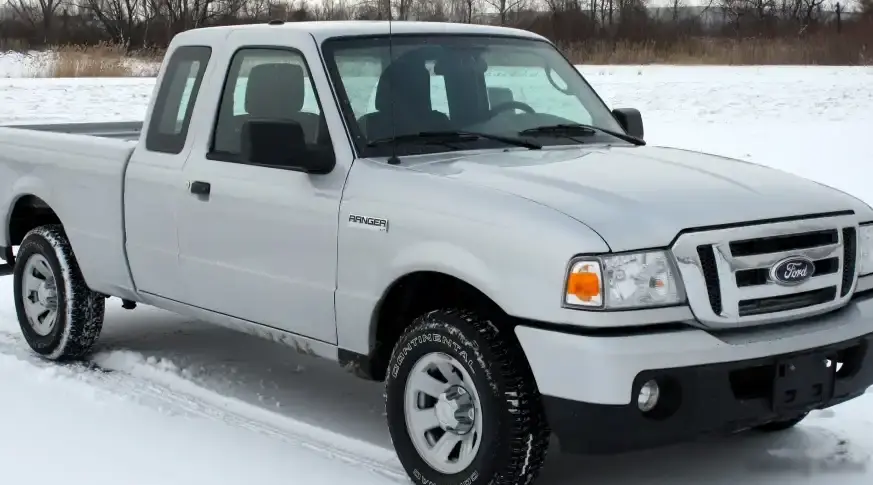
The Ford Ranger II Super Cab, specifically the facelifted version produced from 2009 to 2011, represented a significant update to Ford’s globally popular mid-size pickup truck. This iteration of the Ranger, sold primarily in Europe, South Africa, Australia, and South America, offered a blend of practicality, durability, and increasingly, refinement. The 2.5 TDCi variant, producing 143 horsepower, occupied a middle ground in the Ranger II lineup, appealing to buyers seeking a balance between work capability and reasonable running costs. It was positioned as a step up from the lower-powered diesel options, while remaining more accessible than the higher-output versions.
Technical Specifications
| Brand | Ford |
| Model | Ranger |
| Generation | Ranger II Super Cab (facelift 2009) |
| Type (Engine) | 2.5 TDCi (143 Hp) |
| Start of production | 2009 |
| End of production | 2011 |
| Powertrain Architecture | Internal Combustion engine |
| Body type | Pick-up |
| Seats | 4 |
| Doors | 2 |
| Fuel Type | Diesel |
| Maximum speed | 170 km/h (105.63 mph) |
| Weight-to-power ratio | 12.9 kg/Hp, 77.5 Hp/tonne |
| Weight-to-torque ratio | 5.6 kg/Nm, 178.9 Nm/tonne |
| Power | 143 Hp @ 3500 rpm |
| Power per litre | 57.2 Hp/l |
| Torque | 330 Nm @ 1800 rpm (243.4 lb.-ft. @ 1800 rpm) |
| Engine layout | Front, Longitudinal |
| Engine Model/Code | WLAA |
| Engine displacement | 2499 cm3 (152.5 cu. in.) |
| Number of cylinders | 4 |
| Engine configuration | Inline |
| Cylinder Bore | 93 mm (3.66 in.) |
| Piston Stroke | 92 mm (3.62 in.) |
| Compression ratio | 17.5:1 |
| Number of valves per cylinder | 4 |
| Fuel injection system | Diesel Commonrail |
| Engine aspiration | Turbocharger, Intercooler |
| Engine oil capacity | 7 l (7.4 US qt | 6.16 UK qt) |
| Coolant | 9.4 l (9.93 US qt | 8.27 UK qt) |
| Kerb Weight | 1845 kg (4067.53 lbs.) |
| Max. weight | 2985 kg (6580.8 lbs.) |
| Max load | 1140 kg (2513.27 lbs.) |
| Fuel tank capacity | 70 l (18.49 US gal | 15.4 UK gal) |
| Length | 5080 mm (200 in.) |
| Width | 1788 mm (70.39 in.) |
| Height | 1762 mm (69.37 in.) |
| Wheelbase | 3000 mm (118.11 in.) |
| Front track | 1488 mm (58.58 in.) |
| Rear (Back) track | 1455 mm (57.28 in.) |
| Ride height (ground clearance) | 230 mm (9.06 in.) |
| Drivetrain Architecture | Rear wheel drive |
| Drive wheel | Rear wheel drive |
| Number of gears and type of gearbox | 5 gears, manual transmission |
| Front suspension | Independent torsion bar, double wishbone |
| Rear suspension | Dependent suspension of two longitudinal semi-elliptic leaf springs |
| Front brakes | Ventilated discs |
| Rear brakes | Drum |
| Assisting systems | ABS (Anti-lock braking system) |
| Steering type | Steering rack and pinion |
| Tires size | 235/75 R15; 245/70 R16 |
| Wheel rims size | 15; 16 |
Powertrain & Engine Architecture
The heart of the 2.5 TDCi variant was the WLAA engine, a four-cylinder diesel utilizing a common rail direct injection system. This engine was a product of Ford’s collaboration with PSA Peugeot Citroën, and was also found in various Peugeot and Citroën models. The 2499cc displacement was achieved with a bore of 93mm and a stroke of 92mm. The high compression ratio of 17.5:1, typical for diesel engines, contributed to its efficiency. A turbocharger with an intercooler was employed to boost power output and improve throttle response. The engine’s valvetrain featured four valves per cylinder, enhancing breathing and contributing to the engine’s overall performance. The 2.5 TDCi was paired with a five-speed manual transmission, delivering power to the rear wheels. While an automatic transmission was offered on some Ranger II models, it was less common with the 2.5 TDCi engine.
Driving Characteristics
The 143 horsepower and 330 Nm (243 lb-ft) of torque provided by the 2.5 TDCi engine offered a reasonable level of performance for everyday use and light-duty work. Acceleration was adequate, though not particularly brisk. The engine’s torque curve was relatively flat, providing good pulling power from low engine speeds, which was beneficial for hauling loads or navigating challenging terrain. Compared to the higher-output 3.0-liter TDCi versions, the 2.5 TDCi felt less powerful, especially when fully loaded. However, it offered better fuel economy and a more relaxed driving experience. The five-speed manual transmission was well-matched to the engine’s characteristics, providing smooth gear changes and allowing the driver to keep the engine in its optimal power band. The gear ratios were geared towards maximizing fuel efficiency and providing sufficient torque for towing and hauling.
Equipment & Trim Levels
The 2.5 TDCi Super Cab typically came equipped with features such as air conditioning, power steering, and an AM/FM radio. Higher trim levels, such as the Limited, added features like alloy wheels, upgraded interior trim, and a more comprehensive audio system. The Super Cab configuration offered a small rear seating area, suitable for occasional passengers. Options included a limited-slip differential, a tow package, and various accessories to enhance the truck’s functionality. Interior upholstery was typically vinyl or cloth, with a focus on durability rather than luxury. The dashboard layout was functional and straightforward, prioritizing ease of use.
Chassis & Braking
The Ranger II Super Cab utilized a robust chassis designed to withstand the rigors of pickup truck use. The front suspension featured independent torsion bars and double wishbones, providing a comfortable ride and good handling. The rear suspension employed a traditional leaf spring setup, offering a high load-carrying capacity. Braking duties were handled by ventilated discs at the front and drum brakes at the rear. Anti-lock Braking System (ABS) was standard, enhancing safety during emergency braking situations. The truck’s ground clearance of 230mm (9.06 inches) allowed it to navigate rough terrain with ease.
Market Reception & Comparison
The 2.5 TDCi Ranger II Super Cab was generally well-received by critics and buyers alike. It was praised for its fuel efficiency, durability, and practicality. However, some reviewers noted that the engine lacked the refinement and power of some of its competitors. Compared to the higher-output 3.0-liter TDCi versions, the 2.5 TDCi offered a more affordable entry point into the Ranger II lineup. It also provided better fuel economy, making it a popular choice for buyers who prioritized running costs. Against competitors like the Toyota Hilux and Nissan Navara, the Ranger II offered a competitive package, with a strong emphasis on value for money.
Legacy
The Ford Ranger II Super Cab 2.5 TDCi has proven to be a reliable and durable workhorse. The WLAA engine, while not without its quirks, is generally considered to be a robust unit. Common issues include turbocharger wear and potential problems with the fuel injection system, but these are typically manageable with regular maintenance. In the used car market, these Rangers are often sought after for their affordability and practicality. They remain a popular choice for those seeking a capable and reliable pickup truck without breaking the bank. The 2.5 TDCi variant, in particular, is valued for its fuel efficiency and relatively simple mechanical design, making it easier and less expensive to maintain than some of the more complex alternatives.