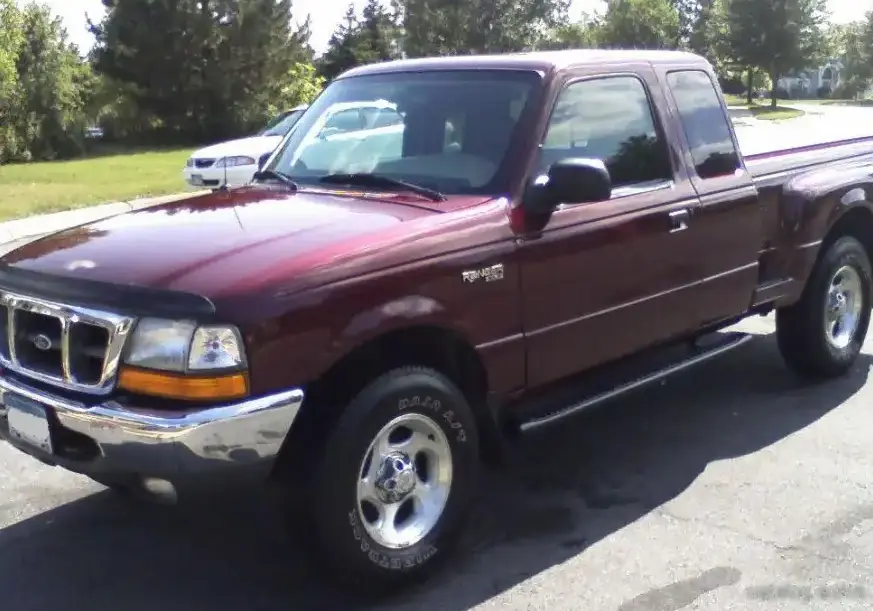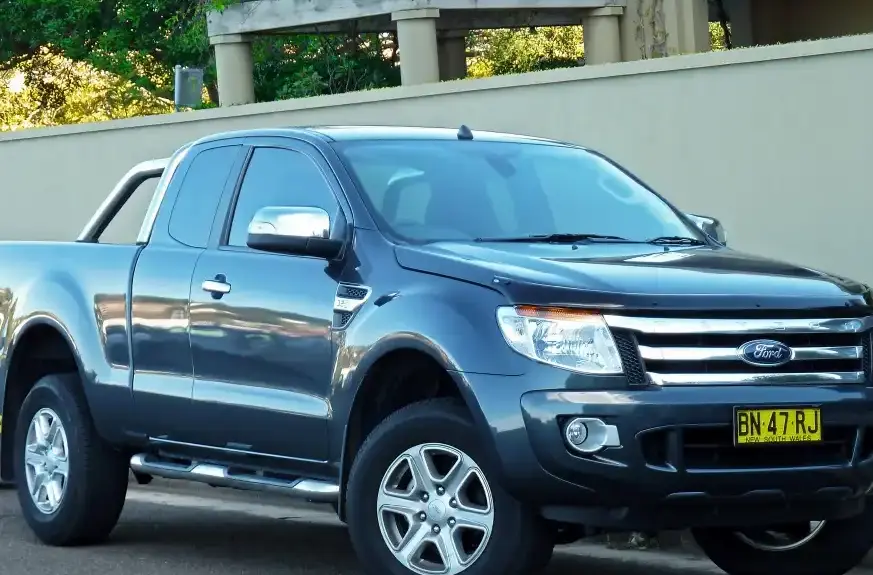
The Ford Ranger III Super Cab 2.5 (166 Hp) 4×4 was a mid-size pickup truck produced by Ford between 2011 and 2015. Representing the third generation of the globally sold Ranger, this variant was primarily aimed at markets outside of North America, where the Ranger had been discontinued in 2012. The Super Cab configuration offered extended passenger space compared to the standard cab, making it a versatile option for both work and family use. This particular model, equipped with the 2.5-liter gasoline engine and a five-speed manual transmission, occupied a middle ground in the Ranger III lineup, offering a balance between affordability, capability, and fuel efficiency.
Technical Specifications
| Brand | Ford |
| Model | Ranger |
| Generation | Ranger III Super Cab |
| Type (Engine) | 2.5 (166 Hp) 4×4 |
| Start of production | 2011 |
| End of production | 2015 |
| Powertrain Architecture | Internal Combustion engine |
| Body type | Pick-up |
| Seats | 5 |
| Doors | 2 |
| Fuel consumption (urban) | 14.1 l/100 km (16.7 US mpg, 20 UK mpg, 7.1 km/l) |
| Fuel consumption (extra urban) | 8.9 l/100 km (26.4 US mpg, 31.7 UK mpg, 11.2 km/l) |
| Fuel consumption (combined) | 10.8 l/100 km (21.8 US mpg, 26.2 UK mpg, 9.3 km/l) |
| CO2 emissions | 235 g/km |
| Fuel Type | Petrol (Gasoline) |
| Acceleration 0 – 100 km/h | 11.5 sec |
| Acceleration 0 – 62 mph | 11.5 sec |
| Acceleration 0 – 60 mph | 10.9 sec |
| Maximum speed | 175 km/h (108.74 mph) |
| Emission standard | Euro 4 |
| Weight-to-power ratio | 12.3 kg/Hp, 81.1 Hp/tonne |
| Weight-to-torque ratio | 9.1 kg/Nm, 110.4 Nm/tonne |
| Power | 166 Hp @ 6000 rpm |
| Power per litre | 66.7 Hp/l |
| Torque | 226 Nm @ 4500 rpm (166.69 lb.-ft. @ 4500 rpm) |
| Engine layout | Front, Longitudinal |
| Engine displacement | 2488 cm3 (151.83 cu. in.) |
| Number of cylinders | 4 |
| Engine configuration | Inline |
| Cylinder Bore | 89 mm (3.5 in.) |
| Piston Stroke | 100 mm (3.94 in.) |
| Compression ratio | 10:1 |
| Number of valves per cylinder | 4 |
| Fuel injection system | Multi-port manifold injection |
| Engine aspiration | Naturally aspirated engine |
| Engine oil capacity | 6.7 l (7.08 US qt | 5.9 UK qt) |
| Coolant | 11 l (11.62 US qt | 9.68 UK qt) |
| Kerb Weight | 2048 kg (4515.07 lbs.) |
| Max. weight | 3200 kg (7054.79 lbs.) |
| Max load | 1152 kg (2539.73 lbs.) |
| Trunk (boot) space – minimum | 1450 l (51.21 cu. ft.) |
| Fuel tank capacity | 80 l (21.13 US gal | 17.6 UK gal) |
| Length | 5359 mm (210.98 in.) |
| Width | 1850 mm (72.83 in.) |
| Height | 1804 mm (71.02 in.) |
| Wheelbase | 3220 mm (126.77 in.) |
| Front track | 1560 mm (61.42 in.) |
| Rear (Back) track | 1560 mm (61.42 in.) |
| Ride height (ground clearance) | 229 mm (9.02 in.) |
| Drive wheel | All wheel drive (4×4) |
| Number of gears and type of gearbox | 5 gears, manual transmission |
| Front suspension | Independent coil spring |
| Rear suspension | Dependent suspension of two longitudinal semi-elliptic leaf springs |
| Front brakes | Ventilated discs |
| Rear brakes | Drum |
| Assisting systems | ABS (Anti-lock braking system) |
| Steering type | Steering rack and pinion |
| Power steering | Hydraulic Steering |
| Tires size | 255/70 R16 |
| Wheel rims size | 16 |
Powertrain & Engine Architecture
The heart of the Ranger III Super Cab 2.5 4×4 is the 2.5-liter inline-four cylinder gasoline engine. This engine, internally designated as a variant of the Ford Duratec series, featured a cast iron block and an aluminum cylinder head. It employed multi-port fuel injection to deliver fuel to the cylinders, and a single overhead camshaft (SOHC) design operated four valves per cylinder. The engine produced 166 horsepower at 6000 rpm and 226 Nm (166.69 lb-ft) of torque at 4500 rpm. The five-speed manual transmission was the standard offering for this variant, providing a relatively direct connection between the engine and the wheels. The transmission was chosen for its durability and cost-effectiveness, rather than outright performance.
Driving Characteristics
The 2.5-liter engine, paired with the five-speed manual transmission, provided adequate, but not exhilarating, performance. Acceleration from 0 to 60 mph took approximately 10.9 seconds, and the top speed was around 108.74 mph. The engine felt somewhat strained when pushed hard, particularly when fully loaded or climbing hills. The manual transmission offered precise shifts, but the gear ratios were spaced to prioritize fuel economy over rapid acceleration. Compared to the available diesel engines in the Ranger III lineup, this gasoline variant lacked the low-end torque and overall responsiveness that many drivers preferred for towing and off-road driving. However, it offered a smoother and quieter driving experience than the diesel options.
Equipment & Trim Levels
The Ranger III Super Cab 2.5 4×4 typically came with a fairly basic level of equipment. Standard features included air conditioning, power steering, and an AM/FM radio. The Super Cab configuration offered increased rear passenger space compared to the standard cab, with small jump seats in the rear. Interior upholstery was typically vinyl or a durable cloth material. Optional extras included power windows, power door locks, and a more advanced audio system. The trim level varied depending on the specific market, but generally, this 2.5-liter 4×4 model represented a mid-range offering, positioned above the base models but below the higher-spec diesel variants.
Chassis & Braking
The Ranger III Super Cab 2.5 4×4 utilized a body-on-frame construction, providing a robust and durable platform for both on-road and off-road use. The front suspension consisted of independent coil springs, while the rear suspension employed a traditional leaf spring setup. This configuration provided a comfortable ride on paved roads, while also offering sufficient articulation for off-road driving. The braking system featured ventilated discs on the front wheels and drum brakes on the rear. Anti-lock Braking System (ABS) was standard, enhancing safety and control during emergency braking situations.
Market Reception & Comparison
The Ranger III Super Cab 2.5 4×4 was generally well-received as a practical and affordable pickup truck. Critics praised its durability, versatility, and relatively low running costs. However, the gasoline engine was often criticized for its lack of power and fuel efficiency compared to the available diesel engines. In terms of fuel economy, the 2.5-liter engine averaged around 21.8 US mpg in combined driving, which was significantly lower than the diesel options. The gasoline variant was often favored by buyers who prioritized a lower purchase price and a smoother driving experience over outright performance and fuel economy.
Legacy
The Ford Ranger III Super Cab 2.5 4×4 has proven to be a relatively reliable and durable vehicle. The 2.5-liter engine, while not particularly powerful, is known for its longevity and relatively simple maintenance requirements. In the used car market, these Rangers are often sought after as affordable and capable work trucks. However, potential buyers should be aware of potential issues with rust, particularly in areas with harsh winters. Overall, the Ranger III Super Cab 2.5 4×4 remains a popular choice for those seeking a practical and dependable mid-size pickup truck.