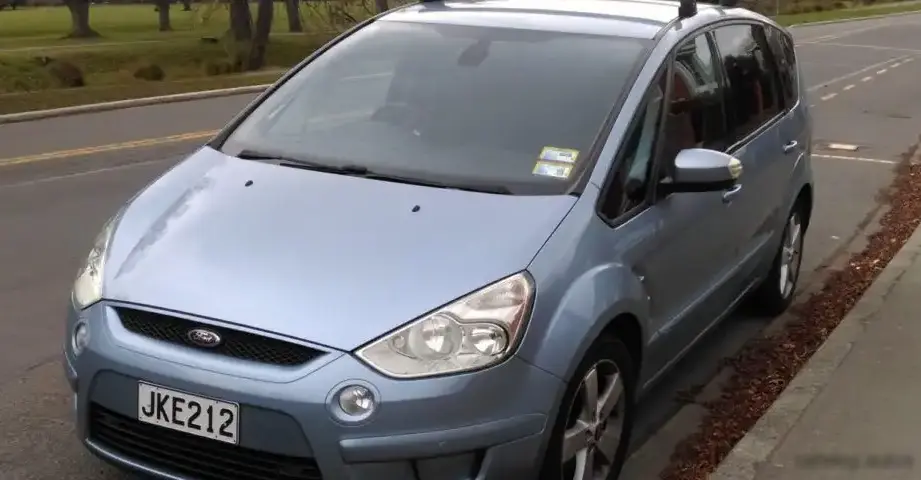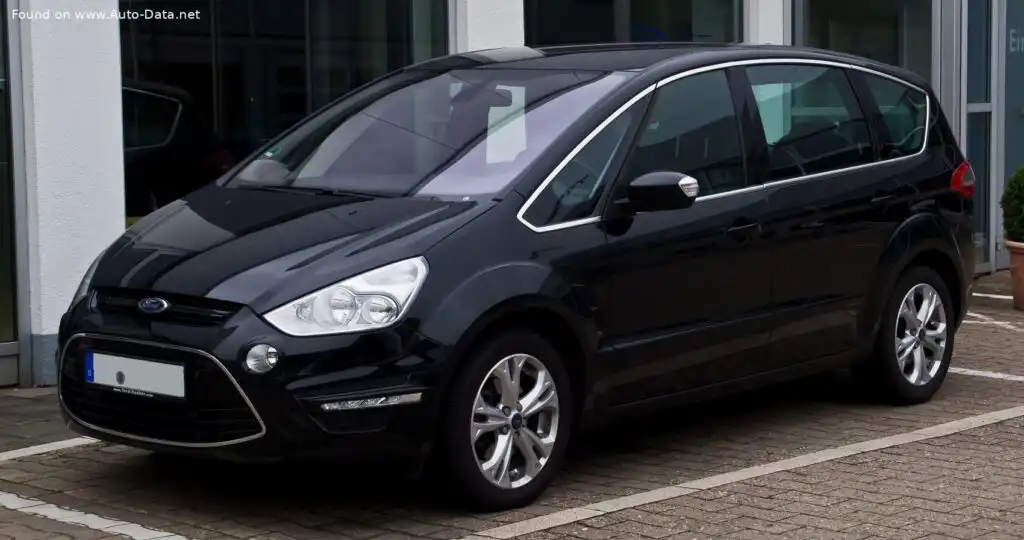
The Ford S-MAX 1.6 EcoBoost SCTi, produced from 2010 to 2014, represents a key variant within the refreshed first generation of Ford’s multi-purpose vehicle (MPV). Introduced as part of the 2010 facelift, this model aimed to broaden the S-MAX’s appeal by offering a more fuel-efficient and accessible engine option alongside the existing, more powerful powertrains. Positioned as a mid-range offering, it slotted between the base 1.6 Ti-VCT and the higher-performance 2.0 EcoBoost models. The S-MAX, originally launched in 2006, was Ford of Europe’s answer to increasingly popular MPVs like the Renault Espace and Volkswagen Sharan, emphasizing a more dynamic driving experience than many of its competitors.
Technical Specifications
| Brand | Ford |
| Model | S-MAX |
| Generation | S-MAX (facelift 2010) |
| Type (Engine) | 1.6 EcoBoost SCTi (160 Hp) |
| Start of production | 2010 |
| End of production | 2014 |
| Powertrain Architecture | Internal Combustion engine |
| Body type | MPV |
| Seats | 7 |
| Doors | 5 |
| Fuel consumption (urban) | 9.4 l/100 km (25 US mpg, 30.1 UK mpg, 10.6 km/l) |
| Fuel consumption (extra urban) | 5.7 l/100 km (41.3 US mpg, 49.6 UK mpg, 17.5 km/l) |
| Fuel consumption (combined) | 7 l/100 km (33.6 US mpg, 40.4 UK mpg, 14.3 km/l) |
| Fuel Type | Petrol (Gasoline) |
| Acceleration 0 – 100 km/h | 9.8 sec |
| Acceleration 0 – 62 mph | 9.8 sec |
| Acceleration 0 – 60 mph | 9.3 sec |
| Maximum speed | 204 km/h (126.76 mph) |
| Emission standard | Euro 5 |
| Weight-to-power ratio | 10 kg/Hp, 100.1 Hp/tonne |
| Power | 160 Hp |
| Engine layout | Front, Transverse |
| Engine Model/Code | JTWA, JTWB |
| Engine configuration | Inline |
| Fuel injection system | Direct injection |
| Engine aspiration | Turbocharger, Intercooler |
| Engine oil capacity | 4.1 l (4.33 US qt, 3.61 UK qt) |
| Coolant capacity | 6.5 l (6.87 US qt, 5.72 UK qt) |
| Kerb Weight | 1598 kg (3522.99 lbs) |
| Max. weight | 2400 kg (5291.09 lbs) |
| Max load | 802 kg (1768.11 lbs) |
| Trunk (boot) space – minimum | 285 l (10.06 cu. ft.) |
| Trunk (boot) space – maximum | 2000 l (70.63 cu. ft.) |
| Fuel tank capacity | 70 l (18.49 US gal, 15.4 UK gal) |
| Length | 4903 mm (193.03 in) |
| Width | 2154 mm (84.8 in) |
| Height | 1660 mm (65.35 in) |
| Minimum turning circle | 11.9 m (39.04 ft) |
| Drivetrain Architecture | Front wheel drive |
| Number of gears | 6 gears, manual transmission |
| Assisting systems | ABS (Anti-lock braking system) |
Powertrain & Engine Architecture
The heart of the S-MAX 1.6 EcoBoost SCTi is the JTWA or JTWB engine code, a 1.6-liter inline-four cylinder gasoline engine. This engine is a member of Ford’s EcoBoost family, characterized by its combination of direct fuel injection, turbocharging, and variable valve timing. The direct injection system, operating at pressures up to 200 bar, ensures precise fuel delivery for improved efficiency and reduced emissions. The engine utilizes a single-scroll turbocharger with an intercooler to boost power output. The valvetrain features dual independent variable camshaft timing (Ti-VCT), allowing for optimized valve control across the engine’s operating range. This 1.6L engine was paired exclusively with a 6-speed manual transmission in the S-MAX lineup, offering a balance between fuel economy and driver engagement.
Driving Characteristics
The 160 horsepower and 173 lb-ft of torque produced by the 1.6 EcoBoost engine provided adequate, though not exhilarating, performance for the S-MAX. Acceleration from 0-60 mph took approximately 9.3 seconds, making it slower than the 2.0 EcoBoost variants. However, the engine’s turbocharging provided a noticeable boost in power during overtaking maneuvers. The 6-speed manual transmission was well-matched to the engine’s characteristics, offering smooth gear changes and a reasonable spread of ratios. Compared to the more powerful 2.0 EcoBoost, the 1.6 felt less strained when fully loaded with passengers and luggage, but lacked the same level of outright performance. The gear ratios were tuned for a balance of fuel efficiency and usability, prioritizing mid-range torque over peak horsepower. The engine delivered a usable powerband, making it suitable for everyday driving situations, but it didn’t offer the same sporty feel as the larger displacement options.
Equipment & Trim Levels
The S-MAX 1.6 EcoBoost SCTi was typically offered in mid-level trim configurations. Standard equipment generally included air conditioning, a CD/radio system with auxiliary input, power windows and mirrors, and alloy wheels. Safety features such as ABS, electronic stability control, and multiple airbags were also standard. Optional extras included a panoramic sunroof, leather upholstery, parking sensors, and a premium sound system. Interior upholstery was typically cloth, with higher trims offering partial leather options. The dashboard layout was consistent across the S-MAX range, featuring a functional and ergonomic design. Features like Ford’s Quickclear heated windscreen were often available, enhancing visibility in colder climates. The S-MAX aimed to provide a comfortable and well-equipped interior, focusing on practicality for family use.
Chassis & Braking
The S-MAX utilized a front-wheel-drive platform with independent suspension at the front (MacPherson struts) and a multi-link suspension at the rear. The suspension setup was tuned to provide a comfortable ride while maintaining reasonable handling characteristics. Braking systems consisted of ventilated front discs and either disc or drum brakes at the rear, depending on the specific trim level. The 1.6 EcoBoost models generally featured smaller brake rotors compared to the higher-performance variants. A stabilizer bar was fitted to both the front and rear axles to reduce body roll during cornering. The steering was hydraulically assisted, providing a reasonably weighted feel. The chassis was designed to balance comfort and handling, making the S-MAX a pleasant vehicle to drive on a variety of road surfaces.
Market Reception & Comparison
The S-MAX 1.6 EcoBoost SCTi was generally well-received by automotive critics as a practical and fuel-efficient MPV. It offered a compelling alternative to larger, more expensive MPVs, particularly for families who didn’t require the ultimate in performance. Fuel economy figures of around 33.6 US mpg combined were competitive for its class. Compared to the 2.0 EcoBoost, the 1.6 offered lower running costs but sacrificed some performance. The 1.6 was also considered more reliable than some of the earlier diesel variants, which had experienced issues with diesel particulate filters. Critics noted that while the 1.6 EcoBoost wasn’t the fastest S-MAX, it provided a good balance of performance and economy, making it a sensible choice for many buyers. It competed directly with vehicles like the Volkswagen Touran and Renault Scenic.
Legacy
The 1.6 EcoBoost engine proved to be a relatively reliable unit, although some owners have reported issues with the timing chain and carbon buildup on the intake valves. Regular maintenance, including oil changes and fuel system cleaning, is crucial for ensuring long-term reliability. In the used car market, the S-MAX 1.6 EcoBoost SCTi represents a good value proposition for buyers seeking a spacious, practical, and reasonably efficient MPV. Its combination of affordability, practicality, and decent performance has ensured its continued popularity among families and those requiring a versatile vehicle. While not as sought-after as the higher-performance models, the 1.6 EcoBoost S-MAX remains a viable option for those prioritizing fuel economy and everyday usability.