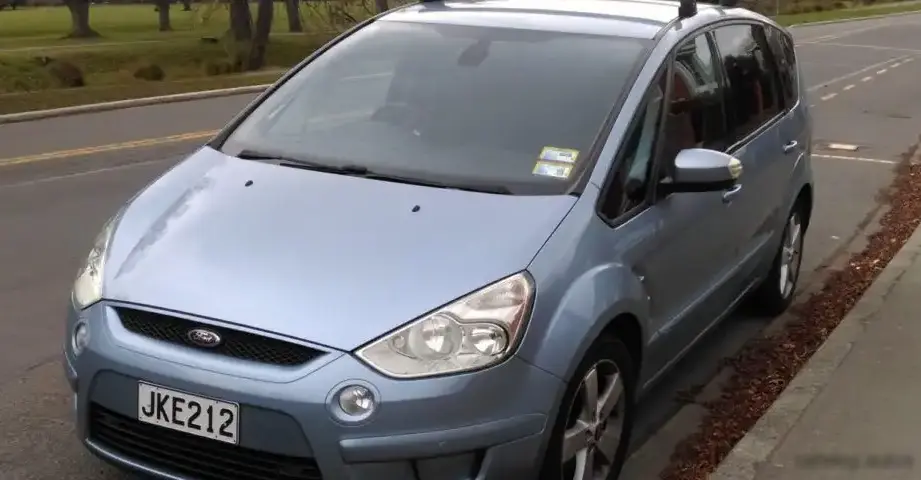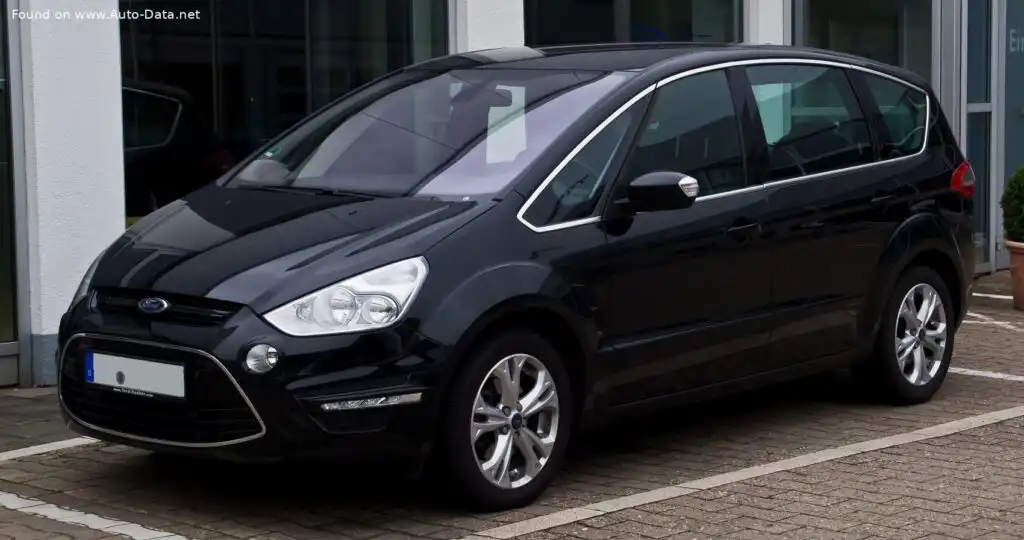
The Ford S-MAX, particularly the facelifted version introduced in 2010, represented Ford’s entry into the increasingly popular multi-purpose vehicle (MPV) segment. Positioned as a sporty alternative to more traditionally styled people carriers, the S-MAX aimed to appeal to active families. The 2.0 EcoBoost variant, producing 203 horsepower, was a key engine option within the range, offered from 2010 through 2014. It sat in the mid-to-upper portion of the S-MAX lineup, offering a balance of performance and fuel efficiency, appealing to buyers who wanted more than the base engine but didn’t require the higher running costs of a larger displacement option.
Technical Specifications
| Brand | Ford |
| Model | S-MAX |
| Generation | S-MAX (facelift 2010) |
| Type (Engine) | 2.0 EcoBoost (203 Hp) |
| Start of production | 2010 |
| End of production | 2014 |
| Powertrain Architecture | Internal Combustion engine |
| Body type | MPV |
| Seats | 7 |
| Doors | 5 |
| Fuel consumption (urban) | 11.2 l/100 km (21 US mpg, 25.2 UK mpg, 8.9 km/l) |
| Fuel consumption (extra urban) | 6.4 l/100 km (36.8 US mpg, 44.1 UK mpg, 15.6 km/l) |
| Fuel consumption (combined) | 8.1 l/100 km (29 US mpg, 34.9 UK mpg, 12.3 km/l) |
| Fuel Type | Petrol (Gasoline) |
| Acceleration 0 – 100 km/h | 8.2 sec |
| Acceleration 0 – 62 mph | 8.2 sec |
| Acceleration 0 – 60 mph | 7.8 sec |
| Maximum speed | 225 km/h (139.81 mph) |
| Emission standard | Euro 5 |
| Power | 203 Hp |
| Engine layout | Front, Transverse |
| Engine Model/Code | TNWA |
| Engine configuration | Inline |
| Fuel injection system | Direct injection |
| Engine aspiration | Turbocharger, Intercooler |
| Engine oil capacity | 5.4 l (5.71 US qt, 4.75 UK qt) |
| Coolant capacity | 6.9 l (7.29 US qt, 6.07 UK qt) |
| Trunk (boot) space – minimum | 285 l (10.06 cu. ft.) |
| Trunk (boot) space – maximum | 2000 l (70.63 cu. ft.) |
| Fuel tank capacity | 70 l (18.49 US gal, 15.4 UK gal) |
| Length | 4903 mm (193.03 in.) |
| Width | 2154 mm (84.8 in.) |
| Height | 1660 mm (65.35 in.) |
| Minimum turning circle | 11.9 m (39.04 ft.) |
| Drivetrain Architecture | Front wheel drive |
| Number of gears | 6 |
| Gearbox type | Manual transmission |
| Assisting systems | ABS (Anti-lock braking system) |
| Steering type | Steering rack and pinion |
Powertrain & Engine Architecture
The heart of this S-MAX variant is the 2.0-liter EcoBoost engine, designated with the code TNWA. This engine is a turbocharged, direct-injection inline-four cylinder. Direct injection allows for more precise fuel delivery, improving both power and efficiency. The turbocharger, coupled with an intercooler, forces more air into the engine, boosting horsepower and torque. The EcoBoost engine utilizes a variable valve timing system to optimize performance across the rev range. The 203 hp output was achieved through careful tuning of the engine management system and the turbocharger boost pressure. The engine is transversely mounted in the front of the vehicle. The six-speed manual transmission was the standard offering for this engine, providing drivers with full control over gear selection. The transmission’s gear ratios were tuned to balance acceleration with fuel economy, offering a reasonably quick sprint to 60 mph in around 7.8 seconds.
Driving Characteristics
The 2.0 EcoBoost S-MAX offered a noticeably more engaging driving experience than the lower-powered engine options. The turbocharger provides a surge of power in the mid-range, making overtaking maneuvers easier and more confident. While not as brutally fast as the larger displacement engines available in the S-MAX range, the 203 hp version provided ample power for everyday driving and even for carrying a full load of passengers and luggage. The six-speed manual transmission allowed for precise gear changes, and the relatively short throw contributed to a sporty feel. Compared to the automatic transmission options available on other S-MAX models, the manual offered better control and a more direct connection to the engine. The S-MAX’s suspension, tuned for comfort and handling, provided a good balance between ride quality and body control.
Equipment & Trim Levels
The 2.0 EcoBoost S-MAX typically came equipped with a generous level of standard features. These included air conditioning, power windows and mirrors, a CD/radio system with auxiliary input, and alloy wheels. Higher trim levels added features such as leather upholstery, a sunroof, parking sensors, and a more advanced infotainment system. The S-MAX was also available with a range of optional extras, including a navigation system, heated seats, and a rear entertainment system. Interior upholstery was typically cloth on the base models, with leather options available on higher trims. The dashboard layout was functional and well-designed, with clear instrumentation and intuitive controls.
Chassis & Braking
The S-MAX utilized a MacPherson strut front suspension and a multi-link rear suspension. This setup provided a good balance of ride comfort and handling precision. The front brakes were typically ventilated discs, while the rear brakes were often solid discs, although some base models may have featured drum brakes. Anti-lock Braking System (ABS) was standard, enhancing safety by preventing wheel lockup during hard braking. The steering was a rack and pinion system, providing precise and responsive steering feel. Stabilizer bars were fitted to both the front and rear axles to reduce body roll during cornering.
Market Reception & Comparison
The 2.0 EcoBoost S-MAX was generally well-received by automotive critics. It was praised for its blend of performance, fuel efficiency, and practicality. Compared to the base 1.6-liter engine, the 2.0 EcoBoost offered a significant performance upgrade without a substantial increase in fuel consumption. Compared to the larger 2.3-liter EcoBoost, it offered a more affordable price point and slightly better fuel economy. Some critics noted that the engine could feel a little strained when fully loaded, but overall, the 2.0 EcoBoost was considered a strong contender in the MPV segment. Fuel economy figures of around 29 US mpg combined were competitive for its class.
Legacy
The 2.0 EcoBoost engine proved to be a reliable and durable unit when properly maintained. The S-MAX, in general, has developed a reputation for being a well-built and practical vehicle. On the used car market, the 2.0 EcoBoost variants tend to hold their value reasonably well, reflecting their desirable combination of performance and efficiency. Common maintenance items include regular oil changes, timing belt replacement (depending on mileage), and inspection of the turbocharger system. Overall, the 2010-2014 Ford S-MAX 2.0 EcoBoost remains a compelling option for families seeking a spacious, versatile, and enjoyable-to-drive MPV.