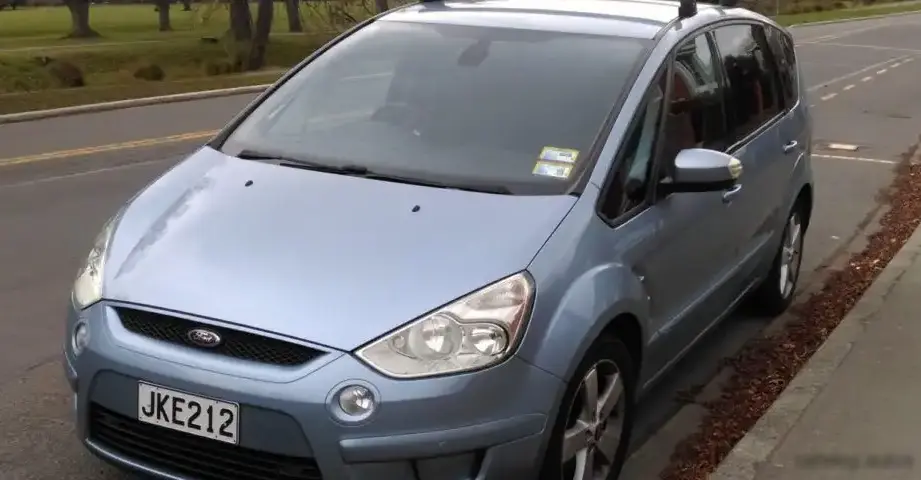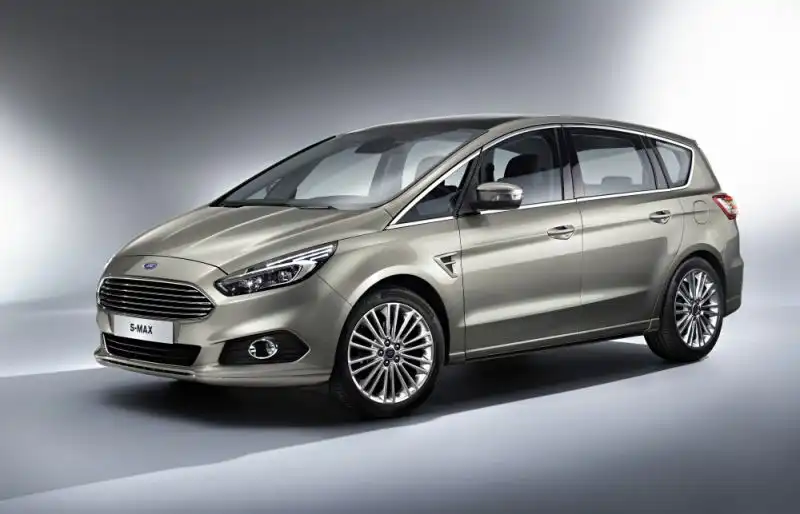
The Ford S-MAX II 1.5 EcoBoost (165 hp) S&S represents a mid-range offering within the second generation of Ford’s popular multi-purpose vehicle (MPV), produced from 2018 to 2019. Positioned as a practical and relatively fuel-efficient option, it aimed to balance performance with affordability in the European market. This variant utilized a downsized turbocharged engine coupled with a six-speed manual transmission, catering to buyers seeking a versatile family vehicle without the higher costs associated with more powerful engine options. It falls within the broader context of the S-MAX II (2015-2020), built on the Ford C2 platform, sharing components with the Ford Galaxy.
Technical Specifications
| Brand | Ford |
| Model | S-MAX |
| Generation | S-MAX II |
| Type (Engine) | 1.5 EcoBoost (165 Hp) S&S |
| Start of production | 2018 |
| End of production | 2019 |
| Powertrain Architecture | Internal Combustion engine |
| Body type | MPV |
| Seats | 5 |
| Doors | 5 |
| Fuel consumption (urban) | 8.8 l/100 km (26.7 US mpg, 32.1 UK mpg, 11.4 km/l) |
| Fuel consumption (extra urban) | 6.4 l/100 km (36.8 US mpg, 44.1 UK mpg, 15.6 km/l) |
| Fuel consumption (combined) | 7.4 l/100 km (31.8 US mpg, 38.2 UK mpg, 13.5 km/l) |
| CO2 emissions | 170 g/km |
| Fuel Type | Petrol (Gasoline) |
| Acceleration 0 – 100 km/h | 9.9 sec |
| Acceleration 0 – 62 mph | 9.9 sec |
| Acceleration 0 – 60 mph | 9.4 sec |
| Maximum speed | 200 km/h (124.27 mph) |
| Emission standard | Euro 6 d-TEMP |
| Weight-to-power ratio | 10 kg/Hp, 100.3 Hp/tonne |
| Weight-to-torque ratio | 6.8 kg/Nm, 147.1 Nm/tonne |
| Power | 165 Hp @ 5500 rpm |
| Power per litre | 110.1 Hp/l |
| Torque | 242 Nm @ 1600-4000 rpm (178.49 lb.-ft. @ 1600-4000 rpm) |
| Engine layout | Front, Transverse |
| Engine Model/Code | C15HDTX, UNCP |
| Engine displacement | 1498 cm3 (91.41 cu. in.) |
| Number of cylinders | 4 |
| Engine configuration | Inline |
| Cylinder Bore | 79.02 mm (3.11 in.) |
| Piston Stroke | 76.4 mm (3.01 in.) |
| Compression ratio | 10:1 |
| Number of valves per cylinder | 4 |
| Fuel injection system | Direct injection |
| Engine aspiration | Turbocharger, Intercooler |
| Valvetrain | DOHC |
| Engine oil capacity | 4.1 l (4.33 US qt | 3.61 UK qt) |
| Coolant | 10.7 l (11.31 US qt | 9.41 UK qt) |
| Kerb Weight | 1645 kg (3626.6 lbs.) |
| Max. weight | 2450 kg (5401.33 lbs.) |
| Max load | 805 kg (1774.72 lbs.) |
| Trunk (boot) space – minimum | 700 l (24.72 cu. ft.) |
| Trunk (boot) space – maximum | 2200 l (77.69 cu. ft.) |
| Fuel tank capacity | 70 l (18.49 US gal | 15.4 UK gal) |
| Length | 4796 mm (188.82 in.) |
| Width | 1916 mm (75.43 in.) |
| Width including mirrors | 2137 mm (84.13 in.) |
| Height | 1655 mm (65.16 in.) |
| Wheelbase | 2849 mm (112.17 in.) |
| Front track | 1606 mm (63.23 in.) |
| Rear (Back) track | 1606 mm (63.23 in.) |
| Ride height (ground clearance) | 128-150 mm (5.04 – 5.91 in.) |
| Minimum turning circle | 12 m (39.37 ft.) |
| Drivetrain Architecture | Front wheel drive |
| Number of gears | 6 gears, manual transmission |
| Front suspension | Independent, type McPherson with coil spring and anti-roll bar |
| Rear suspension | Independent coil spring |
| Front brakes | Ventilated discs |
| Rear brakes | Disc |
| Assisting systems | ABS (Anti-lock braking system) |
| Steering type | Steering rack and pinion |
| Tires size | 235/55 R17; 235/50 R18; 245/45 R19 |
| Wheel rims size | 7.5J x 17; 7.5J x 18; 8J x 19 |
Powertrain & Engine Architecture
The heart of the S-MAX II 1.5 EcoBoost is the Ford C15HDTX engine, a 1.5-liter inline-four cylinder gasoline engine. This engine belongs to Ford’s EcoBoost family, characterized by turbocharging and direct fuel injection. The engine utilizes a single twin-scroll turbocharger, designed to improve responsiveness and reduce turbo lag. Direct injection allows for precise fuel delivery, optimizing combustion efficiency and power output. The engine features a double overhead camshaft (DOHC) valvetrain with four valves per cylinder, further enhancing breathing and performance. The Start & Stop system, denoted by the “S&S” in the model name, automatically shuts off the engine when the vehicle is stationary (e.g., at traffic lights) to conserve fuel. This variant was exclusively offered with a six-speed manual transmission, providing drivers with full control over gear selection. The transmission’s gear ratios were tuned for a balance of fuel economy and acceptable acceleration.
Driving Characteristics
The 165 hp output of the 1.5 EcoBoost engine, combined with the manual transmission, delivered a reasonably engaging driving experience for an MPV. Acceleration from 0-60 mph took approximately 9.4 seconds, which was adequate for everyday driving but noticeably slower than the higher-powered 2.0-liter EcoBoost variants. The engine produced a respectable 242 Nm (178 lb-ft) of torque, available from 1600-4000 rpm, providing sufficient pulling power for overtaking and carrying a full load of passengers and luggage. The six-speed manual transmission allowed drivers to keep the engine in its optimal power band, maximizing efficiency and responsiveness. Compared to the automatic transmissions offered with other engine options, the manual gearbox provided a more direct connection to the engine and a more involved driving experience. However, it required more driver effort, particularly in congested urban environments.
Equipment & Trim Levels
The 1.5 EcoBoost S&S trim typically represented a mid-level specification within the S-MAX II range. Standard equipment generally included air conditioning, a basic infotainment system with Bluetooth connectivity, alloy wheels (typically 17-inch), and a suite of safety features including ABS, ESP (Electronic Stability Program), and multiple airbags. Interior upholstery was typically cloth, with a functional and durable design. Optional extras included features such as a larger touchscreen infotainment system with navigation, parking sensors, a panoramic sunroof, and leather upholstery. Higher trim levels, such as Titanium, offered a more luxurious interior and additional features as standard.
Chassis & Braking
The S-MAX II featured an independent suspension system on both the front and rear axles. The front suspension utilized a McPherson strut design with coil springs and an anti-roll bar, while the rear suspension employed an independent multi-link setup, also with coil springs. This configuration provided a comfortable ride quality and good handling characteristics. Braking duties were handled by ventilated discs on the front wheels and solid discs on the rear. The ABS (Anti-lock Braking System) helped to maintain steering control during emergency braking situations. The chassis was designed to accommodate the weight of passengers and cargo while maintaining stability and control.
Market Reception & Comparison
The Ford S-MAX II 1.5 EcoBoost (165 hp) S&S was generally well-received by automotive critics as a practical and fuel-efficient MPV. It offered a good balance of performance, economy, and space, making it a suitable choice for families. However, some reviewers noted that the 165 hp engine could feel underpowered when the vehicle was fully loaded or when driving on steep inclines. Compared to the 2.0-liter EcoBoost variants, the 1.5-liter engine offered lower running costs but sacrificed some performance. The 1.5 EcoBoost was often seen as a more sensible alternative to the diesel options, offering lower emissions and a smoother driving experience. Fuel economy figures of around 31.8 US mpg (combined) were competitive for its class.
Legacy
The 1.5 EcoBoost engine has proven to be a relatively reliable unit, although some owners have reported issues with the timing chain. Regular maintenance, including oil changes and timing chain inspections, is crucial to ensure long-term reliability. In the used car market, the S-MAX II 1.5 EcoBoost (165 hp) S&S represents a good value proposition for buyers seeking a spacious and versatile MPV. Its relatively low running costs and decent performance make it an attractive option for families on a budget. The S-MAX II, in general, has maintained a solid reputation for practicality and durability, contributing to its continued popularity in the used car market.