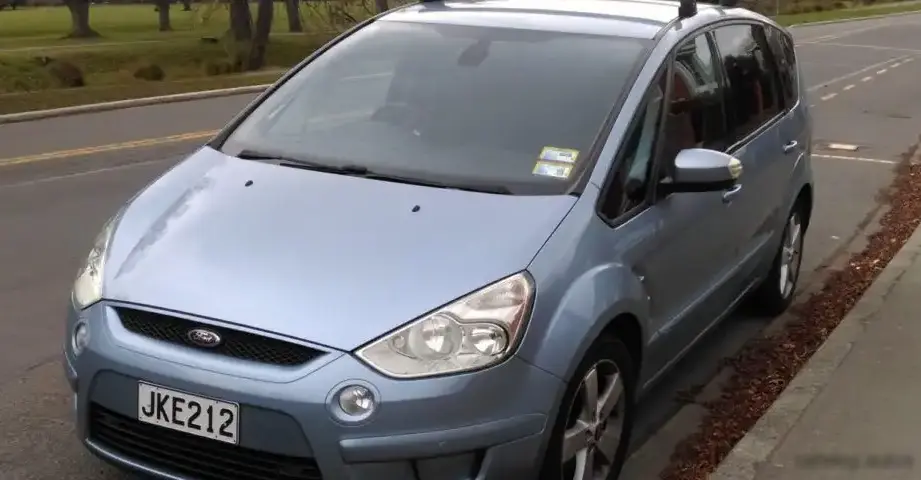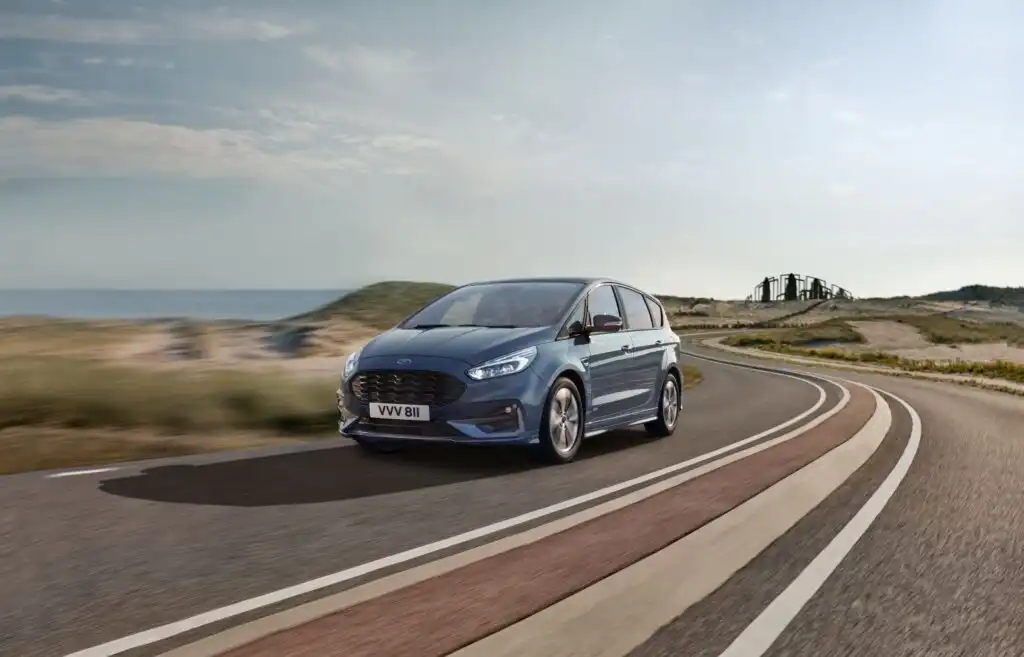
The Ford S-MAX II, specifically the 2.0 Bi-Turbo EcoBlue 240 horsepower automatic variant, represents a significant iteration of Ford’s multi-purpose vehicle (MPV) offering. Introduced with the facelift in November 2019 and continuing through April 2023, this model aimed to balance performance, fuel efficiency, and practicality within the European market, though limited grey imports found their way to North America. It sits within the second generation of the S-MAX (introduced in 2015), benefiting from updates to styling, technology, and powertrain options. This particular configuration was positioned as a mid-to-high range trim, appealing to families and drivers seeking a more dynamic driving experience than the lower-powered engine options.
Technical Specifications
| Brand | Ford |
| Model | S-MAX |
| Generation | S-MAX II (facelift 2019) |
| Type (Engine) | 2.0 Bi-Turbo EcoBlue (240 Hp) Automatic |
| Start of production | November, 2019 |
| End of production | April, 2023 |
| Powertrain Architecture | Internal Combustion engine |
| Body type | MPV |
| Seats | 5-7 |
| Doors | 5 |
| Fuel consumption (urban) | 7.1-7.2 l/100 km (33.1 – 32.7 US mpg) |
| Fuel consumption (extra urban) | 5.2-5.3 l/100 km (45.2 – 44.4 US mpg) |
| Fuel consumption (combined) | 5.9-6.0 l/100 km (39.9 – 39.2 US mpg) |
| CO2 emissions | 154-156 g/km |
| Fuel Type | Diesel |
| Acceleration 0 – 100 km/h | 8.6 sec |
| Acceleration 0 – 62 mph | 8.6 sec |
| Acceleration 0 – 60 mph | 8.2 sec |
| Maximum speed | 220 km/h (136.7 mph) |
| Emission standard | Euro 6d-TEMP-EVAP-ISC |
| Weight-to-power ratio | 7.8 kg/Hp |
| Weight-to-torque ratio | 3.8 kg/Nm |
| Power | 240 Hp @ 4000 rpm |
| Torque | 500 Nm @ 2000 rpm (368.78 lb.-ft. @ 2000 rpm) |
| Engine Model/Code | YLCB |
| Number of cylinders | 4 |
| Engine configuration | Inline |
| Number of valves per cylinder | 4 |
| Fuel injection system | Diesel Commonrail |
| Engine aspiration | BiTurbo, Intercooler |
| Engine oil capacity | 6.4 l (6.76 US qt | 5.63 UK qt) |
| Coolant capacity | 10.7 l (11.31 US qt | 9.41 UK qt) |
| Kerb Weight | 1876 kg (4135.87 lbs) |
| Max. weight | 2600 kg (5732.02 lbs) |
| Max load | 724 kg (1596.15 lbs) |
| Trunk (boot) space – minimum | 965 l (34.08 cu. ft) |
| Trunk (boot) space – maximum | 2020 l (71.34 cu. ft) |
| Fuel tank capacity | 63 l (16.64 US gal | 13.86 UK gal) |
| Max. roof load | 75 kg (165.35 lbs) |
| Permitted trailer load with brakes (8%) | 2000 kg (4409.25 lbs) |
| Permitted trailer load with brakes (12%) | 2000 kg (4409.25 lbs) |
| Permitted trailer load without brakes | 750 kg (1653.47 lbs) |
| Permitted towbar download | 90 kg (198.42 lbs) |
| Length | 4796 mm (188.82 in) |
| Width | 1916 mm (75.43 in) |
| Width with mirrors folded | 1953 mm (76.89 in) |
| Width including mirrors | 2137 mm (84.13 in) |
| Height | 1655 mm (65.16 in) |
| Wheelbase | 2850 mm (112.2 in) |
| Minimum turning circle | 11.95 m (39.21 ft) |
| Drivetrain Architecture | Front wheel drive |
| Number of gears | 8 |
| Gearbox type | Automatic transmission |
| Front suspension | Independent, type McPherson with coil spring and anti-roll bar |
| Rear suspension | Independent coil spring |
| Front brakes | Ventilated discs |
| Rear brakes | Disc |
| Steering type | Steering rack and pinion |
| Power steering | Electric Steering |
| Tires size | 235/55 R17; 235/50 R18 |
| Wheel rims size | 7.5J x 17; 7.5J x 18 |
INTRODUCTION
The S-MAX II facelift, launched in late 2019, built upon the foundation laid by the second-generation model introduced in 2015. Based on the Ford’s global CD2 platform (also known as the 1HX0/A3 platform within the Ford organization), the S-MAX aimed to provide a compelling alternative to traditional minivan offerings, emphasizing a more dynamic driving experience and stylish design. The 2.0 Bi-Turbo EcoBlue 240 hp automatic variant was a key component of the refreshed lineup, offering a balance of performance and efficiency for European buyers. It was positioned above the lower-powered diesel options and below potential performance-oriented trims (though those were less common in the S-MAX range).
Powertrain & Engine Architecture
At the heart of this S-MAX variant lies the Ford YLCB 2.0-liter inline-four cylinder diesel engine. This engine utilizes a sophisticated bi-turbocharger setup – a small, low-inertia turbocharger for immediate response and a larger turbocharger for sustained power delivery. This configuration helps to mitigate turbo lag and provide a broad torque curve. The engine employs a common-rail direct fuel injection system, operating at extremely high pressures to ensure efficient combustion and reduced emissions. The engine also features an intercooler to cool the intake air, further enhancing performance. The 8-speed automatic transmission, sourced from Ford and co-developed with Getrag, is a torque-converter type, offering smooth and relatively quick shifts. It’s programmed for both fuel efficiency and responsive acceleration, with selectable drive modes influencing shift points. The engine also incorporates a Start & Stop system and a diesel particulate filter (DPF) to meet stringent Euro 6d-TEMP-EVAP-ISC emission standards.
Driving Characteristics
The 240 hp and 500 Nm (368 lb-ft) of torque delivered by the 2.0 Bi-Turbo EcoBlue engine provide the S-MAX with brisk acceleration. The 0-60 mph sprint takes approximately 8.2 seconds, and the car reaches a top speed of 136.7 mph. In real-world driving, the engine feels responsive and capable, particularly when overtaking or carrying a full load. The 8-speed automatic transmission contributes to a relaxed cruising experience, with well-chosen gear ratios. Compared to the lower-powered diesel variants, this 240 hp version offers a noticeably more engaging driving experience. While not a sports car, the S-MAX handles surprisingly well for its size, with decent body control and accurate steering. The automatic transmission, while generally smooth, can occasionally exhibit some hesitation during downshifts, particularly in demanding situations. Compared to a manual transmission equipped S-MAX, the automatic sacrifices some driver involvement but gains convenience.
Equipment & Trim Levels
The 2.0 Bi-Turbo EcoBlue 240 hp automatic typically came equipped with a generous level of standard features. These included Ford’s SYNC 3 infotainment system with an 8-inch touchscreen, navigation, Apple CarPlay and Android Auto compatibility, and a premium sound system. Comfort features such as dual-zone climate control, heated front seats, and leather upholstery were also common. Safety features included adaptive cruise control, lane-keeping assist, automatic emergency braking, and front and rear parking sensors. Optional extras included a panoramic sunroof, a powered tailgate, and upgraded interior trim materials. Trim levels varied slightly depending on the specific market, but generally, this engine configuration was offered in higher-spec trims like Titanium or Vignale, offering a more luxurious and well-equipped experience.
Chassis & Braking
The S-MAX II utilizes an independent suspension setup on both the front and rear axles. The front suspension employs McPherson struts with coil springs and an anti-roll bar, while the rear features an independent multi-link suspension, also with coil springs. This configuration provides a good balance of ride comfort and handling. Braking duties are handled by ventilated discs on the front wheels and solid discs on the rear. The S-MAX is equipped with ABS (Anti-lock Braking System), Electronic Stability Control (ESC), and Traction Control. Steering is provided by an electric power steering system, offering a light and precise feel.
Market Reception & Comparison
The S-MAX II, and particularly the 2.0 Bi-Turbo EcoBlue 240 hp variant, received generally positive reviews from automotive critics. It was praised for its spacious interior, comfortable ride, and engaging driving dynamics. The engine was lauded for its strong performance and fuel efficiency. However, some critics noted that the interior design, while functional, lacked the premium feel of some competitors. Compared to other MPVs in its class, such as the Volkswagen Sharan or the Citroën Grand C4 Picasso, the S-MAX offered a more driver-focused experience. Fuel economy figures of around 39.9-39.2 US mpg (combined) were competitive for a vehicle of its size and performance. Reliability reports suggest that the 2.0 Bi-Turbo EcoBlue engine is generally robust, although the DPF system can be prone to issues if the vehicle is primarily used for short trips.
Legacy
The Ford S-MAX II 2.0 Bi-Turbo EcoBlue 240 hp automatic represents a well-rounded and capable MPV that offered a compelling alternative to more conventional minivan options. While production ended in 2023, these models continue to appear on the used car market. The 2.0 Bi-Turbo EcoBlue engine, when properly maintained, has proven to be a reliable and durable powertrain. The S-MAX’s blend of practicality, performance, and style ensures its continued appeal to families and drivers seeking a versatile and engaging vehicle. Potential buyers should be aware of the potential for DPF issues and ensure regular servicing to maintain optimal performance and longevity.