Technical Specifications
| Brand | Ford |
| Model | Scorpio |
| Generation | Scorpio I Turnier (GGE) |
| Type (Engine) | 2.5 (115 Hp) |
| Start of production | 1991 |
| End of production | 1994 |
| Powertrain Architecture | Internal Combustion engine |
| Body type | Station wagon (estate) |
| Seats | 5 |
| Doors | 5 |
| Fuel Type | Diesel |
| Power | 115 Hp |
| Engine layout | Front, Longitudinal |
| Engine Model/Code | SCB |
| Engine configuration | Inline |
| Fuel injection system | Precombustion chamber injection |
| Engine aspiration | Turbocharger, Intercooler |
| Engine oil capacity | 6.6 l (6.97 US qt | 5.81 UK qt) |
| Drivetrain Architecture | Rear wheel drive |
| Number of gears | 5 |
| Type of gearbox | Manual transmission |
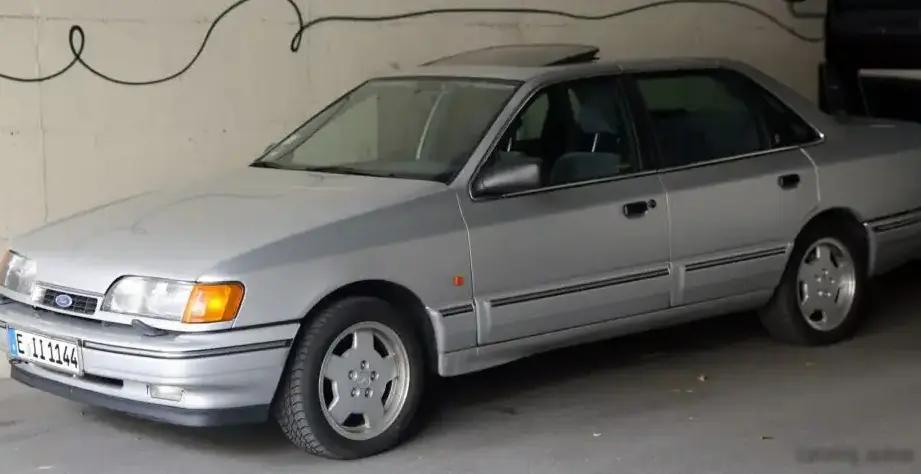
The Ford Scorpio I Turnier (GGE) 2.5, produced between 1991 and 1994, was a significant offering in Ford’s European lineup as a large, rear-wheel-drive station wagon. Positioned as a more practical alternative to the saloon version, the Turnier – Ford’s designation for its estate models – aimed to provide spaciousness and utility without sacrificing the comfort and refinement expected of a flagship Ford. This particular 2.5-liter turbocharged diesel variant, developing 115 horsepower, occupied a middle ground within the Scorpio range, offering a balance between performance, fuel economy, and cost. It was a key model for fleet buyers and families needing a robust and capable vehicle.
Powertrain & Engine Architecture
The heart of the Scorpio I Turnier 2.5 was the SCB engine, a 2.5-liter inline four-cylinder diesel. This engine utilized precombustion chamber injection, a system common in European diesels of the era. Unlike direct injection, precombustion chambers housed a glow plug and a small combustion chamber where fuel was initially ignited, then transferred to the main cylinder. This design aided cold starting and reduced engine noise, though it generally resulted in slightly lower efficiency compared to direct injection systems. The addition of a turbocharger and intercooler significantly boosted power output to 115 horsepower, a substantial increase over naturally aspirated diesel options. The turbocharger provided increased air intake, while the intercooler cooled the compressed air, further enhancing combustion efficiency and power. The engine’s longitudinal mounting within the front-wheel-drive chassis was a carryover from earlier Ford designs, contributing to the car’s rear-wheel-drive configuration. The five-speed manual transmission was a robust unit designed to handle the engine’s torque output, offering relatively precise shifts.
Driving Characteristics
The 2.5-liter turbocharged diesel Scorpio Turnier offered a distinctly different driving experience compared to its petrol counterparts or the lower-powered diesel versions. While not a sports car, the turbocharger provided a noticeable surge of power in the mid-range, making overtaking on highways relatively effortless. The five-speed manual transmission allowed drivers to keep the engine within its optimal power band. However, the engine’s torque peak was relatively low in the rev range, meaning frequent gear changes were necessary to maintain momentum, especially when climbing hills or carrying a full load. The rear-wheel-drive layout provided balanced handling, although the car’s considerable weight – typical of large estates – meant it wasn’t particularly agile. Compared to the 2.0-liter petrol versions, the 2.5 diesel offered significantly more torque, making it better suited for towing or carrying heavy loads. The manual transmission, while offering more control, lacked the convenience of the automatic options available on other Scorpio trims.
Equipment & Trim Levels
The Scorpio I Turnier 2.5 typically came with a reasonable level of standard equipment, reflecting its position as a mid-range offering. Interior upholstery was generally cloth, though higher-spec versions could be equipped with velour or leather. Standard features included central locking, electric front windows, and a basic stereo system. Power steering was also standard, a welcome addition given the car’s size and weight. Optional extras included a sunroof, upgraded stereo systems, and air conditioning. The dashboard layout was functional and straightforward, with clearly labeled controls. Trim levels varied slightly depending on the market, but generally, the 2.5 diesel Turnier was positioned above the base models but below the more luxurious petrol-powered versions. The Turnier’s estate body style naturally provided a large cargo area, making it a practical choice for families and those needing to transport bulky items.
Chassis & Braking
The Scorpio I Turnier utilized a relatively conventional chassis design for the early 1990s. It featured independent suspension at the front, typically using MacPherson struts, and a live axle with trailing arms at the rear. The rear suspension setup was chosen for its robustness and load-carrying capacity, essential for a station wagon. Braking was typically accomplished with disc brakes at the front and drum brakes at the rear. Anti-lock braking system (ABS) was available as an option, enhancing safety, particularly in slippery conditions. Stabilizer bars were fitted to both the front and rear axles to reduce body roll during cornering. The steering was a recirculating ball system, providing a relatively heavy but precise feel. The suspension was tuned for comfort, prioritizing a smooth ride over sporty handling. The chassis was reinforced to accommodate the increased weight of the estate body style and the demands of carrying heavy loads.
Market Reception & Comparison
The Ford Scorpio I Turnier 2.5 received generally positive reviews, particularly for its spaciousness, practicality, and fuel economy. Critics praised the turbocharged diesel engine for its performance and torque, making it a capable long-distance cruiser. However, some reviewers noted the engine could be noisy and lacked the refinement of some of its competitors. Compared to other large estates of the time, such as the Volvo 940 or the BMW 5 Series Touring, the Scorpio offered a more affordable price point. The 2.5 diesel version was often compared to the 2.0-liter petrol Scorpio, with the diesel offering superior fuel economy and torque, while the petrol version provided quicker acceleration and a smoother driving experience. Reliability was generally good, although the precombustion chamber diesel injection system could require occasional maintenance. The manual transmission was considered more durable than the automatic options.
Legacy
The Ford Scorpio I Turnier 2.5, while not a particularly common sight today, holds a certain appeal for enthusiasts of classic European cars. The SCB engine, while aging, is known for its durability when properly maintained. Parts availability can be challenging, but a dedicated network of Ford Scorpio owners and specialists exists. The car’s robust construction and practical design have ensured that many examples are still on the road. In the used car market, these Scorpios are typically valued for their practicality and affordability. They represent a unique blend of 1990s Ford engineering, offering a spacious and capable vehicle that stands out from more modern offerings. The Scorpio, in general, is remembered as a bold attempt by Ford to compete in the upper echelons of the European car market, and the Turnier estate version remains a popular choice for those seeking a classic, practical, and relatively affordable vehicle.