The Legendary Ford Shelby I Cobra GT 350 5.0 V8 (254 Hp) Automatic: A Classic American Icon
The Ford Shelby I Cobra GT 350 5.0 V8 (254 Hp) Automatic represents a pivotal chapter in American automotive history, embodying the raw power and distinctive style of the late 1960s muscle car era. Produced between 1968 and 1970, this vehicle was a collaboration between Ford Motor Company and the legendary Carroll Shelby, transforming the already popular Ford Mustang into a high-performance machine with a formidable street presence. As part of the first generation of Shelby Mustangs, the GT350 was positioned as a more agile and driver-focused alternative to its larger-engined GT500 sibling, though still packed with ample V8 power. Its market segment was clear: a high-performance grand touring coupe designed for enthusiasts who demanded both speed and a distinctive aesthetic.
Engine and Performance: Powering the {original_focus_keyword}
At the heart of the 1968-1970 Ford Shelby I Cobra GT 350 5.0 V8 (254 Hp) Automatic lay a robust 5.0-liter (4942 cm³ or 301.58 cubic inches) V8 engine, a powerplant synonymous with American muscle. This naturally aspirated, front-longitudinal engine featured a classic carburettor fuel injection system, delivering an impressive 254 horsepower at 4800 rpm. The engine’s strength wasn’t just in its peak power; it also produced a substantial 309.78 lb-ft (420 Nm) of torque at a relatively low 2800 rpm, ensuring potent acceleration and excellent throttle response across the rev range. With a compression ratio of 10.5:1 and an eight-cylinder V-configuration, each cylinder boasted four valves, contributing to efficient combustion and power delivery. The substantial bore of 4 inches (101.6 mm) and a stroke of 3 inches (76.2 mm) further defined its oversquare design, favoring higher revs and power output.
The GT350’s powertrain architecture directed all this power to the rear wheels, a quintessential characteristic of muscle cars. Mated to a 3-speed automatic transmission, this configuration provided a blend of performance and convenience, making the car a formidable contender on both the street and the drag strip. Despite its curb weight of 3174.66 pounds (1440 kg), the GT350 achieved a respectable weight-to-power ratio of approximately 12.5 pounds per horsepower, translating into exhilarating performance for its era. The vehicle’s focus was on delivering an unfiltered, visceral driving experience, characteristic of Shelby’s philosophy of turning good cars into great performers.
Design and Features: The Iconic Cobra GT 350 Silhouette
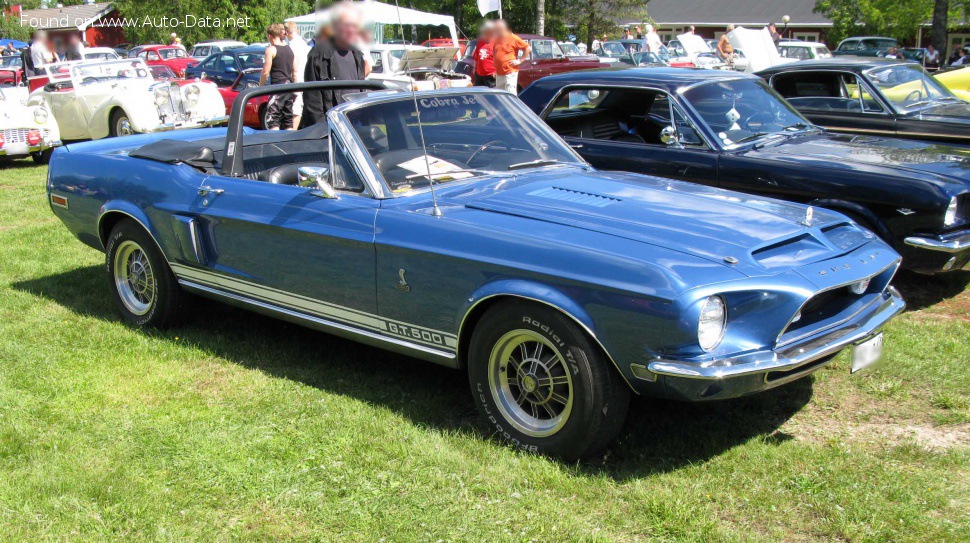
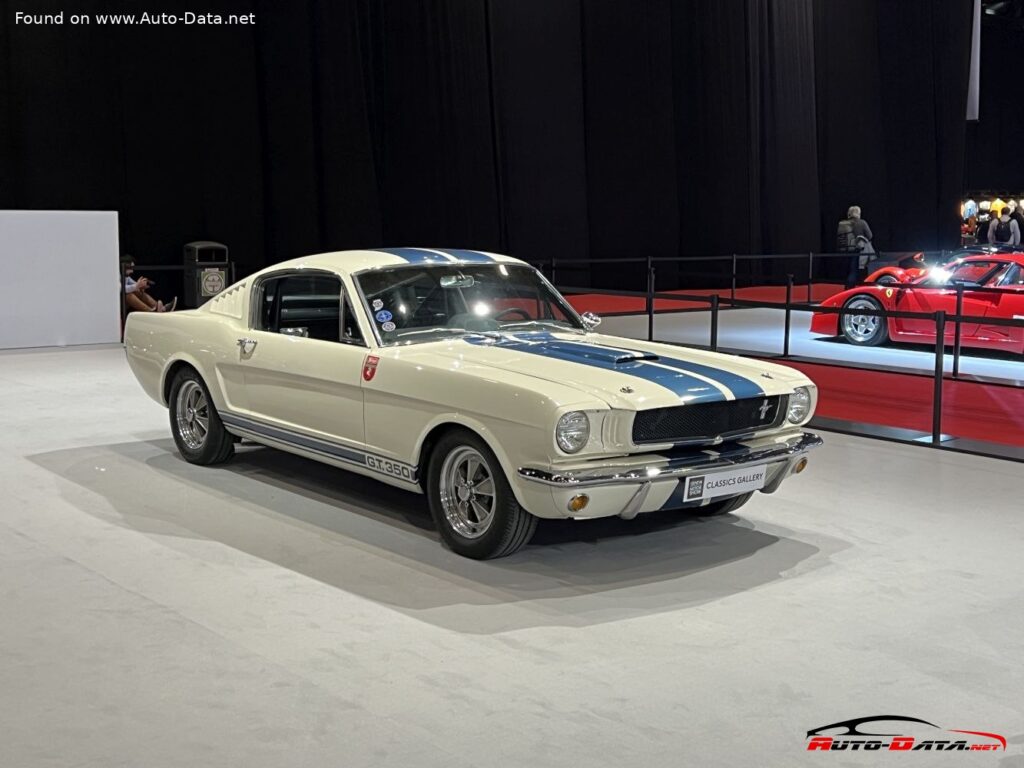
The Ford Shelby I Cobra GT 350 was instantly recognizable, building upon the Ford Mustang’s popular fastback coupe body style while infusing it with distinctive Shelby modifications. This two-door, four-seat coupe exuded an aggressive yet refined aesthetic that perfectly captured the spirit of high-performance American cars. Measuring 186.61 inches (4740 mm) in length, 70.91 inches (1801 mm) in width, and 51.42 inches (1306 mm) in height, the GT350 possessed a commanding presence. Its wheelbase of 107.99 inches (2743 mm) contributed to both stable handling and a balanced profile.
Key design elements included the iconic front fascia, often featuring a unique grille with driving lights, functional hood scoops for engine cooling, and side scoops designed to cool the rear brakes or simply enhance its performance-oriented look. The distinctive “Cobra” badging and racing stripes further solidified its Shelby heritage. Inside, the GT350 offered a driver-focused cockpit, typical of sports cars of the period, with bucket seats and instrumentation designed for performance monitoring. While safety features were rudimentary by modern standards, the car’s appeal lay in its direct connection between driver and machine, offering an unadulterated driving experience.
Underneath its striking exterior, the GT350 featured a robust chassis. The drivetrain architecture ensured rear-wheel drive, providing the classic muscle car feel. Stopping power was managed by disc brakes at the front and drum brakes at the rear, a common setup for high-performance vehicles of the late 1960s. The car’s turning circle of 38.06 feet (11.6 meters) was typical for a vehicle of its size, offering reasonable maneuverability. While the drag coefficient of 0.47 might seem high by contemporary standards, it was characteristic of the era’s design philosophy, prioritizing style and engine capacity over aerodynamic efficiency.
Technical Specifications
| Category | Specification |
|---|---|
| Brand | Ford |
| Model | Shelby |
| Generation | Shelby I |
| Type (Engine) | Cobra GT 350 5.0 V8 (254 Hp) Automatic |
| Start of Production | 1968 year |
| End of Production | 1970 year |
| Powertrain Architecture | Internal Combustion engine |
| Body Type | Coupe |
| Seats | 4 |
| Doors | 2 |
| Performance Specs | |
| Fuel Type | Petrol (Gasoline) |
| Power | 254 Hp @ 4800 rpm |
| Power per liter | 51.4 Hp/l |
| Torque | 309.78 lb-ft (420 Nm) @ 2800 rpm |
| Weight-to-power ratio | 12.5 lbs/Hp (5.7 kg/Hp) |
| Weight-to-torque ratio | 7.6 lbs/lb-ft (3.4 kg/Nm) |
| Engine Specs | |
| Engine Layout | Front, Longitudinal |
| Engine Displacement | 301.58 cu. in. (4942 cm³) |
| Number of Cylinders | 8 |
| Engine Configuration | V-engine |
| Cylinder Bore | 4 in. (101.6 mm) |
| Piston Stroke | 3 in. (76.2 mm) |
| Compression Ratio | 10.5:1 |
| Number of Valves per Cylinder | 4 |
| Fuel Injection System | Carburettor |
| Engine Aspiration | Naturally aspirated engine |
| Space, Volume and Weights | |
| Kerb Weight | 3174.66 lbs (1440 kg) |
| Fuel Tank Capacity | 16.91 US gal (64 l) |
| Dimensions | |
| Length | 186.61 in. (4740 mm) |
| Width | 70.91 in. (1801 mm) |
| Height | 51.42 in. (1306 mm) |
| Wheelbase | 107.99 in. (2743 mm) |
| Front Track | 58.11 in. (1476 mm) |
| Rear Track | 58.11 in. (1476 mm) |
| Drag Coefficient (Cd) | 0.47 |
| Minimum Turning Circle | 38.06 ft (11.6 m) |
| Drivetrain, Brakes and Suspension Specs | |
| Drivetrain Architecture | Internal combustion engine drives the rear wheels. |
| Drive Wheel | Rear wheel drive |
| Number of Gears and Type of Gearbox | 3 gears, automatic transmission |
| Front Brakes | Disc |
| Rear Brakes | Drum |
Legacy and Market Impact of the Shelby GT350
The Ford Shelby I Cobra GT 350’s legacy is deeply intertwined with the legend of Carroll Shelby and the burgeoning American muscle car movement. Positioned between 1968 and 1970, this generation of GT350 saw a slight shift in philosophy compared to the earlier, more race-focused models. While still a high-performance machine, it evolved into a more refined grand tourer, offering a balance of brutal power and increased comfort for the road. This made it an appealing choice for a broader range of performance enthusiasts.
In its primary market, the United States, the GT350 competed fiercely with other iconic muscle cars of the era. Its direct rivals included the Chevrolet Camaro Z/28, Pontiac Firebird Trans Am, Plymouth Barracuda ‘Cuda, and Dodge Challenger R/T. What set the Shelby GT350 apart was its unique blend of Mustang familiarity with Shelby’s race-bred engineering and distinctive styling cues. The Cobra GT 350 wasn’t just a powerful car; it was a statement, a testament to American ingenuity and a symbol of automotive freedom.
Its historical significance cannot be overstated. The Shelby Mustangs, particularly the GT350, helped define the golden age of muscle cars, pushing the boundaries of what was expected from a production vehicle. Today, the 1968-1970 Ford Shelby I Cobra GT 350 5.0 V8 (254 Hp) Automatic is a highly sought-after collector’s item, celebrated for its performance, design, and the indelible mark it left on automotive culture. Its relatively limited production run further enhances its desirability among enthusiasts and collectors worldwide. The GT350 continues to influence modern performance cars, serving as a benchmark for aggressive styling and a commitment to raw, unadulterated power that remains timeless.