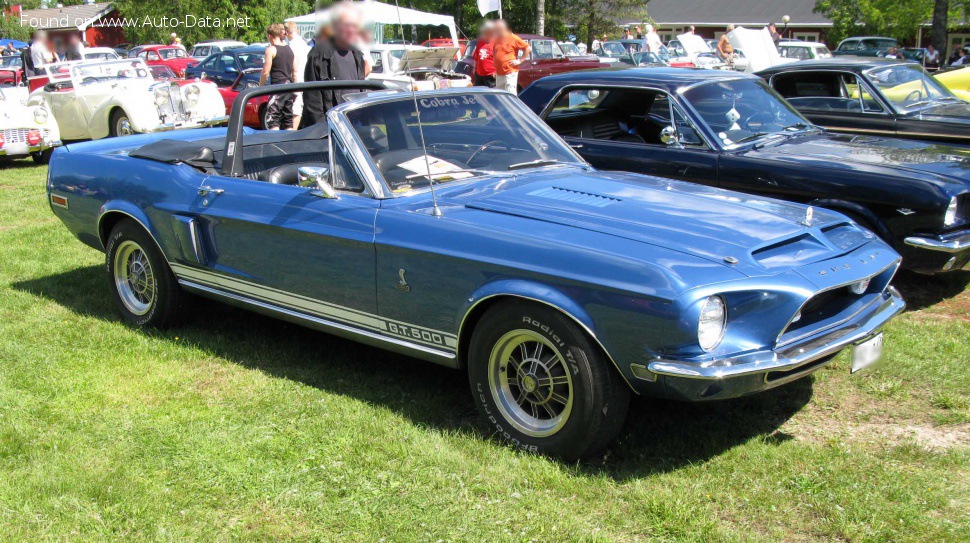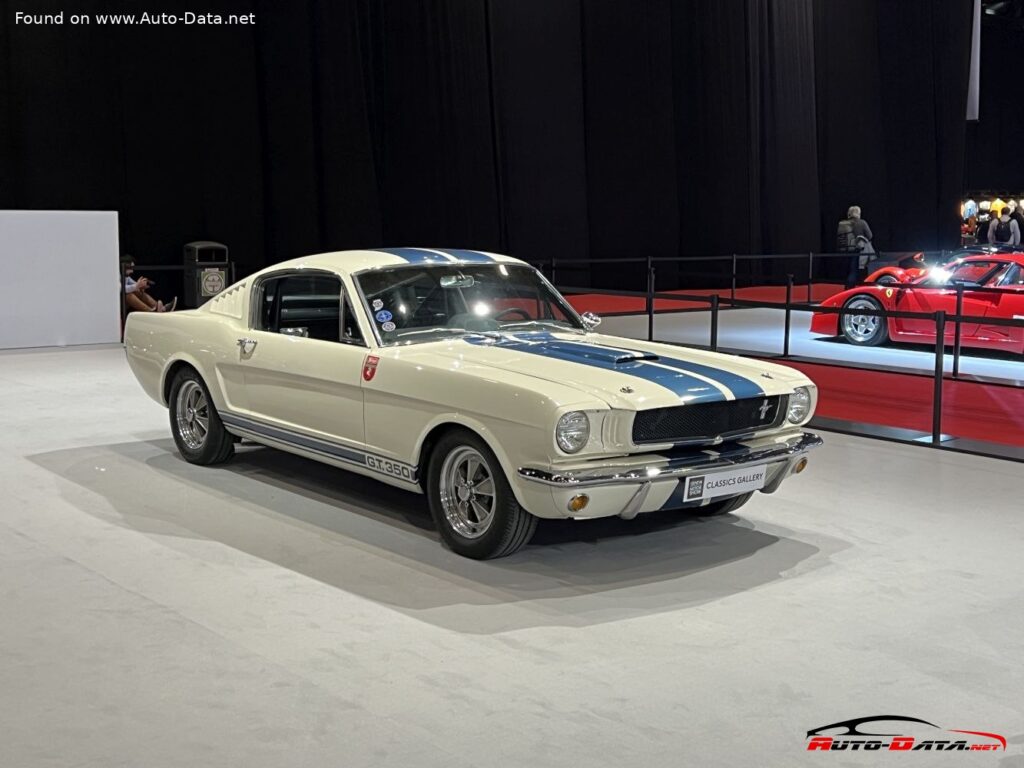
Introduction to the Ford Shelby I Cobra GT 350 5.0 V8 (340 Hp)
The Ford Shelby I Cobra GT 350 5.0 V8 (340 Hp) represents a pinnacle of American muscle car engineering and a significant chapter in the storied collaboration between Ford Motor Company and legendary automotive designer and racer Carroll Shelby. Produced between 1968 and 1970, this iteration of the GT350 was part of the first generation of Shelby Mustangs, a series of high-performance variants of the Ford Mustang developed by Shelby American. Far from being merely a cosmetic upgrade, the Shelby GT350 was a comprehensively re-engineered machine, built to dominate both the street and the track. It embodied the raw power, aggressive styling, and uncompromised performance that defined the golden age of American muscle cars.
During its production run, the Shelby GT350, particularly the 1968 model, continued to evolve, integrating design and performance enhancements that set it apart from its standard Mustang brethren. While often overshadowed by its more powerful GT500 sibling, the GT350 maintained its reputation as a balanced and agile performer. It carved out its niche by offering a potent blend of V8 power and improved handling characteristics, making it a formidable competitor in an increasingly crowded performance car market. The Shelby I generation, with its distinctive styling cues and mechanical upgrades, remains a highly sought-after classic, celebrated for its heritage and its enduring impact on automotive culture.
Engine and Performance of the Ford Shelby I Cobra GT 350
At the heart of the Ford Shelby I Cobra GT 350 lay a robust 5.0-liter (4942 cm3 or 301.58 cu. in.) V8 engine, configured longitudinally at the front of the vehicle. This powerhouse was engineered to deliver exhilarating performance, producing a formidable 340 horsepower at 5200 rpm and a substantial 324.53 lb.-ft. (440 Nm) of torque at a relatively low 3200 rpm. The impressive torque figure ensured strong acceleration and responsive throttle input across a wide power band, a hallmark of American V8 muscle.
What truly set this engine apart was its aspiration method: a supercharger. While many contemporary muscle cars relied on naturally aspirated setups, the addition of forced induction significantly boosted the engine’s output and responsiveness, contributing to its aggressive character. Fuel delivery was managed by a traditional carburettor system, a common and effective method for performance engines of that era. The V8 featured an 8-cylinder V-engine configuration with 4 valves per cylinder, a bore of 4 inches (101.6 mm), and a piston stroke of 3 inches (76.2 mm), resulting in a compression ratio of 10.5:1. These specifications were optimized for high-octane gasoline, providing the necessary combustion efficiency for its impressive power figures.
Power was channeled to the rear wheels via a robust 4-speed manual transmission, offering drivers direct control over the engine’s output and providing an engaging driving experience. This powertrain architecture, combined with a curb weight of 3218.75 lbs. (1460 kg), resulted in an impressive weight-to-power ratio of 4.3 kg/Hp (232.9 Hp/tonne) and a weight-to-torque ratio of 3.3 kg/Nm (301.4 Nm/tonne). These figures underscored the GT350’s capability to deliver potent straight-line performance, a critical attribute for any muscle car of its time. The car’s 16.91 US gallon (64 liter) fuel tank provided a reasonable range for cruising,