The Ford Shelby I Cobra GT 500 7.0 V8 (365 Hp): A Legend of American Muscle
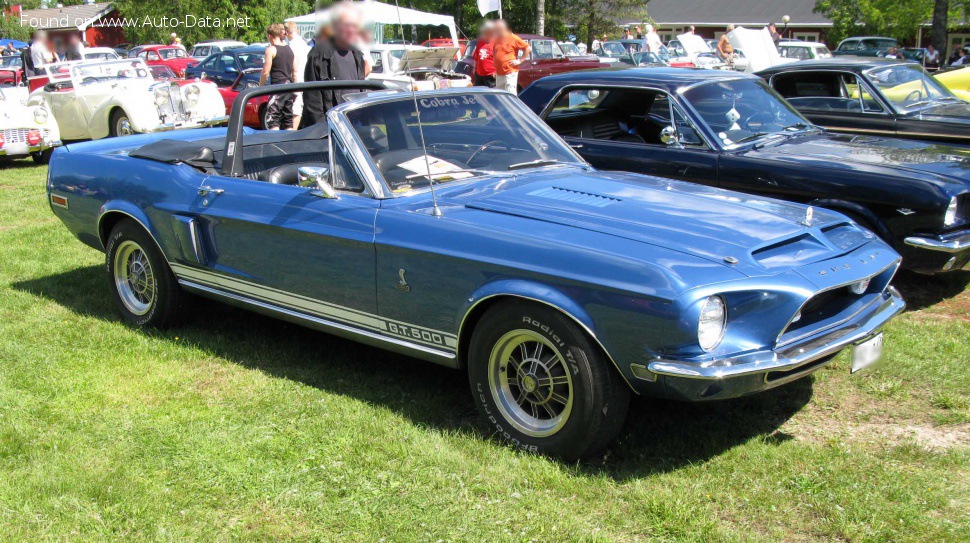
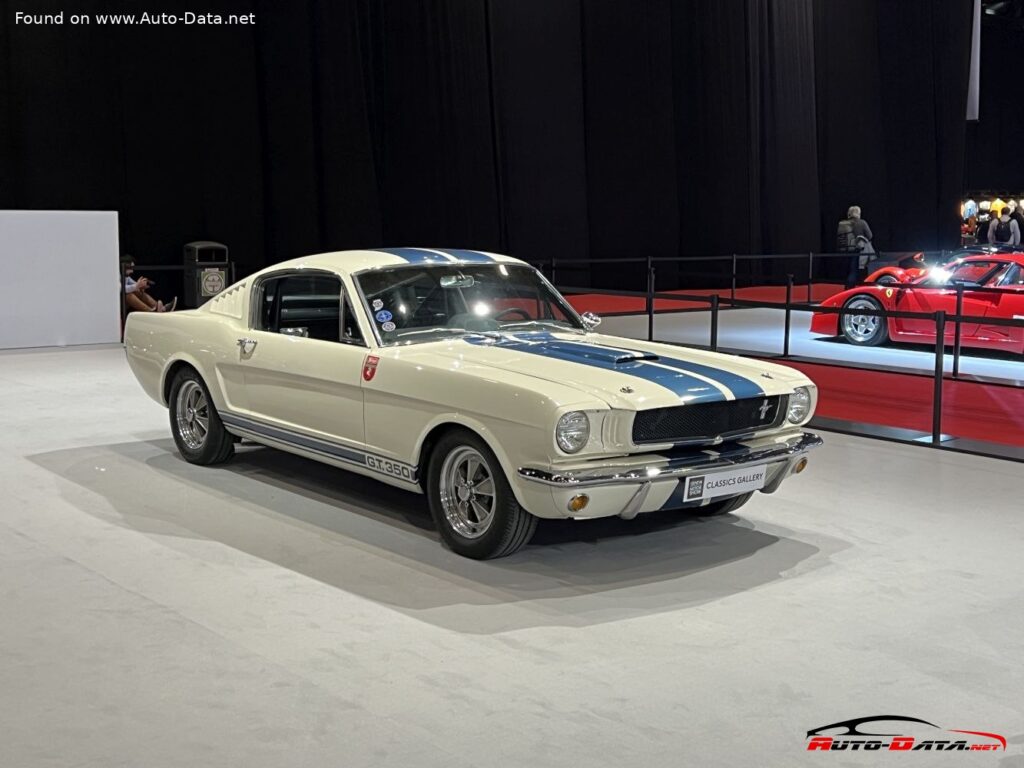
The Ford Shelby I Cobra GT 500 7.0 V8 (365 Hp) represents the pinnacle of American muscle car engineering and design from the late 1960s. Produced between 1968 and 1970, this iconic vehicle belongs to the first generation of Shelby Mustangs, a collaboration between Ford Motor Company and legendary automotive designer and racer Carroll Shelby. Positioned at the very top of the performance pony car segment, the GT500 was not merely a Mustang with a bigger engine; it was a comprehensively re-engineered machine designed for high-speed performance and street credibility. It embodied the raw power and distinctive styling that defined the golden age of American muscle cars, captivating enthusiasts with its potent powertrain and aggressive aesthetics. This particular iteration, featuring the formidable 7.0-liter V8, cemented its place in automotive history as a true performance icon.
Engine and Performance: The Heart of the Ford Shelby I Cobra GT 500 7.0 V8 (365 Hp)
At the core of the Ford Shelby I Cobra GT 500 7.0 V8 (365 Hp) lies its magnificent powertrain: a naturally aspirated, front-longitudinal 7.0-liter (6997 cm3 or 426.98 cu. in.) V8 engine. This colossal eight-cylinder unit, configured in a V-shape, was an engineering marvel for its time, designed to deliver exhilarating power and torque. With a compression ratio of 10.5:1, a cylinder bore of 4.13 inches (104.9 mm), and a piston stroke of 3.98 inches (101.19 mm), the engine was built for robust and consistent performance.
The engine produced a formidable 365 horsepower at 5400 rpm, a figure that, while impressive, was often rumored to be understated for insurance purposes, with many believing the actual output was significantly higher. Torque was equally impressive, peaking at 419.67 lb.-ft. (569 Nm) at a relatively low 3200 rpm, providing immense pulling power right off the line. Power was delivered to the rear wheels via a robust 4-speed manual transmission, offering drivers direct control over the car’s immense capabilities. This drivetrain architecture, combining a powerful engine with a manual gearbox and rear-wheel drive, was the quintessential setup for a performance car of its era, providing an engaging and visceral driving experience.
Fueling the beast was a traditional carburetor system, a testament to the technology of the late 1960s. Despite its large displacement, the engine was tuned for a balance of streetability and track performance. The car’s weight-to-power ratio stood at 4.3 kg/Hp (233.5 Hp/tonne), meaning each horsepower had to move only 9.48 pounds of vehicle, contributing to its rapid acceleration. The weight-to-torque ratio was an equally impressive 2.7 kg/Nm (364 Nm/tonne), highlighting the engine’s ability to effortlessly propel the 3445.83 lbs (1563 kg) curb weight. This combination of raw power, substantial torque, and a relatively light chassis ensured that the GT500 was a dominant force on both the street and the drag strip.
Design and Features: Iconic Styling and Period-Specific Engineering
The design of the Ford Shelby I Cobra GT 500 7.0 V8 (365 Hp) was as much a part of its appeal as its performance. As a 2-door coupe with seating for four, it retained the fundamental silhouette of the Mustang but was significantly enhanced by Shelby’s aggressive styling cues. The car’s dimensions—186.61 inches (4740 mm) in length, 70.91 inches (1801 mm) in width, and a wheelbase of 107.99 inches (2743 mm)—gave it a substantial, muscular presence. The wide stance, with front and rear tracks both measuring 58.11 inches (1476 mm), contributed to its formidable road presence and handling characteristics.
Exterior features typically included a distinctive fiberglass hood with functional scoops for engine cooling, a unique grille with driving lights, side scoops to cool the rear brakes, and a subtle rear spoiler. These elements were not merely cosmetic; they served functional purposes, improving aerodynamics and engine efficiency. The car’s drag coefficient (Cd) was 0.47, a common figure for performance cars of that era, reflecting a balance between styling and aerodynamic considerations. The overall aesthetic was one of purposeful aggression, setting it apart from its standard Mustang brethren.
Inside, the GT500 offered a blend of performance-oriented appointments and standard Mustang comfort. Specific Shelby touches included a unique steering wheel, additional gauges to monitor engine vitals, and often upgraded seating to provide better support during spirited driving. For its time, safety features were rudimentary compared to modern vehicles but included standard lap belts and a robust steel chassis. The braking system comprised disc brakes at the front and drum brakes at the rear, a common setup for the period, offering adequate stopping power for a car of its performance capabilities, though later models and enthusiasts often upgraded the rear drums for improved performance. The minimum turning circle of 38.06 feet (11.6 meters) was typical for a vehicle of its size and wheelbase.
Technical Specifications
| Category | Specification | Details |
|---|---|---|
| General Information | Brand | Ford |
| Model | Shelby | |
| Generation | Shelby I | |
| Type (Engine) | Cobra GT 500 7.0 V8 (365 Hp) | |
| Start of Production | 1968 year | |
| End of Production | 1970 year | |
| Powertrain Architecture | Internal Combustion engine | |
| Body Type | Coupe | |
| Seats | 4 | |
| Doors | 2 | |
| Performance Specs | Fuel Type | Petrol (Gasoline) |
| Weight-to-power ratio | 4.3 kg/Hp, 233.5 Hp/tonne | |
| Weight-to-torque ratio | 2.7 kg/Nm, 364 Nm/tonne | |
| Engine Specs | Power | 365 Hp @ 5400 rpm |
| Power per liter | 52.2 Hp/l | |
| Torque | 569 Nm @ 3200 rpm (419.67 lb.-ft. @ 3200 rpm) | |
| Engine Layout | Front, Longitudinal | |
| Engine Displacement | 6997 cm3 (426.98 cu. in.) | |
| Number of Cylinders | 8 | |
| Engine Configuration | V-engine | |
| Cylinder Bore | 104.9 mm (4.13 in.) | |
| Piston Stroke | 101.19 mm (3.98 in.) | |
| Compression Ratio | 10.5:1 | |
| Number of Valves per Cylinder | 4 | |
| Fuel Injection System | Carburettor | |
| Engine Aspiration | Naturally aspirated engine | |
| Space, Volume and Weights | Kerb Weight | 1563 kg (3445.83 lbs) |
| Fuel Tank Capacity | 64 l (16.91 US gal) | |
| Dimensions | Length | 4740 mm (186.61 in.) |
| Width | 1801 mm (70.91 in.) | |
| Width with mirrors folded | 1306 mm (51.42 in.) | |
| Wheelbase | 2743 mm (107.99 in.) | |
| Front Track | 1476 mm (58.11 in.) | |
| Rear (Back) Track | 1476 mm (58.11 in.) | |
| Drag Coefficient (Cd) | 0.47 | |
| Minimum Turning Circle | 11.6 m (38.06 ft.) | |
| Drivetrain, Brakes and Suspension | Drivetrain Architecture | The Internal combustion engine (ICE) drives the rear wheels of the vehicle. |
| Drive Wheel | Rear wheel drive | |
| Number of Gears and Type of Gearbox | 4 gears, manual transmission | |
| Front Brakes | Disc | |
| Rear Brakes | Drum |
Legacy and Market Impact
The Ford Shelby I Cobra GT 500 7.0 V8 (365 Hp) carved out an indelible legacy as one of the most desirable and iconic muscle cars of its era. Its reputation was built on a foundation of raw power, distinctive styling, and the legendary name of Carroll Shelby. The GT500 was more than just a car; it was a statement, representing the peak of American automotive performance and a symbol of freedom and rebellion.
In the highly competitive muscle car market of the late 1960s, the Shelby GT500 stood shoulder-to-shoulder with formidable rivals. Its primary competitors included the Chevrolet Camaro Z/28, the Pontiac GTO, the Plymouth Barracuda, and the Dodge Challenger. While each offered a unique blend of power and style, the GT500 distinguished itself with its direct lineage to racing, its “Cobra” designation, and its association with Shelby American’s performance ethos. It often commanded a premium, reflecting its specialized engineering and limited production numbers compared to mass-market muscle cars.
Historically, the GT500 played a crucial role in shaping the perception of Ford’s performance capabilities. It demonstrated that Ford, in collaboration with Shelby, could produce a vehicle that not only looked aggressive but also delivered on its performance promises. The car’s aggressive styling, particularly the functional hood scoops, wider tires, and distinctive badging, became instantly recognizable and highly influential. These design elements inspired countless imitators and solidified the aesthetic of the muscle car genre.
Today, the Ford Shelby I Cobra GT 500 7.0 V8 (365 Hp) is a highly sought-after collector’s item, fetching significant sums at auctions. Its historical significance lies in its embodiment of a pivotal moment in American automotive history—a period characterized by a no-compromise approach to performance and design. The car represents the untamed spirit of the muscle car era, a time when cubic inches reigned supreme and driving excitement was paramount. Its enduring appeal is a testament to the vision of Carroll Shelby and the engineering prowess of Ford, making it a timeless classic that continues to captivate enthusiasts worldwide.