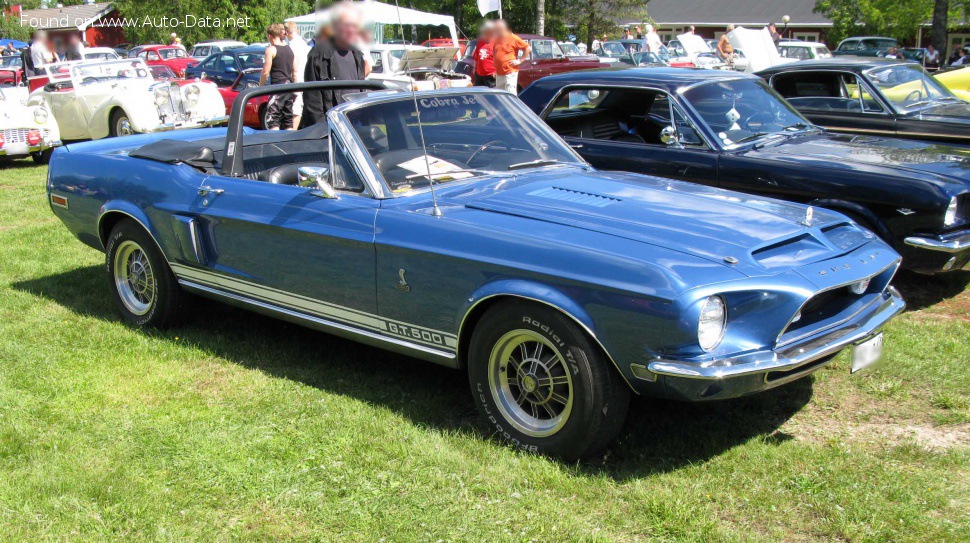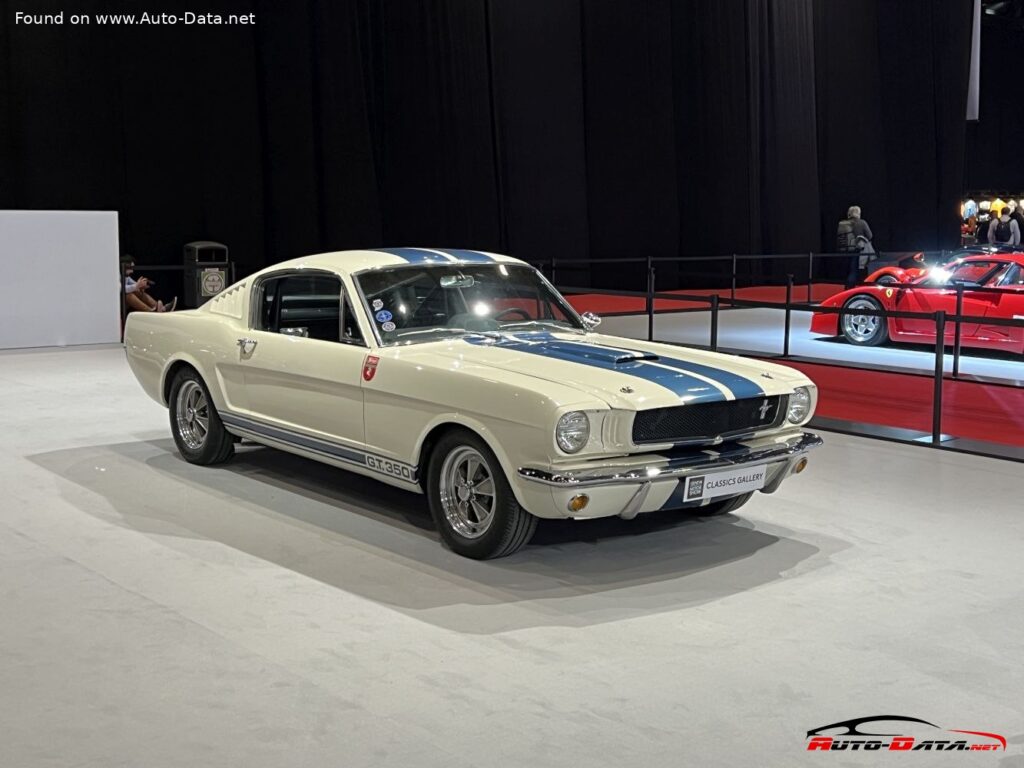
The 1969-1970 Ford Shelby I GT 350 5.8 V8 (294 Hp) Automatic: A Grand Touring Muscle Car Icon
The Ford Shelby GT 350, particularly the model produced between 1969 and 1970, represents a pivotal moment in American automotive history. As part of the revered Shelby I generation, this vehicle embodies the zenith of the muscle car era, blending raw American power with a distinctive performance pedigree. The Ford Shelby I GT 350 5.8 V8 (294 Hp) Automatic was a sophisticated evolution of Carroll Shelby’s original vision for a race-bred Mustang, transitioning into a more refined, yet still ferociously capable, grand touring machine. Produced for a limited two-year run, this generation marked the final iteration of Shelby American’s direct involvement with the Mustang before the program was taken in-house by Ford. It stood as a powerful, stylish coupe designed to dominate both the street and the drag strip, offering an intoxicating blend of performance and presence.
Engine and Performance of the Ford Shelby I GT 350 5.8 V8 (294 Hp) Automatic
At the heart of the 1969-1970 Ford Shelby GT 350 lay a formidable 5.8-liter (351 cubic inch) V8 engine, a powerplant synonymous with American muscle. This naturally aspirated, carbureted engine was engineered to deliver robust performance, producing a potent 294 horsepower at 4800 rpm. Its impressive torque output of 385.01 lb.-ft. (522 Nm) at a relatively low 3200 rpm ensured exhilarating acceleration and effortless cruising, characteristic of the era’s big-block-like performance in a smaller package. The engine’s layout was front-longitudinal, driving the rear wheels, a classic configuration for performance cars of the period, providing excellent weight distribution for straight-line acceleration.
The V8 featured an overhead valve design with two valves per cylinder, a common and reliable setup. With a compression ratio of 10.7:1, the engine was tuned for premium gasoline, extracting maximum power from its displacement. The bore and stroke dimensions of 4 inches and 3.5 inches, respectively, indicated a slightly oversquare design, favoring higher revs and horsepower. Mated to a 3-speed automatic transmission, this powertrain offered a smooth yet decisive power delivery, making the GT 350 accessible to a wider range of drivers who desired performance without the constant shifting of a manual gearbox. This combination made the GT 350 a formidable competitor, capable of delivering thrilling performance with a distinctive V8 rumble. The vehicle’s weight-to-power ratio of 5.6 kg/Hp (180 Hp/tonne) underscored its performance credentials, promising brisk acceleration for its 3600.15 lbs (1633 kg) curb weight.
Design and Features
The 1969-1970 Ford Shelby GT 350 distinguished itself with a unique and aggressive design that set it apart from standard Mustangs. As a two-door coupe with four seats, it maintained a sporty profile while offering practical seating for four. The styling was heavily influenced by Shelby American’s racing heritage, incorporating numerous functional and aesthetic enhancements. These included a distinctive front fascia with a large grille opening, prominent air scoops on the hood and fenders, and a rear spoiler, all contributing to its iconic muscle car aesthetic. The car’s dimensions—185.98 inches (4724 mm) in length, 71.3 inches (1811 mm) in width, and 51.3 inches (1303 mm) in height—gave it a substantial and imposing presence on the road.
The wheelbase of 107.99 inches (2743 mm) provided a stable platform for high-speed driving, while the identical front and rear track widths of 58.5 inches (1486 mm) contributed to balanced handling. The interior, though focused on performance, offered a comfortable and driver-centric environment, typical of American cars of the era. Features like full instrumentation and bucket seats were standard, emphasizing the car’s sporting intent. Safety features, while rudimentary by modern standards, included items like front disc brakes and a robust chassis. The drag coefficient of 0.47, while high by today’s aerodynamic standards, was typical for a muscle car of the late 1960s, where raw power and visual aggression often took precedence over sleek airflow.
Technical Specifications
| Category | Specification | Value |
|---|---|---|
General Information |
||
| Brand | Ford | |
| Model | Shelby | |
| Generation | Shelby I | |
| Type (Engine) | GT 350 5.8 V8 (294 Hp) Automatic | |
| Start of production | 1969 year | |
| End of production | 1970 year | |
| Powertrain Architecture | Internal Combustion engine | |
| Body type | Coupe | |
| Seats | 4 | |
| Doors | 2 | |
Performance Specs |
||
| Fuel Type | Petrol (Gasoline) | |
| Power | 294 Hp @ 4800 rpm | |
| Power per liter | 51 Hp/l | |
| Torque | 522 Nm (385.01 lb.-ft.) @ 3200 rpm | |
| Weight-to-power ratio | 5.6 kg/Hp, 180 Hp/tonne | |
| Weight-to-torque ratio | 3.1 kg/Nm, 319.7 Nm/tonne | |
Engine Specs |
||
| Engine layout | Front, Longitudinal | |
| Engine displacement | 5766 cm3 (351.86 cu. in.) | |
| Number of cylinders | 8 | |
| Engine configuration | V-engine | |
| Cylinder Bore | 101.6 mm (4 in.) | |
| Piston Stroke | 88.9 mm (3.5 in.) | |
| Compression ratio | 10.7:1 | |
| Number of valves per cylinder | 2 | |
| Fuel injection system | Carburetor | |
| Engine aspiration | Naturally aspirated engine | |
Space, Volume and Weights |
||
| Kerb Weight | 1633 kg (3600.15 lbs.) | |
| Fuel tank capacity | 76 l (20.08 US gal) | |
Dimensions |
||
| Length | 4724 mm (185.98 in.) | |
| Width | 1811 mm (71.3 in.) | |
| Height | 1303 mm (51.3 in.) | |
| Wheelbase | 2743 mm (107.99 in.) | |
| Front track | 1486 mm (58.5 in.) | |
| Rear (Back) track | 1486 mm (58.5 in.) | |
| Drag coefficient (Cd) | 0.47 | |
| Minimum turning circle (turning diameter) | 11.46 m (37.6 ft.) | |
Drivetrain, Brakes and Suspension Specs |
||
| Drivetrain Architecture | The Internal combustion engine (ICE) drives the rear wheels of the vehicle. | |
| Drive wheel | Rear wheel drive | |
| Number of gears and type of gearbox | 3 gears, automatic transmission | |
| Front brakes | Disc | |
| Rear brakes | Disc | |
Legacy and Market Impact
The 1969-1970 Ford Shelby GT 350 holds a significant place in the annals of automotive history, serving as a testament to the golden age of American muscle cars. It represented the culmination of Carroll Shelby’s collaboration with Ford on the Mustang platform, evolving from a raw, track-focused machine into a more refined, yet still incredibly potent, performance coupe. By 1969, the GT 350 had matured, offering a balance of high performance and grand touring comfort that appealed to a broader audience.
In its primary market, the United States, the GT 350 faced stiff competition from other iconic muscle cars of the era. Rivals included the Chevrolet Camaro Z/28, Pontiac Firebird Trans Am, Plymouth Barracuda, and Dodge Challenger. Each offered its own blend of styling and performance, but the Shelby GT 350 stood out with its unique heritage and distinct Shelby-specific modifications. Its powerful 351 cubic inch V8, combined with an automatic transmission, made it a formidable contender on both the street and the drag strip, embodying the spirit of American performance.
The historical significance of the Ford Shelby I GT 350 5.8 V8 (294 Hp) Automatic cannot be overstated. It was one of the last true Shelby-built Mustangs, preceding Ford’s full takeover of the Shelby program. This makes the 1969-1970 models particularly sought after by collectors and enthusiasts today. Its reputation as a high-performance icon endures, celebrated for its aggressive styling, powerful engine, and the legendary name of Carroll Shelby. The GT 350 not only cemented the Mustang’s place as a performance leader but also contributed significantly to the mystique and allure of the entire muscle car segment. Its legacy continues to influence modern performance vehicles, proving that a blend of power, style, and heritage creates an enduring automotive legend.