Introduction to the Ford Shelby I GT 500 7.0 V8 (340 Hp)
The Ford Shelby I GT 500 7.0 V8 (340 Hp) represents the pinnacle of American muscle car engineering and collaboration between Ford Motor Company and legendary racer Carroll Shelby during the late 1960s. Produced for a brief but impactful period between 1969 and 1970, this vehicle belongs to the first generation of Shelby Mustangs, specifically the “Shelby I” designation. It epitomized the era’s obsession with raw power, aggressive styling, and a direct connection to racing heritage. Positioned at the top of the Mustang performance hierarchy, the GT 500 was designed not just to compete, but to dominate, offering a potent blend of street performance and track-ready capabilities in a distinctive coupe package. Its legacy continues to resonate with automotive enthusiasts and collectors, symbolizing a golden age of American automotive performance.
The Heart of the Beast: Engine & Performance of the Ford Shelby I GT 500 7.0 V8 (340 Hp)
At the core of the Ford Shelby I GT 500 7.0 V8 (340 Hp)‘s fearsome reputation was its massive 7.0-liter (426.98 cubic inch) V8 engine. This naturally aspirated powerhouse, mounted longitudinally in the front, was a direct descendant of Ford’s formidable big-block engines, renowned for their immense torque and durability. With an impressive output of 340 horsepower at 5200 rpm, the GT 500 was built for straight-line acceleration and exhilarating quarter-mile runs. More importantly, its torque figure of 440.32 lb-ft (597 Nm) at a relatively low 3400 rpm provided instant, brutal acceleration from virtually any speed, a hallmark of classic American muscle.
The engine’s configuration featured an 8-cylinder V-layout with two valves per cylinder, fed by a robust carburetor fuel injection system—a standard for high-performance engines of its time. A compression ratio of 10.6:1 ensured efficient combustion and maximized power delivery. This potent engine was paired exclusively with a rugged 4-speed manual transmission, offering drivers direct control over the formidable powerband and enhancing the car’s engaging driving experience. With a curb weight of 3849.27 pounds, the GT 500 boasted a power-to-weight ratio of 194.7 horsepower per tonne (5.1 kg/Hp) and a torque-to-weight ratio of 341.9 Nm per tonne (2.9 kg/Nm), translating into blistering performance for its era. The vehicle’s powertrain architecture, driving the rear wheels, perfectly aligned with the traditional muscle car formula, emphasizing power and driver involvement.
Design & Features: The Iconic Shelby Coupe
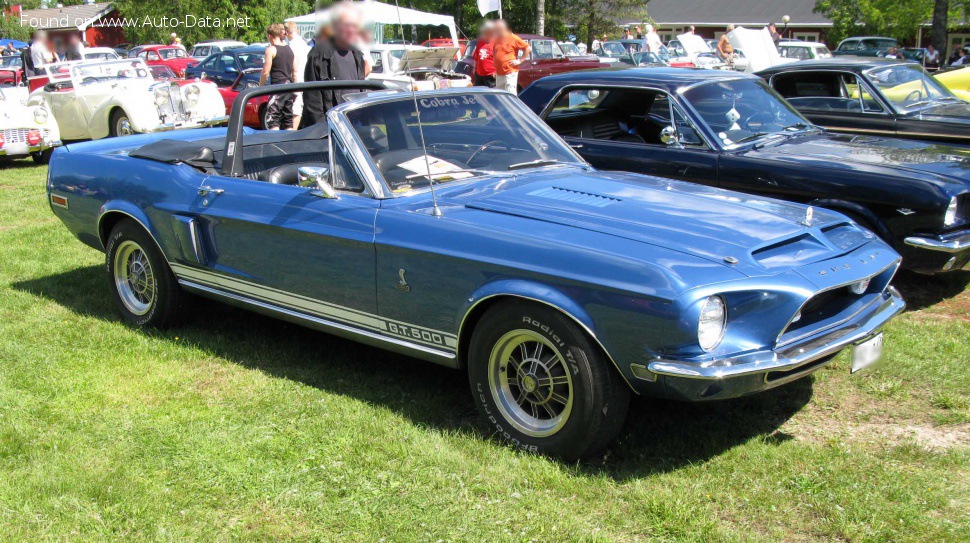
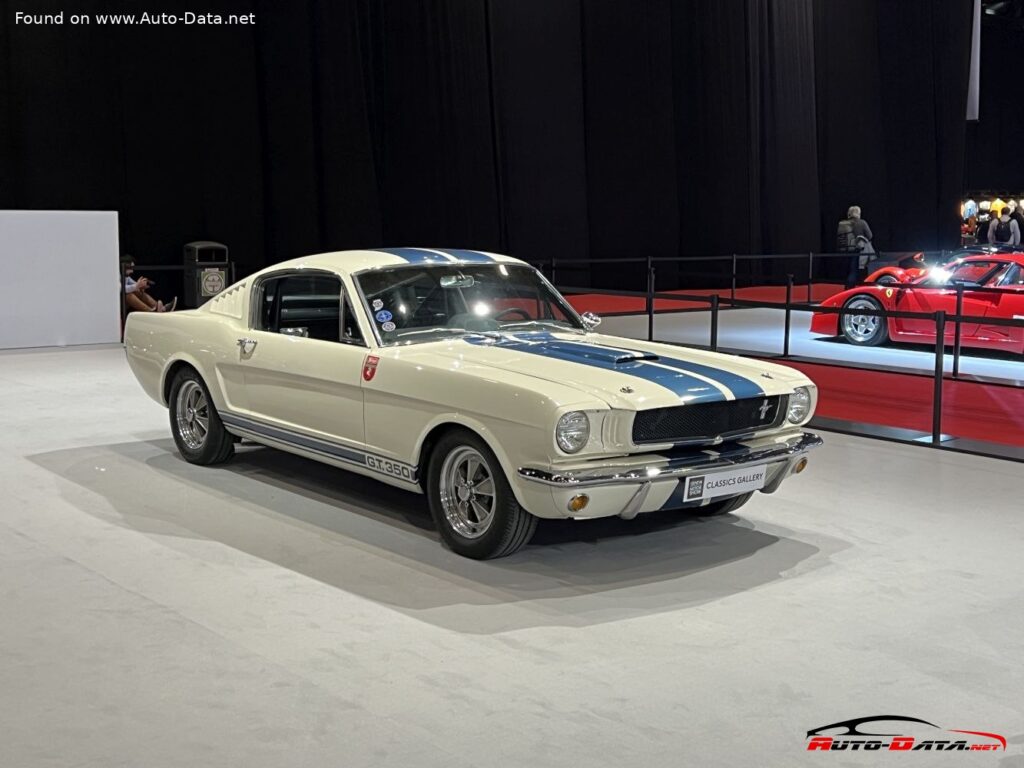
The 1969-1970 Ford Shelby I GT 500 7.0 V8 (340 Hp) was more than just a powerful engine; it was a visual statement. Built on the iconic Mustang platform, Shelby’s modifications transformed it into an even more aggressive and distinctive machine. The body type was a classic 2-door coupe, designed to accommodate four occupants, albeit with the rear seats being more suitable for occasional use or smaller passengers. Its dimensions—185.98 inches in length, 71.3 inches in width, and 51.3 inches in height, with a wheelbase of 107.99 inches—gave it a substantial and imposing presence on the road.
Distinctive design elements included a unique front fascia with a prominent grille and integrated fog lamps, functional hood scoops for engine cooling, side scoops for brake cooling, and a fiberglass decklid with an integrated spoiler. These features were not merely aesthetic; they were functional elements born from Shelby’s racing philosophy. The aggressive styling was complemented by racing stripes and prominent “GT 500” badging, leaving no doubt about the car’s performance intentions. For its time, the inclusion of disc brakes on both the front and rear wheels was a significant safety and performance feature, offering superior stopping power compared to the drum brakes still prevalent on many contemporary vehicles. The interior maintained a sporty yet comfortable ambiance, often featuring special Shelby gauges, unique trim, and high-back bucket seats that provided better support during spirited driving. Even the drag coefficient of 0.47, while high by modern standards, was characteristic of the aerodynamic understanding and design priorities of the late 1960s.
Technical Specifications: Ford Shelby I GT 500 7.0 V8 (340 Hp)
| Category | Specification |
|---|---|
| Brand | Ford |
| Model | Shelby I GT 500 |
| Generation | Shelby I |
| Type (Engine) | GT 500 7.0 V8 (340 Hp) |
| Start of Production | 1969 year |
| End of Production | 1970 year |
| Powertrain Architecture | Internal Combustion engine |
| Body type | Coupe |
| Seats | 4 |
| Doors | 2 |
| Performance Specs | |
| Fuel Type | Petrol (Gasoline) |
| Weight-to-power ratio | 5.1 kg/Hp, 194.7 Hp/tonne |
| Weight-to-torque ratio | 2.9 kg/Nm, 341.9 Nm/tonne |
| Power | 340 Hp @ 5200 rpm |
| Power per liter | 48.6 Hp/l |
| Torque | 597 Nm @ 3400 rpm (440.32 lb-ft @ 3400 rpm) |
| Engine layout | Front, Longitudinal |
| Engine displacement | 6997 cm3 (426.98 cu. in.) |
| Number of cylinders | 8 |
| Engine configuration | V-engine |
| Cylinder Bore | 104.9 mm (4.13 in.) |
| Piston Stroke | 101.19 mm (3.98 in.) |
| Compression ratio | 10.6:1 |
| Number of valves per cylinder | 2 |
| Fuel injection system | Carburettor |
| Engine aspiration | Naturally aspirated engine |
| Space, Volume and Weights | |
| Kerb Weight | 1746 kg (3849.27 lbs) |
| Fuel tank capacity | 76 l (20.08 US gal) |
| Dimensions | |
| Length | 4724 mm (185.98 in.) |
| Width | 1811 mm (71.3 in.) |
| Height | 1303 mm (51.3 in.) |
| Wheelbase | 2743 mm (107.99 in.) |
| Front track | 1486 mm (58.5 in.) |
| Rear (Back) track | 1486 mm (58.5 in.) |
| Drag coefficient (Cd) | 0.47 |
| Minimum turning circle | 11.46 m (37.6 ft) |
| Drivetrain, Brakes and Suspension Specs | |
| Drivetrain Architecture | The Internal combustion engine (ICE) drives the rear wheels of the vehicle. |
| Drive wheel | Rear wheel drive |
| Number of gears and type of gearbox | 4 gears, manual transmission |
| Front brakes | Disc |
| Rear brakes | Disc |
Legacy & Market Impact of the Ford Shelby I GT 500 7.0 V8 (340 Hp)
The Ford Shelby I GT 500 7.0 V8 (340 Hp) holds an indelible place in automotive history as one of the most iconic and desirable American muscle cars. Its short production run from 1969 to 1970 marked the culmination of the original Shelby Mustang era, before the partnership between Ford and Carroll Shelby underwent significant changes. The GT 500 was not just a car; it was a symbol of an era where horsepower was king, and performance was measured in raw, visceral terms.
In its primary market, the United States, the GT 500 faced fierce competition from other legendary muscle machines. Rivals included the Chevrolet Camaro Z/28 and ZL1, Pontiac GTO Judge, Plymouth Hemi ‘Cuda, and Dodge Charger R/T. What set the Shelby GT 500 apart was its unique blend of Mustang heritage, Shelby’s racing pedigree, and its distinctive, aggressive styling that screamed performance. While other manufacturers focused solely on brute force, Shelby brought a touch of refinement and track-proven engineering to the muscle car formula, including advanced features like front and rear disc brakes that were ahead of many competitors.
The historical significance of the GT 500 is profound. It represents a period when American automakers pushed the boundaries of performance, creating vehicles that captured the imagination of a generation. Today, the 1969-1970 Shelby GT 500 is highly sought after by collectors and enthusiasts worldwide. Its reputation for raw power, distinctive design, and limited production numbers ensures its status as a blue-chip classic. It continues to influence modern performance car design, and its values in the collector market reflect its enduring appeal and status as a true automotive icon. The rumble of its 7.0-liter V8, the unmistakable lines of its modified Mustang body, and its storied connection to Carroll Shelby cement its legacy as a pivotal vehicle in the annals of American automotive excellence.