The Ford Shelby I GT 500: A Legend of American Muscle
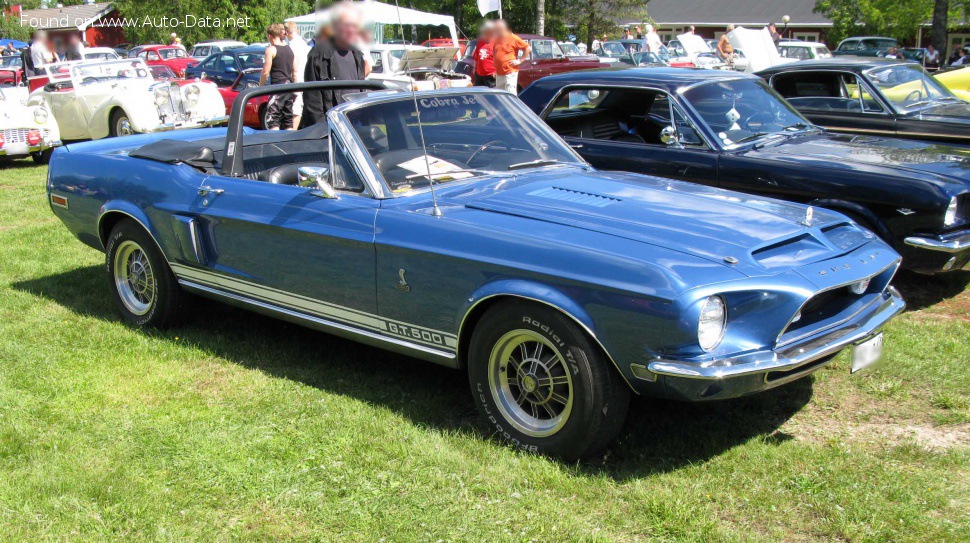
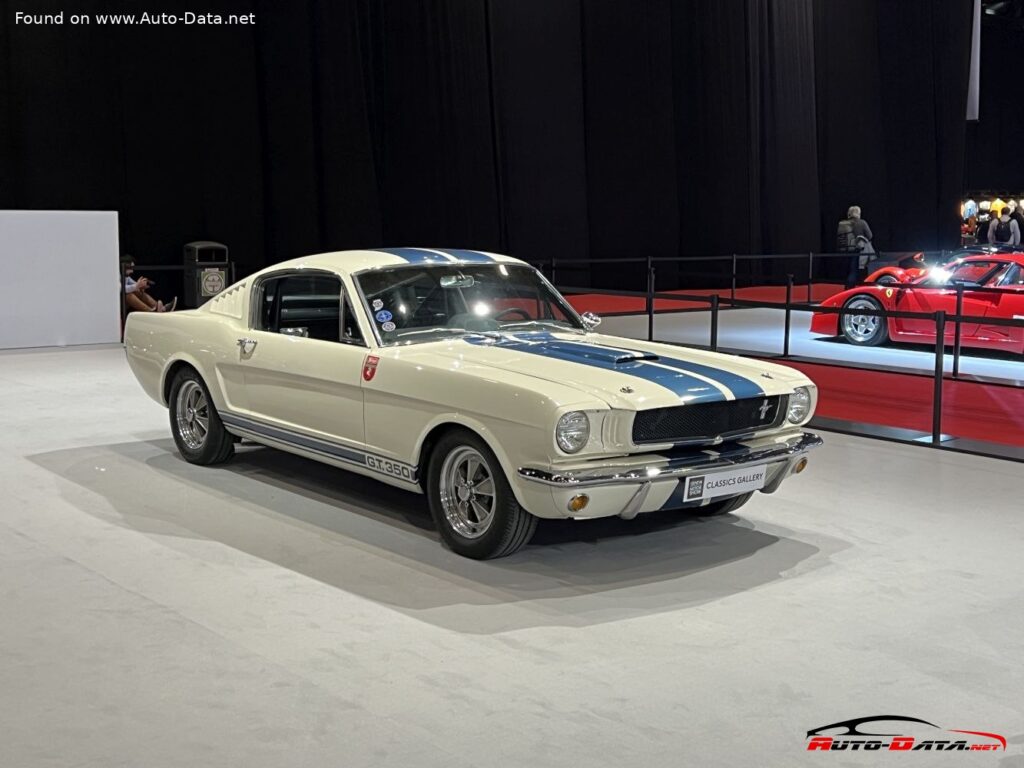
The Ford Shelby I GT 500, produced for a brief but impactful period between 1969 and 1970, stands as an undisputed icon of American automotive prowess. Representing the pinnacle of Carroll Shelby’s collaboration with Ford on the Mustang platform, this particular generation, often referred to as the Shelby GT500, embodied raw power, distinctive styling, and a grand touring ambition. Positioned at the upper echelon of the burgeoning muscle car segment, the 1969-1970 Shelby GT500 was designed not just for straight-line acceleration but also aimed to offer a more refined, albeit still intensely powerful, driving experience compared to its track-focused GT350 sibling. It was a testament to the era’s fascination with large displacement engines and aggressive aesthetics, making it a highly coveted classic today.
Engineering the Beast: The Powertrain of the Ford Shelby I GT 500
Engine and Performance
At the heart of the Ford Shelby I GT 500 was a formidable 7.0-liter (6997 cm3 or 427 cubic inches) V8 engine, a powerplant synonymous with American muscle. This naturally aspirated, front-longitudinal engine featured a classic V-engine configuration with eight cylinders, each equipped with two valves, for a total of 16 valves. Fuel delivery was handled by a robust carburetor system, a standard for high-performance vehicles of its time, ensuring a direct and potent fuel-air mixture to ignite the massive cylinders.
This colossal engine was rated at a commanding 340 horsepower at 5200 rpm, translating to a power-per-liter output of 48.6 Hp/l. More impressively, it generated a staggering 440.32 lb.-ft. of torque at a relatively low 3400 rpm. This immense torque figure was crucial for the car’s legendary off-the-line acceleration and effortless cruising capabilities, epitomizing the “big block” philosophy of the era. The power was channeled to the rear wheels through a robust 3-speed automatic transmission, a common choice for cars intended to combine performance with a degree of driving ease, especially in the American market. The powertrain architecture, driving the rear wheels, was the quintessential setup for a performance car of the late 1960s, delivering that characteristic muscle car feel. With a curb weight of 3849.27 lbs., the GT500 boasted a weight-to-power ratio of 5.1 kg/Hp (194.7 Hp/tonne) and a weight-to-torque ratio of 2.9 kg/Nm (341.9 Nm/tonne), indicating its impressive power delivery relative to its substantial mass.
Iconic Form: Design and Features of the Ford Shelby I GT 500
Design and Features
The 1969-1970 Ford Shelby I GT 500 was instantly recognizable, building upon the already aggressive lines of the Ford Mustang but adding unique Shelby-specific enhancements. It was offered exclusively as a 2-door coupe, providing seating for four occupants. The car’s dimensions were substantial for a coupe, measuring 185.98 inches in length, 71.3 inches in width, and 51.3 inches in height, with a generous wheelbase of 107.99 inches. These proportions contributed to its imposing road presence and stable ride.
Distinctive styling cues included a unique front fascia with a prominent grille and integrated driving lights, a fiberglass hood with functional air scoops, side scoops for brake cooling, and a ducktail spoiler integrated into the trunk lid. These elements were not merely aesthetic; they contributed to the car’s performance image and, in some cases, its aerodynamic function, despite a drag coefficient (Cd) of 0.47—a figure typical for performance cars of its time, prioritizing downforce and aggressive styling over sleek aerodynamic efficiency.
Underneath the striking bodywork, the GT500 featured a sophisticated (for its era) braking system. Both the front and rear wheels were equipped with disc brakes, a significant upgrade over drum brakes and a testament to Shelby’s commitment to performance and safety. This advanced braking capability was crucial for reining in the immense power of the 7.0-liter V8. The substantial front and rear track widths of 58.5 inches each, combined with a minimum turning circle of 37.6 feet, hinted at its capable handling characteristics, designed to manage its weight and power effectively. The interior, while driver-focused, also offered amenities suitable for a grand tourer, including comfortable bucket seats and a full array of gauges to monitor the vehicle’s vitals.
Technical Specifications: Ford Shelby I GT 500 7.0 V8 (340 Hp) Automatic
| Category | Specification | Value |
|---|---|---|
General Information |
||
| Brand | Ford | |
| Model | Shelby | |
| Generation | Shelby I | |
| Type (Engine) | GT 500 7.0 V8 (340 Hp) Automatic | |
| Start of production | 1969 year | |
| End of production | 1970 year | |
| Powertrain Architecture | Internal Combustion engine | |
| Body type | Coupe | |
| Seats | 4 | |
| Doors | 2 | |
Performance Specs |
||
| Fuel Type | Petrol (Gasoline) | |
| Weight-to-power ratio | 5.1 kg/Hp (194.7 Hp/tonne) | |
| Weight-to-torque ratio | 2.9 kg/Nm (341.9 Nm/tonne) | |
Engine Specs |
||
| Power | 340 Hp @ 5200 rpm | |
| Power per liter | 48.6 Hp/l | |
| Torque | 597 Nm @ 3400 rpm (440.32 lb.-ft. @ 3400 rpm) | |
| Engine layout | Front, Longitudinal | |
| Engine displacement | 6997 cm3 (426.98 cu. in.) | |
| Number of cylinders | 8 | |
| Engine configuration | V-engine | |
| Cylinder Bore | 104.9 mm (4.13 in.) | |
| Piston Stroke | 101.19 mm (3.98 in.) | |
| Compression ratio | 10.6:1 | |
| Number of valves per cylinder | 2 | |
| Fuel injection system | Carburetor | |
| Engine aspiration | Naturally aspirated engine | |
Space, Volume and Weights |
||
| Kerb Weight | 1746 kg (3849.27 lbs.) | |
| Fuel tank capacity | 76 l (20.08 US gal | 16.72 UK gal) | |
Dimensions |
||
| Length | 4724 mm (185.98 in.) | |
| Width | 1811 mm (71.3 in.) | |
| Height | 1303 mm (51.3 in.) | |
| Wheelbase | 2743 mm (107.99 in.) | |
| Front track | 1486 mm (58.5 in.) | |
| Rear (Back) track | 1486 mm (58.5 in.) | |
| Drag coefficient (Cd) | 0.47 | |
| Minimum turning circle (turning diameter) | 11.46 m (37.6 ft.) | |
Drivetrain, Brakes and Suspension Specs |
||
| Drivetrain Architecture | The Internal combustion engine (ICE) drives the rear wheels of the vehicle. | |
| Drive wheel | Rear wheel drive | |
| Number of gears and type of gearbox | 3 gears, automatic transmission | |
| Front brakes | Disc | |
| Rear brakes | Disc | |
Legacy and Market Impact
The 1969-1970 Ford Shelby I GT 500 holds a revered place in automotive history, particularly within the pantheon of American muscle cars. Its short production run, a mere two years, signifies its exclusivity and the end of an era for the pure, unadulterated muscle car before stricter emissions regulations began to take hold. Carroll Shelby’s touch transformed the already potent Mustang into something truly extraordinary, blending high performance with a distinctive, aggressive aesthetic that set it apart from its contemporaries.
In its primary market, the United States, the GT500 competed fiercely with other titans of the muscle car wars. Its rivals included the Chevrolet Camaro Z/28 and SS models, the Pontiac GTO, the Plymouth Barracuda, and the Dodge Challenger. What distinguished the GT500 was its unique blend of raw power from its massive 427 cubic inch V8 and a more refined, grand touring demeanor compared to some of its more stripped-down, drag-strip-focused competitors. It offered a driver a potent combination of straight-line speed and a more comfortable, albeit still thrilling, experience over longer distances.
The historical significance of the Ford Shelby I GT 500 cannot be overstated. It represents the culmination of Shelby American’s direct involvement with the Mustang program, before Ford took over in-house production of the Shelby models. This makes the 1969-1970 models particularly special, often considered the last “true” Shelby Mustangs by purists. Its impact on automotive culture is profound; it solidified the image of the Mustang as a performance icon and cemented Carroll Shelby’s legendary status as a builder of high-performance machines. Today, these vehicles are highly sought-after collector’s items, fetching significant prices at auction. Their enduring appeal lies not just in their rarity and performance, but in the nostalgia they evoke for a golden age of American horsepower, where big engines and bold designs ruled the road. The Ford Shelby I GT 500 remains a powerful symbol of American automotive engineering and a testament to an era of unrestrained passion for performance.