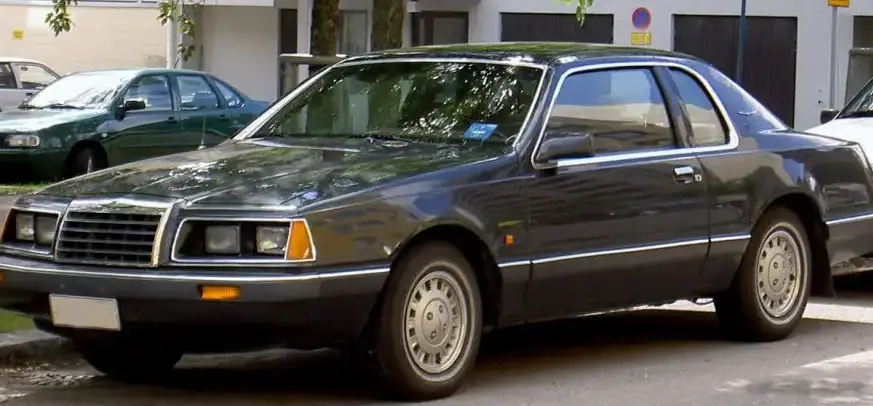
The Ford Thunderbird (Aero Birds), produced between 1983 and 1988, represented a significant departure for the iconic American personal luxury car. This generation, internally designated the tenth, aimed to modernize the Thunderbird and appeal to a broader audience. While various engine options were available, the 5.0-liter Windsor V8 producing 140 horsepower became a popular choice, offering a balance of performance and affordability. This variant occupied a mid-range position within the lineup, slotting above the smaller displacement engines and below the higher-output, fuel-injected versions. It was intended to provide a more spirited driving experience than the base models while remaining accessible to a wider range of buyers.
Technical Specifications
| Brand | Ford |
| Model | Thunderbird |
| Generation | Thunderbird (Aero Birds) |
| Engine Type | 5.0 Windsor V8 (140 Hp) |
| Production Years | 1983 – 1988 |
| Powertrain Architecture | Internal Combustion Engine |
| Body Type | Coupe |
| Seats | 5 |
| Doors | 2 |
| Fuel Type | Petrol (Gasoline) |
| Maximum Speed | 235 km/h (146.02 mph) |
| Power | 140 Hp |
| Engine Aspiration | Naturally Aspirated |
| Length | 5133 mm (202.09 in) |
| Width | 1806 mm (71.1 in) |
| Height | 1356 mm (53.39 in) |
| Wheelbase | 2647 mm (104.21 in) |
| Drivetrain | Rear Wheel Drive |
| Gearbox | 5 gears, manual transmission |
Powertrain & Engine Architecture
The heart of this Thunderbird variant is the 5.0-liter (302 cubic inch) Windsor V8 engine. This engine, a staple of Ford performance for decades, is a pushrod engine with a cast iron block and aluminum cylinder heads. The 140 horsepower output was achieved through a two-barrel carburetor, a relatively simple fuel delivery system for the time. The engine featured hydraulic lifters, simplifying valve adjustment and maintenance. While not the most technologically advanced engine available in 1983-1988, the Windsor V8 was known for its durability and relatively easy repairability. The five-speed manual transmission, a Borg-Warner T-5, was a key component of this package, offering drivers more control over the engine’s power delivery compared to the available three-speed automatic. The transmission’s gear ratios were tuned for a balance of acceleration and highway cruising, with a relatively deep first gear for quick starts and an overdrive fifth gear for fuel efficiency.
Driving Characteristics
The 140 hp 5.0-liter Thunderbird offered a noticeable step up in performance compared to the base engine options. While not a sports car, it provided adequate acceleration for merging onto highways and passing other vehicles. The manual transmission allowed drivers to fully exploit the engine’s torque, resulting in a more engaging driving experience. The rear-wheel-drive configuration contributed to a balanced feel, although the Thunderbird’s relatively heavy weight (around 3,500 lbs) meant it wasn’t particularly nimble. Compared to the higher-output, fuel-injected 5.0-liter versions, this carburetor-equipped engine felt less responsive and produced less overall power. However, the simpler fuel system also meant fewer potential points of failure. The five-speed manual transmission, while a plus for enthusiasts, required more driver involvement than the automatic options.
Equipment & Trim Levels
The 1983-1988 Thunderbird offered a range of trim levels, with the 5.0-liter manual combination typically found in the mid-range LX or GLX trims. Standard features included cloth upholstery, a basic AM/FM radio, and power steering. Optional extras included air conditioning, cruise control, upgraded sound systems, and leather upholstery. The interior design was typical of the era, featuring a squared-off dashboard and comfortable, if somewhat basic, seating. The LX trim often included color-keyed carpeting and door panels, adding a touch of refinement. The GLX trim added further enhancements, such as premium sound systems and upgraded interior trim materials.
Chassis & Braking
The Thunderbird Aero Birds utilized a body-on-frame construction, a traditional American design approach. The suspension consisted of independent front suspension with coil springs and a live rear axle with leaf springs. The rear brakes were typically drum brakes, while the front brakes were disc brakes. Stabilizer bars were included at both the front and rear to reduce body roll during cornering. The steering was power-assisted, making it relatively easy to maneuver at low speeds. The suspension was tuned for a comfortable ride, prioritizing smoothness over sporty handling. The braking system, while adequate for normal driving, wasn’t particularly powerful by modern standards.
Market Reception & Comparison
The 5.0-liter Thunderbird with a manual transmission was generally well-received by automotive critics. It was praised for its combination of performance, affordability, and classic American styling. However, some critics noted that the interior was somewhat dated compared to imports. Fuel economy was reasonable for the time, averaging around 18-22 mpg in mixed driving. Compared to the V6-powered Thunderbirds, the 5.0-liter offered a significant performance advantage. However, the higher-output fuel-injected 5.0-liter versions provided even more power and responsiveness. The carburetor-equipped engine was considered more reliable and easier to maintain than the fuel-injected versions, but it also offered less refinement and performance.
Legacy
The 1983-1988 Ford Thunderbird, particularly the 5.0-liter Windsor V8 variants, has become a popular classic car among collectors and enthusiasts. The engine’s durability and relatively simple design make it a relatively easy and affordable engine to maintain. The availability of aftermarket parts and upgrades further enhances its appeal. While not as highly sought after as the fuel-injected models, the carburetor-equipped 5.0-liter Thunderbirds offer a unique blend of classic American style, performance, and affordability. Today, well-maintained examples command reasonable prices in the used car market, making them an accessible entry point into the world of classic Ford ownership. The 5.0 Windsor V8 continues to be a popular choice for engine swaps and restorations, ensuring its legacy will endure for years to come.