The Geely Atlas 2.4, equipped with a 149 horsepower engine and a six-speed automatic transmission, represents a significant step forward for the Geely brand, particularly in its home market of China. Introduced in March 2016 and continuing in production through September 2020, this variant occupied a key position in the Atlas lineup, offering a balance of practicality, comfort, and affordability within the burgeoning compact SUV segment. The Atlas, built on Geely’s dedicated SUV platform, aimed to compete with established international brands and elevate Geely’s reputation for quality and design. This specific 2.4-liter configuration was designed to appeal to families and drivers prioritizing ease of use and a comfortable driving experience over outright performance.
Technical Specifications
| Brand | Geely |
| Model | Atlas |
| Generation | Atlas |
| Type (Engine) | 2.4 (149 Hp) Automatic |
| Start of production | March, 2016 |
| End of production | September, 2020 |
| Powertrain Architecture | Internal Combustion engine |
| Body type | SUV |
| Seats | 5 |
| Doors | 5 |
| Fuel consumption (urban) | 13 l/100 km (18.1 US mpg, 21.7 UK mpg, 7.7 km/l) |
| Fuel consumption (extra urban) | 6.6 l/100 km (35.6 US mpg, 42.8 UK mpg, 15.2 km/l) |
| Fuel consumption (combined) | 8.9 l/100 km (26.4 US mpg, 31.7 UK mpg, 11.2 km/l) |
| Fuel Type | Petrol (Gasoline) |
| Maximum speed | 185 km/h (114.95 mph) |
| Emission standard | Euro 5 |
| Weight-to-power ratio | 11.6 kg/Hp, 86.4 Hp/tonne |
| Weight-to-torque ratio | 7.7 kg/Nm, 130.4 Nm/tonne |
| Power | 149 Hp @ 5300 rpm |
| Power per litre | 62.7 Hp/l |
| Torque | 225 Nm @ 3900-4400 rpm (165.95 lb.-ft. @ 3900-4400 rpm) |
| Engine layout | Front, Transverse |
| Engine Model/Code | JLD-4G24 |
| Engine displacement | 2378 cm3 (145.11 cu. in.) |
| Number of cylinders | 4 |
| Engine configuration | Inline |
| Number of valves per cylinder | 4 |
| Fuel injection system | Multi-port manifold injection |
| Engine aspiration | Naturally aspirated engine |
| Kerb Weight | 1725 kg (3802.97 lbs.) |
| Max. weight | 2025 kg (4464.36 lbs.) |
| Max load | 300 kg (661.39 lbs.) |
| Trunk (boot) space – minimum | 397 l (14.02 cu. ft.) |
| Fuel tank capacity | 60 l (15.85 US gal | 13.2 UK gal) |
| Length | 4519 mm (177.91 in.) |
| Width | 1831 mm (72.09 in.) |
| Height | 1694 mm (66.69 in.) |
| Wheelbase | 2670 mm (105.12 in.) |
| Front track | 1560 mm (61.42 in.) |
| Rear (Back) track | 1550 mm (61.02 in.) |
| Drivetrain Architecture | The Internal combustion engine (ICE) drives the front wheels of the vehicle. |
| Drive wheel | Front wheel drive |
| Number of gears and type of gearbox | 6 gears, automatic transmission |
| Front suspension | Independent type McPherson |
| Rear suspension | Independent multi-link suspension |
| Front brakes | Ventilated discs |
| Rear brakes | Ventilated discs |
| Assisting systems | ABS (Anti-lock braking system) |
| Steering type | Steering rack and pinion |
| Power steering | Electric Steering |
| Tires size | 225/60 R18 |
| Wheel rims size | 18 |
Introduction
The Geely Atlas 2.4 Automatic, launched in 2016, was a pivotal model for Geely, representing a significant upgrade in design, technology, and overall refinement compared to its predecessors. Positioned as a mainstream SUV, it aimed to attract a broad customer base seeking a comfortable, spacious, and well-equipped vehicle. The Atlas is built on Geely’s new energy vehicle (NEV) platform, though this variant utilizes a traditional internal combustion engine. It was a key component of Geely’s strategy to move upmarket and challenge established automotive manufacturers, particularly within the rapidly growing Chinese automotive market. The Atlas was a departure from Geely’s earlier, more budget-focused offerings, showcasing a more mature and sophisticated design language.
Powertrain & Engine Architecture
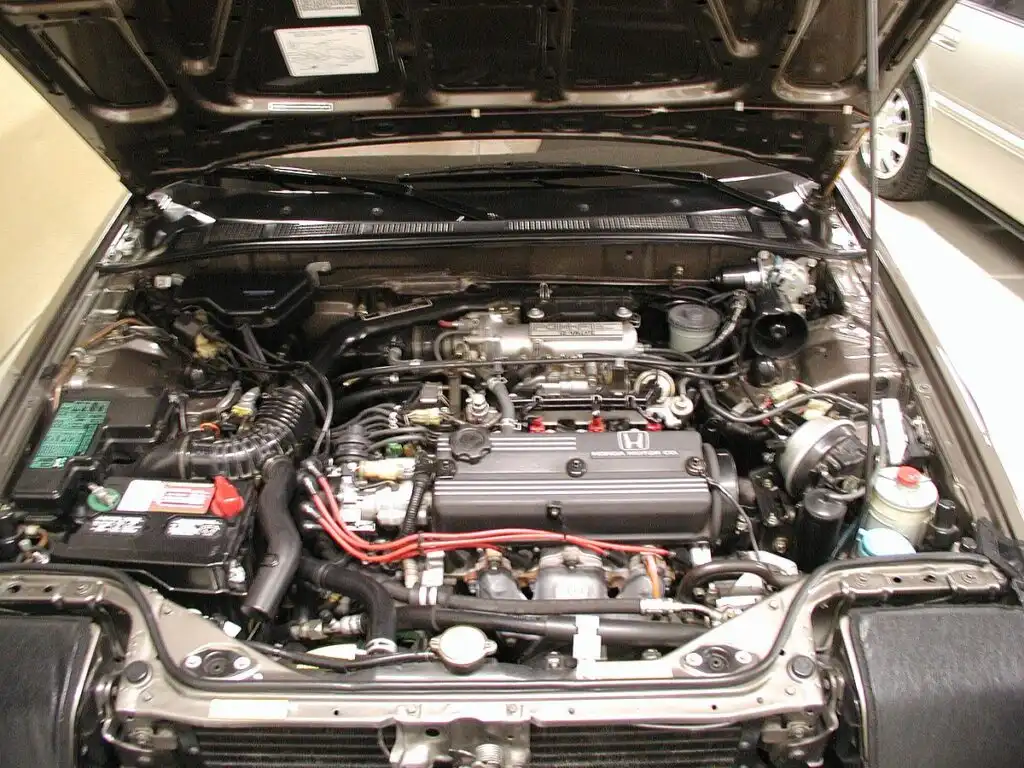
At the heart of the Atlas 2.4 Automatic lies the JLD-4G24 engine, a 2.4-liter inline-four cylinder naturally aspirated gasoline engine. This engine utilizes a multi-point fuel injection system, providing adequate fuel atomization for efficient combustion. The engine features a double overhead camshaft (DOHC) valvetrain with four valves per cylinder, optimizing airflow for improved power output. The engine produces 149 horsepower at 5300 rpm and 225 Nm (165.95 lb-ft) of torque between 3900 and 4400 rpm. Paired with this engine is a six-speed automatic transmission, chosen for its smooth shifting characteristics and ease of use. This transmission is a conventional torque converter automatic, prioritizing comfort over outright performance. The transmission’s gear ratios are tuned for fuel efficiency and relaxed cruising, rather than aggressive acceleration.
Driving Characteristics
The driving experience in the Geely Atlas 2.4 Automatic is characterized by comfort and ease. The 149 hp engine provides adequate power for everyday driving situations, but it’s not particularly sporty. Acceleration is linear and predictable, with the automatic transmission smoothly shifting through the gears. Compared to potential higher-output turbocharged variants (which were later introduced in the Atlas lineup), the 2.4-liter engine feels less responsive, especially when overtaking or climbing hills. The six-speed automatic transmission contributes to a relaxed highway cruising experience, keeping engine speeds relatively low. The front-wheel-drive configuration provides predictable handling, but it lacks the all-weather capability of an all-wheel-drive system. The suspension is tuned for comfort, absorbing bumps and imperfections in the road surface effectively.
Equipment & Trim Levels
The Geely Atlas 2.4 Automatic typically came equipped with a respectable level of standard features. These included air conditioning, power windows and locks, a basic audio system with USB connectivity, and steel wheels with wheel covers. Higher trim levels offered upgrades such as alloy wheels, a touchscreen infotainment system with Bluetooth connectivity, a rearview camera, and automatic climate control. Interior upholstery was typically cloth, with leather options available on higher trims. Safety features included ABS, airbags, and seatbelt pre-tensioners. Optional extras could include a sunroof, navigation system, and parking sensors.
Chassis & Braking
The Atlas 2.4 Automatic utilizes a McPherson strut independent suspension system at the front, providing a good balance of ride comfort and handling. The rear suspension employs an independent multi-link setup, further enhancing ride quality and stability. The braking system consists of ventilated discs on all four wheels, providing adequate stopping power for the vehicle’s weight. An Anti-lock Braking System (ABS) is standard, enhancing safety during emergency braking situations. The steering system is a rack and pinion setup with electric power steering, offering light and easy steering feel.
Market Reception & Comparison
The Geely Atlas 2.4 Automatic was generally well-received in the Chinese market, praised for its spacious interior, comfortable ride, and competitive pricing. Critics noted that the engine, while adequate, lacked the punch of some of its turbocharged competitors. Fuel economy was considered average for its class. Compared to other trims in the Atlas lineup, the 2.4-liter automatic offered a more affordable entry point, appealing to budget-conscious buyers. The 1.5-liter turbocharged variants offered better fuel economy and slightly improved performance, while the higher-spec models provided more luxurious features and a more refined driving experience.
Legacy
The Geely Atlas 2.4 Automatic played a crucial role in establishing Geely as a serious contender in the Chinese SUV market. While the model has been superseded by newer iterations of the Atlas, the 2.4-liter variant remains a relatively common sight on used car lots. The JLD-4G24 engine, while not known for exceptional reliability, has proven to be reasonably durable with proper maintenance. The Atlas 2.4 Automatic represents a significant milestone in Geely’s development, demonstrating the brand’s ability to produce a competitive and well-rounded SUV that appealed to a broad range of consumers. Its success paved the way for Geely’s continued expansion and innovation in the automotive industry.