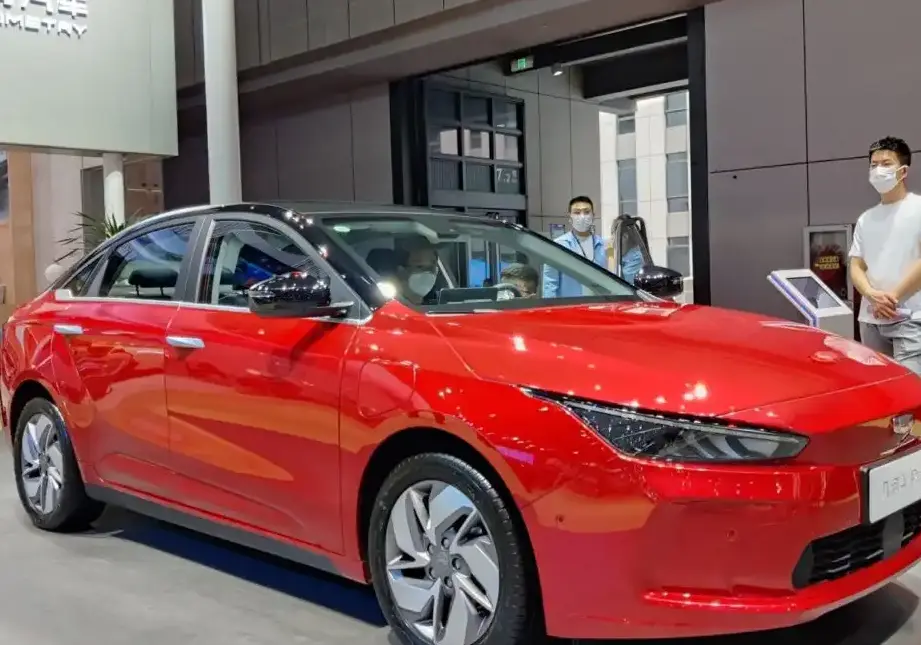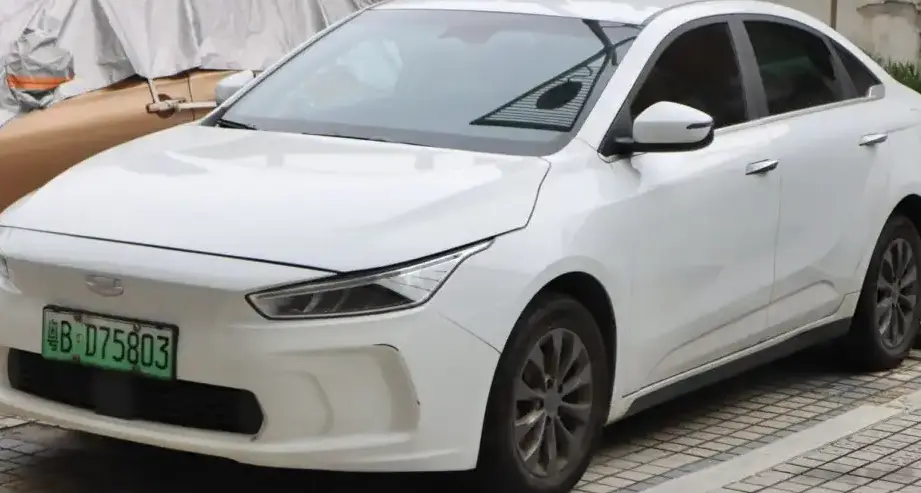
The Geometry A, produced between April 2019 and March 2021, represents Geometry’s initial foray into the burgeoning electric vehicle market. Positioned as an entry-level electric sedan, the A aimed to provide affordable, practical, and reasonably long-range transportation. It’s built upon a dedicated electric vehicle platform, showcasing a commitment to battery-electric technology. The model was primarily targeted towards the Chinese domestic market, where demand for EVs was rapidly increasing, and served as a foundational vehicle for the Geometry sub-brand of Geely Automobile.
Technical Specifications
| Brand | Geometry |
| Model | A/G6 |
| Generation | A |
| Type (Engine) | 51.9 kWh (163 Hp) Electric |
| Start of production | April, 2019 |
| End of production | March, 2021 |
| Powertrain Architecture | BEV (Electric Vehicle) |
| Body type | Sedan |
| Seats | 5 |
| Doors | 4 |
| Fuel Type | Electricity |
| Acceleration 0 – 100 km/h | 8.8 sec |
| Acceleration 0 – 62 mph | 8.8 sec |
| Acceleration 0 – 60 mph | 8.4 sec |
| Maximum speed | 150 km/h (93.21 mph) |
| Weight-to-power ratio | 10.1 kg/Hp, 98.8 Hp/tonne |
| Weight-to-torque ratio | 6.6 kg/Nm, 151.5 Nm/tonne |
| Gross battery capacity | 51.9 kWh |
| Battery technology | Lithium-ion (Li-Ion) |
| Battery location | Below the floor |
| All-electric range | 410 km (254.76 mi) |
| Electric motor power | 163 Hp |
| Electric motor Torque | 250 Nm (184.39 lb.-ft.) |
| Electric motor location | Front axle, Transverse |
| Electric motor type | Synchronous |
| System power | 163 Hp |
| System torque | 250 Nm (184.39 lb.-ft.) |
| Kerb Weight | 1650 kg (3637.63 lbs.) |
| Trunk (boot) space – minimum | 430 l (15.19 cu. ft.) |
| Length | 4736 mm (186.46 in.) |
| Width | 1804 mm (71.02 in.) |
| Height | 1503 mm (59.17 in.) |
| Wheelbase | 2700 mm (106.3 in.) |
| Ride height (ground clearance) | 120 mm (4.72 in.) |
| Drivetrain Architecture | One electric motor drives the front wheels. |
| Drive wheel | Front wheel drive |
| Number of gears and type of gearbox | 1 gears, automatic transmission |
| Front suspension | Independent type McPherson |
| Rear suspension | Torsion |
| Front brakes | Ventilated discs |
| Rear brakes | Disc |
| Assisting systems | ABS (Anti-lock braking system) |
| Steering type | Steering rack and pinion |
| Power steering | Electric Steering |
| Tires size | 205/60 R16; 195/50 R18 |
| Wheel rims size | 16; 18 |
Powertrain & Engine Architecture
The Geometry A utilizes a single, front-mounted synchronous electric motor producing 163 horsepower and 250 Nm (184.39 lb.-ft.) of torque. The motor is powered by a 51.9 kWh lithium-ion battery pack located under the vehicle floor, contributing to a lower center of gravity and improved handling. The battery pack employs a liquid cooling system to maintain optimal operating temperatures and prolong its lifespan. The vehicle features a single-speed automatic transmission, typical of most battery electric vehicles, simplifying the driving experience. The power electronics and motor control unit are integrated into the powertrain to efficiently manage energy flow and deliver smooth acceleration.
Driving Characteristics
The Geometry A offers a comfortable and predictable driving experience. Acceleration from 0 to 60 mph takes approximately 8.4 seconds, which is adequate for urban and highway driving. The instant torque delivery characteristic of electric motors provides brisk acceleration at lower speeds. The single-speed transmission means there are no gear changes, resulting in a seamless power delivery. While not a performance-oriented vehicle, the A provides sufficient power for everyday commuting and errands. The front-wheel-drive configuration offers decent traction in most conditions, but can exhibit some torque steer under hard acceleration. The relatively low curb weight of 1650 kg (3637.63 lbs.) contributes to its agility.
Equipment & Trim Levels
The Geometry A was generally offered with a fairly standard equipment list for its price point. Standard features typically included air conditioning, power windows, power door locks, a basic infotainment system with a touchscreen display, and ABS. Higher trim levels added features such as a larger touchscreen, a rearview camera, keyless entry, and upgraded interior materials. Interior upholstery was typically cloth, with optional leatherette available on some trims. The dashboard layout was functional and straightforward, prioritizing ease of use. Optional extras included a panoramic sunroof and various driver-assistance systems.
Chassis & Braking
The Geometry A utilizes an independent McPherson strut suspension in the front and a torsion beam suspension in the rear. This setup provides a good balance between ride comfort and handling. The front brakes are ventilated discs, while the rear brakes are solid discs. ABS (Anti-lock Braking System) is standard, enhancing safety during emergency braking situations. The electric power steering provides light and precise steering feel. Tire sizes varied depending on the trim level, with 205/60 R16 and 195/50 R18 being common options. The ride height is relatively low at 120 mm (4.72 in.), contributing to the vehicle’s stability.
Market Reception & Comparison
The Geometry A was generally well-received in the Chinese market as an affordable and practical electric sedan. Critics praised its relatively long range (410 km / 254.76 mi) for its price point and its comfortable ride. However, some reviewers noted that the interior materials were somewhat basic and that the infotainment system could be improved. Compared to other electric vehicles in its class, such as the BYD Qin EV, the Geometry A offered a competitive range and price. Its fuel economy, being an EV, is significantly better than comparable gasoline-powered vehicles. Reliability reports have been generally positive, with few major issues reported.
Legacy
The Geometry A served as an important stepping stone for Geometry in establishing itself as a dedicated EV brand. While production ended in 2021, the A helped to pave the way for subsequent Geometry models. The powertrain technology and battery management system developed for the A were further refined in later vehicles. On the used car market, the Geometry A remains a relatively affordable option for those seeking an entry-level electric sedan. Its long-term reliability appears to be good, with the battery pack being the most critical component to monitor. As the EV market continues to evolve, the Geometry A represents an early example of China’s growing commitment to electric mobility.