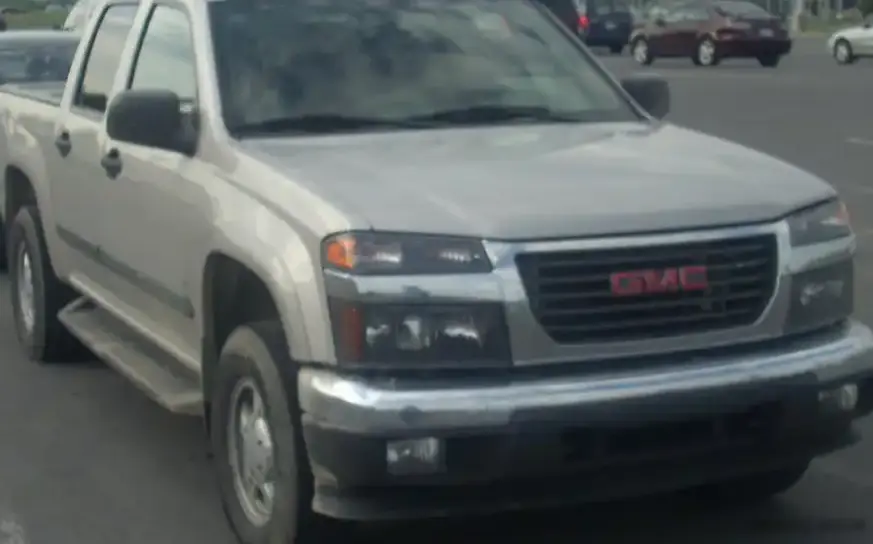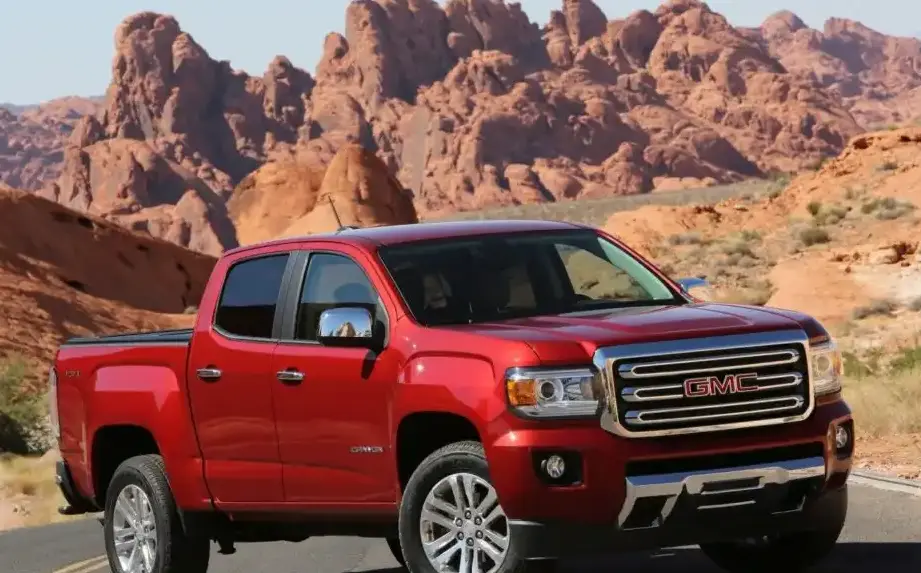
The GMC Canyon II Crew Cab, specifically the variant equipped with the 2.5-liter four-cylinder engine producing 200 horsepower, was a mid-size pickup truck produced from 2015 to 2020. Positioned as the entry-level engine option within the Canyon II lineup, it aimed to provide a balance of affordability and capability for buyers seeking a versatile truck for both work and personal use. This generation Canyon represented GMC’s return to the mid-size truck segment after a hiatus, sharing its platform with the Chevrolet Colorado. The 2.5L engine was primarily offered with a six-speed manual transmission, catering to buyers who preferred a more engaged driving experience.
Technical Specifications
| Brand | GMC |
| Model | Canyon |
| Generation | Canyon II Crew cab |
| Type (Engine) | 2.5 (200 Hp) |
| Start of production | 2015 |
| End of production | 2020 |
| Powertrain Architecture | Internal Combustion engine |
| Body type | Pick-up |
| Seats | 5 |
| Doors | 4 |
| Fuel consumption (urban) | 12.4 l/100 km (19 US mpg) |
| Fuel consumption (extra urban) | 9 l/100 km (26.1 US mpg) |
| Fuel Type | Petrol (Gasoline) |
| Weight-to-power ratio | 9 kg/Hp |
| Weight-to-torque ratio | 7 kg/Nm |
| Power | 200 Hp @ 6300 rpm |
| Power per litre | 81.4 Hp/l |
| Torque | 259 Nm @ 4400 rpm (191.03 lb.-ft. @ 4400 rpm) |
| Engine layout | Front, Longitudinal |
| Engine Model/Code | Ecotec LCV |
| Engine displacement | 2457 cm3 (149.94 cu. in.) |
| Number of cylinders | 4 |
| Engine configuration | Inline |
| Cylinder Bore | 88 mm (3.46 in.) |
| Piston Stroke | 101 mm (3.98 in.) |
| Compression ratio | 11.3:1 |
| Number of valves per cylinder | 4 |
| Fuel injection system | Direct injection |
| Engine aspiration | Naturally aspirated engine |
| Valvetrain | DOHC, CVVT |
| Engine oil capacity | 4.7 l (4.97 US qt | 4.14 UK qt) |
| Coolant | 9.1 l (9.62 US qt | 8.01 UK qt) |
| Kerb Weight | 1805 kg (3979.34 lbs.) |
| Max. weight | 2495 kg (5500.53 lbs.) |
| Max load | 690 kg (1521.19 lbs.) |
| Trunk (boot) space – maximum | 1169 l (41.28 cu. ft.) |
| Fuel tank capacity | 79.5 l (21 US gal | 17.49 UK gal) |
| Permitted trailer load with brakes (12%) | 1588 kg (3500.94 lbs.) |
| Length | 5395 mm (212.4 in.) |
| Width | 1886 mm (74.25 in.) |
| Height | 1795 mm (70.67 in.) |
| Wheelbase | 3258 mm (128.27 in.) |
| Front track | 1586 mm (62.44 in.) |
| Rear (Back) track | 1586 mm (62.44 in.) |
| Ride height (ground clearance) | 214 mm (8.43 in.) |
| Minimum turning circle (turning diameter) | 12.6 m (41.34 ft.) |
| Approach angle | 17.4° |
| Departure angle | 22.1° |
| Ramp-over (brakeover) angle | 22.0° |
| Drivetrain Architecture | Rear wheel drive |
| Drive wheel | Rear wheel drive |
| Number of gears and type of gearbox | 6 gears, manual transmission Eaton N8D |
| Front suspension | Independent coil spring |
| Rear suspension | Rigid axle suspension, Leaf spring |
| Front brakes | Disc, 310×27 mm |
| Rear brakes | Disc, 324×18 mm |
| Assisting systems | ABS (Anti-lock braking system) |
| Steering type | Steering rack and pinion |
| Power steering | Electric Steering |
| Tires size | 265/70 R16; 255/65 R17; 265/60 R18 |
| Wheel rims size | 7J x 16; 8J x 17; 8.5J x 18 |
Powertrain & Engine Architecture
The heart of this Canyon variant is the 2.5-liter Ecotec LCV inline four-cylinder engine. This engine utilizes direct fuel injection, a technology that improves fuel efficiency and power output by injecting fuel directly into the combustion chamber. The engine also features a Double Overhead Camshaft (DOHC) valvetrain with Continuously Variable Valve Timing (CVVT), further optimizing engine performance across the rev range. The engine code is a key identifier, allowing for specific parts sourcing and diagnostic procedures. The six-speed Eaton N8D manual transmission was the standard pairing for this engine, offering drivers precise control over gear selection. This transmission was chosen for its durability and relatively compact size, fitting well within the mid-size truck’s architecture.
Driving Characteristics
The 200-horsepower, 2.5-liter engine, coupled with the six-speed manual transmission, provided adequate, though not exhilarating, performance. Acceleration was reasonable for everyday driving, but hauling heavy loads or towing significantly impacted responsiveness. The manual transmission allowed drivers to maintain control and optimize engine power, especially when navigating hilly terrain. Compared to the available 3.6-liter V6 engine, the 2.5L offered less overall power and torque, resulting in slower acceleration and reduced towing capacity. However, the 2.5L’s lighter weight contributed to slightly better fuel economy and improved handling in certain situations. The gear ratios in the Eaton N8D transmission were tuned for a balance of fuel efficiency and usability, with a relatively deep first gear for starting from a stop with a load and a higher sixth gear for highway cruising.
Equipment & Trim Levels
The 2.5L Canyon typically served as the base trim level, offering a functional and affordable package. Standard features generally included air conditioning, a basic audio system, power windows and locks, and steel wheels. Interior upholstery was typically cloth, and the dashboard featured a straightforward design with easy-to-use controls. Optional extras included features like an upgraded audio system, alloy wheels, a trailer hitch, and various convenience packages. Higher trim levels, such as the SLT and Denali, were equipped with the more powerful V6 engine and offered a more luxurious interior with leather upholstery, advanced infotainment systems, and additional comfort features.
Chassis & Braking
The Canyon II utilized a body-on-frame construction, providing a robust platform for hauling and towing. The front suspension consisted of independent coil springs, offering a comfortable ride and good handling characteristics. The rear suspension employed a traditional leaf spring setup, chosen for its durability and load-carrying capacity. Braking duties were handled by disc brakes on all four wheels, with ABS (Anti-lock Braking System) as standard equipment. The 2.5L variant typically featured slightly smaller brake rotors compared to the V6 models, reflecting the lower weight and performance capabilities. Stabilizer bars were included to reduce body roll during cornering.
Market Reception & Comparison
Critics generally viewed the 2.5-liter Canyon as a competent, if somewhat underpowered, option for buyers prioritizing fuel economy and affordability. While the V6 engine was praised for its performance, the 2.5L offered a more economical alternative for those who didn’t require heavy-duty capabilities. Fuel economy figures were competitive within the mid-size truck segment, and the manual transmission was appreciated by enthusiasts. Compared to other mid-size trucks like the Toyota Tacoma and Nissan Frontier, the Canyon offered a more refined interior and a more comfortable ride, but some reviewers noted that the 2.5L engine lacked the overall power and refinement of its competitors’ offerings.
Legacy
The 2.5-liter Ecotec engine, while not known for being a powerhouse, proved to be a relatively reliable powertrain in the Canyon II. Common maintenance items included regular oil changes, spark plug replacements, and occasional sensor replacements. The manual transmission, when properly maintained, also demonstrated good durability. In the used car market, the 2.5L Canyon represents an affordable entry point into the mid-size truck segment. While it may not be the ideal choice for heavy-duty work, it remains a viable option for buyers seeking a versatile and economical truck for everyday use. Its simplicity and relatively low running costs contribute to its continued appeal among budget-conscious buyers.