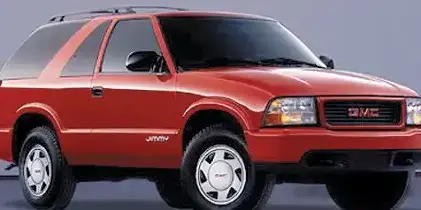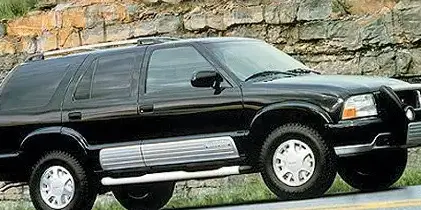
The GMC Jimmy LWB Diamond 4.3i V6 (190 Hp) Automatic, produced from 1994 to 2001, represents a significant iteration of GMC’s popular sport utility vehicle. Part of the second generation of the Jimmy (1983-2001), the “LWB” designation signifies the longer wheelbase version, offering increased interior space and cargo capacity compared to the standard model. This variant, equipped with the 4.3-liter V6 engine and a four-speed automatic transmission, was positioned as a mid-range offering, balancing affordability with respectable power and capability for families and those needing a versatile vehicle. It played a key role in GMC’s strategy to compete in the burgeoning SUV market of the 1990s, offering a rear-wheel drive platform that appealed to buyers accustomed to traditional truck-based SUVs.
Technical Specifications
| Brand | GMC |
| Model | Jimmy |
| Generation | Jimmy LWB |
| Type (Engine) | Diamond 4.3i V6 (190 Hp) Automatic |
| Start of production | 1994 |
| End of production | 2001 |
| Powertrain Architecture | Internal Combustion engine |
| Body type | SUV |
| Seats | 5 |
| Doors | 5 |
| Fuel Type | Petrol (Gasoline) |
| Weight-to-power ratio | 9.3 kg/Hp, 107.8 Hp/tonne |
| Weight-to-torque ratio | 5.2 kg/Nm, 192.3 Nm/tonne |
| Power | 190 Hp @ 4400 rpm |
| Power per litre | 44.2 Hp/l |
| Torque | 339 Nm @ 2800 rpm, 250.03 lb.-ft. @ 2800 rpm |
| Maximum engine speed | 5600 rpm |
| Engine layout | Front, Longitudinal |
| Engine Model/Code | L35 |
| Engine displacement | 4300 cm3, 262.4 cu. in. |
| Number of cylinders | 6 |
| Engine configuration | V-engine |
| Cylinder Bore | 101.6 mm, 4 in. |
| Piston Stroke | 88.4 mm, 3.48 in. |
| Compression ratio | 9.2:1 |
| Number of valves per cylinder | 2 |
| Fuel injection system | Multi-port manifold injection |
| Engine aspiration | Naturally aspirated engine |
| Engine oil capacity | 4.3 l, 4.54 US qt | 3.78 UK qt |
| Coolant | 11.1 l, 11.73 US qt | 9.77 UK qt |
| Kerb Weight | 1763 kg, 3886.75 lbs |
| Max. weight | 2268 kg, 5000.08 lbs |
| Max load | 505 kg, 1113.33 lbs |
| Trunk (boot) space – minimum | 1056 l, 37.29 cu. ft. |
| Trunk (boot) space – maximum | 2098 l, 74.09 cu. ft. |
| Fuel tank capacity | 68 l, 17.96 US gal | 14.96 UK gal |
| Permitted trailer load with brakes (12%) | 2676 kg, 5899.57 lbs |
| Length | 4796 mm, 188.82 in |
| Width | 1722 mm, 67.8 in |
| Height | 1633 mm, 64.29 in |
| Wheelbase | 2718 mm, 107.01 in |
| Front track | 1397 mm, 55 in |
| Rear (Back) track | 1387 mm, 54.61 in |
| Ride height (ground clearance) | 193 mm, 7.6 in |
| Minimum turning circle (turning diameter) | 12.3 m, 40.35 ft |
| Drivetrain Architecture | The Internal combustion engine (ICE) drives the rear wheels of the vehicle. |
| Drive wheel | Rear wheel drive |
| Number of gears and type of gearbox | 4 gears, automatic transmission |
| Front suspension | Torsion |
| Rear suspension | Leaf spring |
| Front brakes | Ventilated discs |
| Rear brakes | Disc |
| Assisting systems | ABS (Anti-lock braking system) |
| Steering type | Steering rack and pinion |
| Power steering | Hydraulic Steering |
| Tires size | 235/70 R15 |
| Wheel rims size | 7.0J x 15 |
Powertrain & Engine Architecture
The heart of the Jimmy LWB Diamond is the 4.3-liter (262 cubic inch) V6 engine, designated the L35. This engine is a member of General Motors’ widely used Small-Block V6 family. It features a 90-degree V-angle, two valves per cylinder, and a cast iron block with aluminum cylinder heads. The L35 utilizes a multi-port fuel injection system, delivering fuel directly to each intake port for improved efficiency and power delivery. The engine’s 9.2:1 compression ratio was a compromise between performance and the ability to run on readily available 87 octane gasoline. Paired with the engine is a four-speed automatic transmission (likely the 4L60E), chosen for its ease of use and suitability for the target demographic. This transmission offered smooth shifts but wasn’t known for being particularly sporty or fuel-efficient compared to manual options available in other Jimmy trims.
Driving Characteristics
The 190 horsepower and 339 lb-ft of torque provided by the 4.3L V6 and automatic transmission combination offered adequate, but not exhilarating, performance. Acceleration from 0-60 mph was typically in the 9-10 second range. The automatic transmission’s gear ratios were geared more towards towing and everyday drivability than outright speed. Compared to the available 2.2L four-cylinder engine, the V6 offered significantly more power and torque, making it better suited for hauling passengers and cargo, or towing a small trailer. However, it lacked the responsiveness of the available 4.3L V6 with a manual transmission, or the fuel efficiency of the smaller engine. The rear-wheel drive configuration provided a more traditional truck-like feel, which some drivers preferred, but it also meant less traction in slippery conditions compared to four-wheel drive models.
Equipment & Trim Levels
The Jimmy LWB Diamond 4.3i V6 Automatic typically included features such as air conditioning, power windows and locks, an upgraded sound system, and cloth upholstery. The “Diamond” trim level denoted a step up from the base model, offering more convenience features and a slightly more refined interior. Optional extras included a sunroof, leather upholstery, upgraded audio systems, and a tow package. Interior appointments were generally functional and durable, prioritizing practicality over luxury. The dashboard layout was straightforward and easy to use, with clearly labeled controls.
Chassis & Braking
The Jimmy LWB utilized a body-on-frame construction, a traditional design for truck-based SUVs. Front suspension consisted of torsion bars, while the rear employed leaf springs. This setup provided a comfortable ride, but also resulted in some body roll during cornering. Braking duties were handled by ventilated discs up front and discs in the rear, with ABS (Anti-lock Braking System) as standard equipment. The braking system was adequate for the vehicle’s weight and performance, but not particularly powerful. The rear leaf spring suspension was a cost-saving measure, and contributed to a less refined ride compared to independent rear suspension systems found in some competitors.
Market Reception & Comparison
The GMC Jimmy LWB Diamond 4.3i V6 Automatic was generally well-received by consumers seeking a capable and affordable SUV. Critics praised its spacious interior, comfortable ride, and strong V6 engine. However, some reviewers noted the vehicle’s somewhat dated design and lack of modern features compared to newer SUVs entering the market. Compared to the four-cylinder Jimmy, the V6 offered a significant performance upgrade, but at the cost of fuel economy. Against competitors like the Ford Explorer and Chevrolet Blazer, the Jimmy offered a more traditional truck-based experience, appealing to buyers who preferred rear-wheel drive and a rugged feel. Fuel economy was rated around 14 mpg city and 18 mpg highway, which was typical for a V6-powered SUV of that era.
Legacy
The GMC Jimmy LWB Diamond 4.3i V6 Automatic has proven to be a relatively reliable vehicle, with the 4.3L V6 engine known for its durability. However, like all vehicles of this age, they are prone to age-related issues such as rust, worn suspension components, and potential transmission problems. In the used car market today, these Jimmys are often sought after by enthusiasts and those looking for a classic SUV with a simple, robust design. Parts availability is generally good, and the relatively straightforward mechanicals make them appealing to DIY mechanics. While not a collector’s item, well-maintained examples command reasonable prices and continue to provide reliable transportation for their owners.