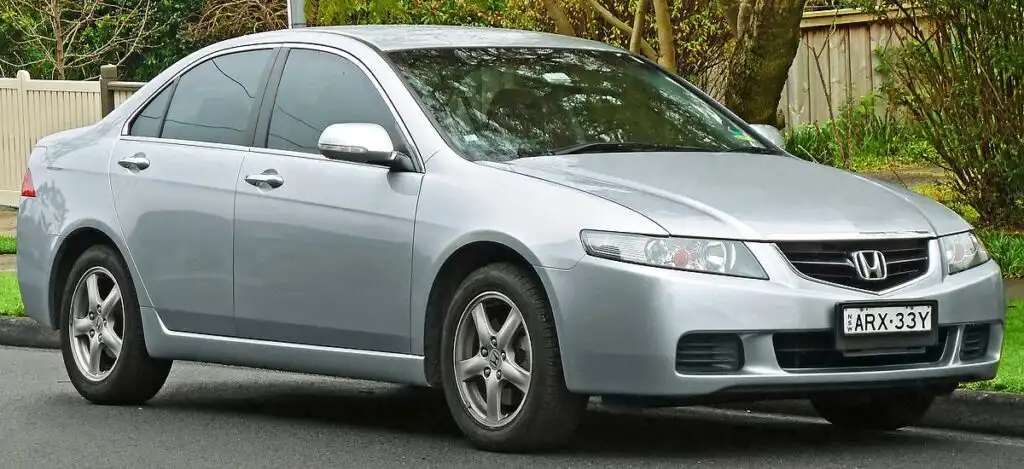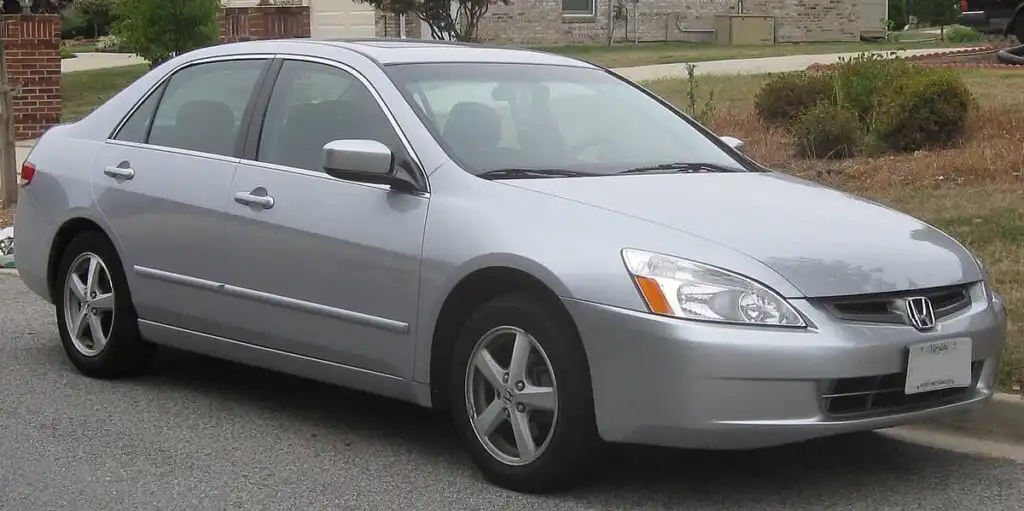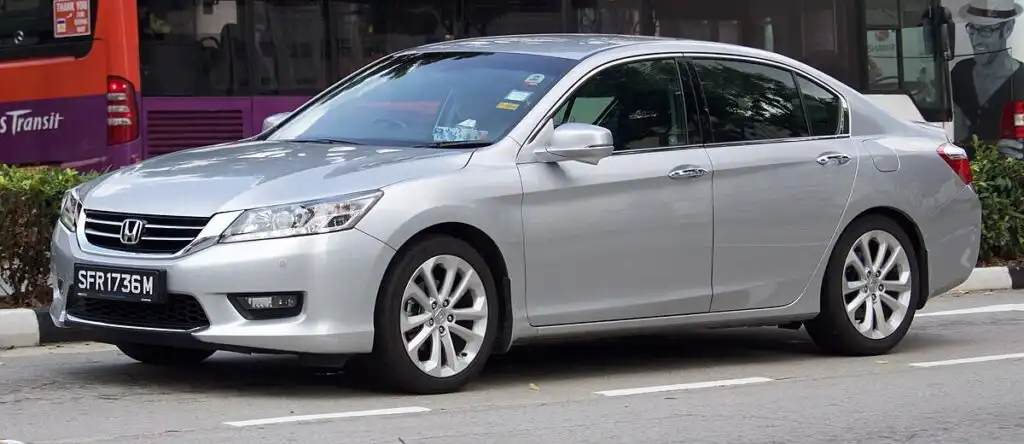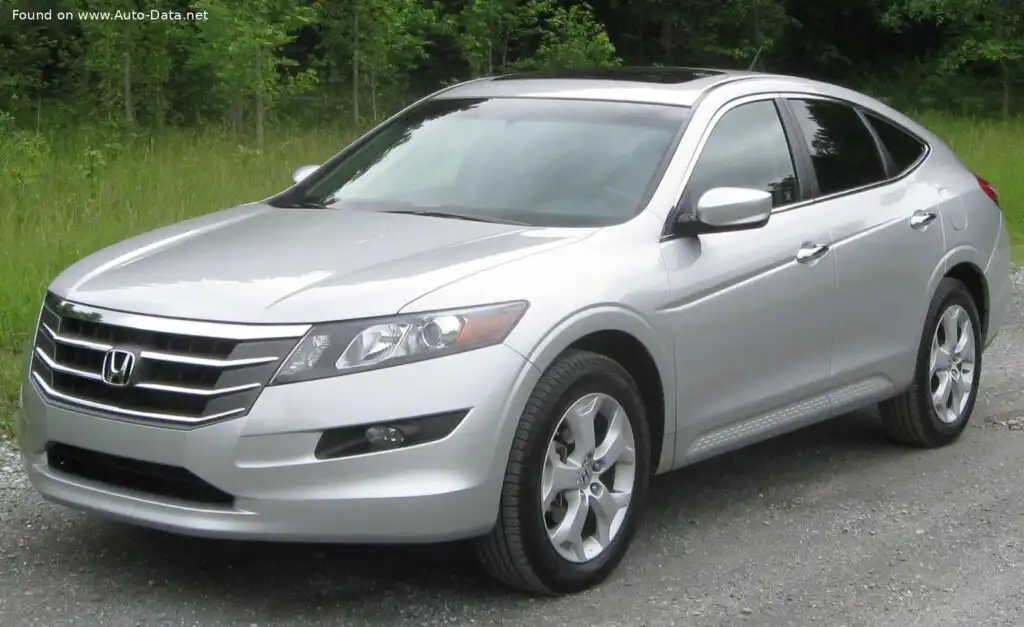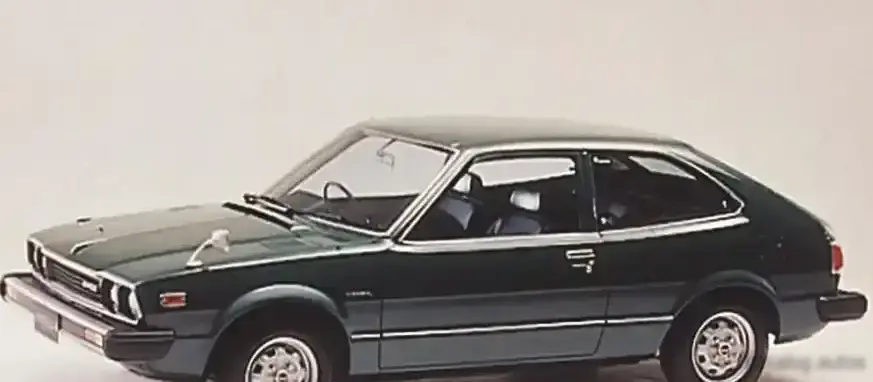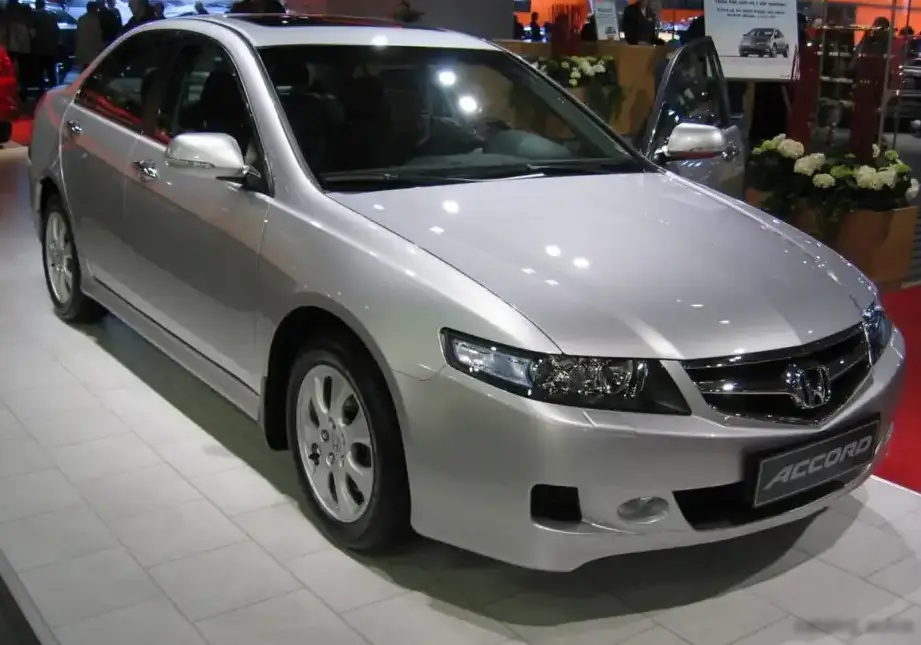
The Honda Accord VII 2.0 i-VTEC 16V Sport, produced between 2002 and 2007, represented a significant evolution in Honda’s mid-size sedan offering. Positioned as a sporty trim within the seventh-generation Accord (CG/CH chassis codes), this variant aimed to appeal to drivers seeking a balance of performance and practicality. It occupied a middle ground in the Accord lineup, offering more power and a more engaging driving experience than the base 2.0L models, but at a lower price point than the flagship V6 variants. The Accord VII was primarily marketed in Europe, Asia, and Australia, with the North American market receiving a slightly different, larger Accord model during this period.
Technical Specifications
| Brand | Honda |
| Model | Accord |
| Generation | Accord VII |
| Type (Engine) | 2.0 i-VTEC 16V Sport (155 Hp) |
| Start of production | 2002 |
| End of production | 2007 |
| Powertrain Architecture | Internal Combustion engine |
| Body type | Sedan |
| Seats | 5 |
| Doors | 4 |
| Fuel consumption (urban) | 10.7 l/100 km (22 US mpg) |
| Fuel consumption (extra urban) | 6.5 l/100 km (36.2 US mpg) |
| Fuel consumption (combined) | 7.7 l/100 km (30.5 US mpg) |
| Fuel Type | Petrol (Gasoline) |
| Acceleration 0 – 100 km/h | 9.2 sec |
| Acceleration 0 – 62 mph | 9.2 sec |
| Acceleration 0 – 60 mph | 8.7 sec |
| Maximum speed | 217 km/h (134.84 mph) |
| Weight-to-power ratio | 8.5 kg/Hp |
| Weight-to-torque ratio | 6.9 kg/Nm |
| Power | 155 Hp @ 6000 rpm |
| Torque | 190 Nm @ 4500 rpm (140.14 lb.-ft. @ 4500 rpm) |
| Engine layout | Front, Transverse |
| Engine Model/Code | K20 |
| Engine displacement | 1998 cm3 (121.93 cu. in.) |
| Number of cylinders | 4 |
| Engine configuration | Inline |
| Cylinder Bore | 86 mm (3.39 in.) |
| Piston Stroke | 86 mm (3.39 in.) |
| Compression ratio | 9.8:1 |
| Number of valves per cylinder | 4 |
| Fuel injection system | Multi-port manifold injection |
| Engine aspiration | Naturally aspirated engine |
| Valvetrain | DOHC |
| Engine oil capacity | 4.2 l (4.44 US qt | 3.7 UK qt) |
| Coolant capacity | 4.5 l (4.76 US qt | 3.96 UK qt) |
| Kerb Weight | 1320 kg (2910.1 lbs.) |
| Max. weight | 1920 kg (4232.88 lbs.) |
| Max load | 600 kg (1322.77 lbs.) |
| Trunk (boot) space – minimum | 459 l (16.21 cu. ft.) |
| Fuel tank capacity | 65 l (17.17 US gal | 14.3 UK gal) |
| Length | 4665 mm (183.66 in.) |
| Width | 1760 mm (69.29 in.) |
| Height | 1445 mm (56.89 in.) |
| Wheelbase | 2670 mm (105.12 in.) |
| Front track | 1515 mm (59.65 in.) |
| Rear track | 1510 mm (59.45 in.) |
| Drivetrain Architecture | Front wheel drive |
| Number of gears | 5 gears, manual transmission |
| Front suspension | Double wishbone |
| Rear suspension | Several levers and rods |
| Front brakes | Ventilated discs |
| Rear brakes | Disc |
| Assisting systems | ABS (Anti-lock braking system) |
| Steering type | Steering rack and pinion |
| Power steering | Hydraulic Steering |
| Tires size | 205/55 R16 |
| Wheel rims size | 16 |
Powertrain & Engine Architecture
The heart of the Accord VII 2.0 i-VTEC Sport is the K20 engine, a 1.998-liter, naturally aspirated inline-four cylinder. This engine is a member of Honda’s renowned K-series, known for its high-revving nature and efficient design. The “i-VTEC” designation signifies Honda’s Variable Valve Timing and Lift Electronic Control system. This system utilizes two camshaft profiles – one for low-speed efficiency and another for high-speed power. At lower RPMs, the engine operates with a milder cam profile, optimizing fuel economy and drivability. Above a certain threshold (typically around 4000 rpm), the i-VTEC system switches to a more aggressive cam profile, increasing valve lift and duration for enhanced performance. The K20 features multi-point fuel injection and a compression ratio of 9.8:1. The engine is transversely mounted, driving the front wheels through a five-speed manual transmission. This transmission was chosen to complement the engine’s sporty character, offering precise shifts and a direct connection to the drivetrain.
Driving Characteristics
The 2.0 i-VTEC Sport delivers a noticeably more engaging driving experience than the base Accord models. The 155 horsepower and 190 Nm (140 lb-ft) of torque provide brisk acceleration, with a 0-60 mph time of around 8.7 seconds. While not a sports car, the engine’s willingness to rev and the responsive manual transmission make it enjoyable to drive. The gear ratios are well-matched to the engine’s powerband, allowing for strong acceleration in each gear. Compared to the later, more powerful K24 engine found in some Accord variants, the K20 feels more nimble and eager to reach its redline. The suspension, while comfortable for everyday driving, is slightly firmer than the standard Accord, contributing to reduced body roll in corners.
Equipment & Trim Levels
The “Sport” trim level of the Accord VII included several features designed to enhance both aesthetics and driving experience. Standard equipment typically included alloy wheels, a sport-tuned suspension, and unique interior trim. Inside, the Sport model often featured sport seats with more aggressive bolstering, providing better support during cornering. Optional extras could include a sunroof, upgraded audio system, and climate control. The dashboard layout was functional and well-designed, with clear instrumentation and intuitive controls. Interior upholstery was typically cloth, with leather options available as an upgrade.
Chassis & Braking
The Accord VII utilized a front-engine, front-wheel-drive layout. The front suspension employed a double wishbone design, providing good handling and ride comfort. The rear suspension consisted of a multi-link setup, further enhancing stability and control. Braking duties were handled by ventilated discs at the front and solid discs at the rear. Anti-lock Braking System (ABS) was standard, providing enhanced stopping power and control in emergency situations. The steering system was a rack-and-pinion setup with hydraulic power assistance, offering precise and responsive steering feel.
Market Reception & Comparison
The Accord VII 2.0 i-VTEC Sport was generally well-received by automotive critics. It was praised for its responsive engine, engaging handling, and comfortable interior. Compared to other trims in the Accord lineup, the Sport model offered a more dynamic driving experience at a reasonable price. Fuel economy was respectable, averaging around 30.5 US mpg in combined driving. Reliability was also a strong point, as Honda had a well-established reputation for building durable and dependable vehicles. Competitors in this segment included the Ford Mondeo, Vauxhall Vectra, and Peugeot 406.
Legacy
The K20 engine in the Accord VII 2.0 i-VTEC Sport has proven to be remarkably durable and reliable over the years. Well-maintained examples continue to be found on the used car market today, often with relatively high mileage. The engine’s robust construction and Honda’s engineering expertise contribute to its longevity. While not as sought-after as some of the more iconic Honda performance models, the Accord VII 2.0 i-VTEC Sport remains a popular choice for drivers seeking a practical, reliable, and enjoyable mid-size sedan. Its blend of performance, fuel efficiency, and affordability has ensured its place as a respected member of the Accord family.